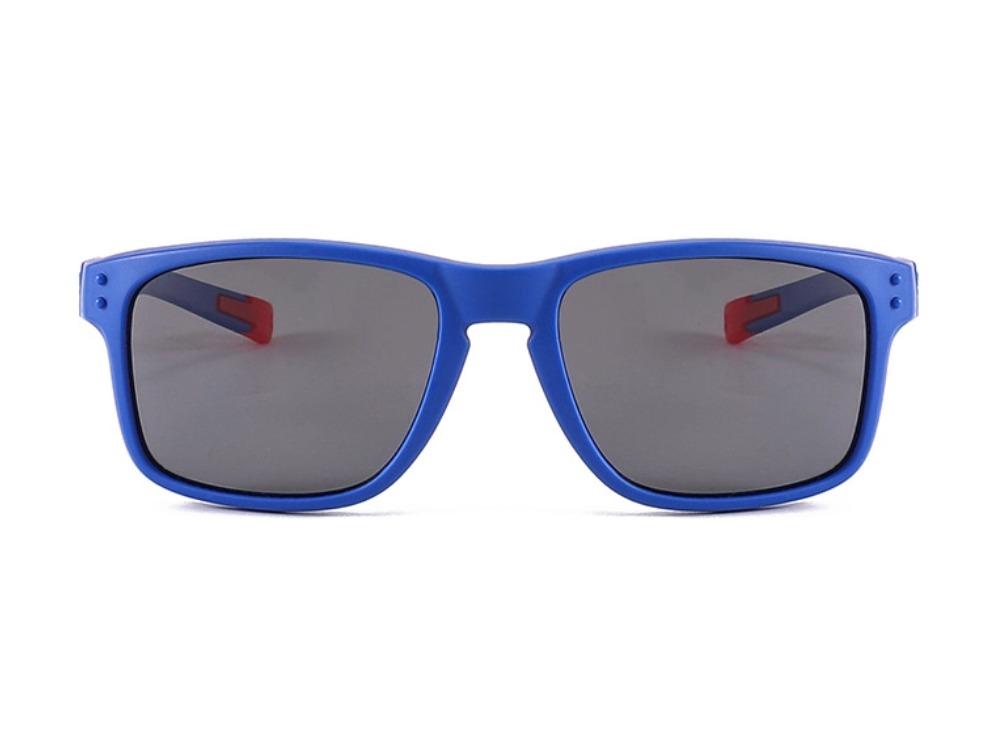
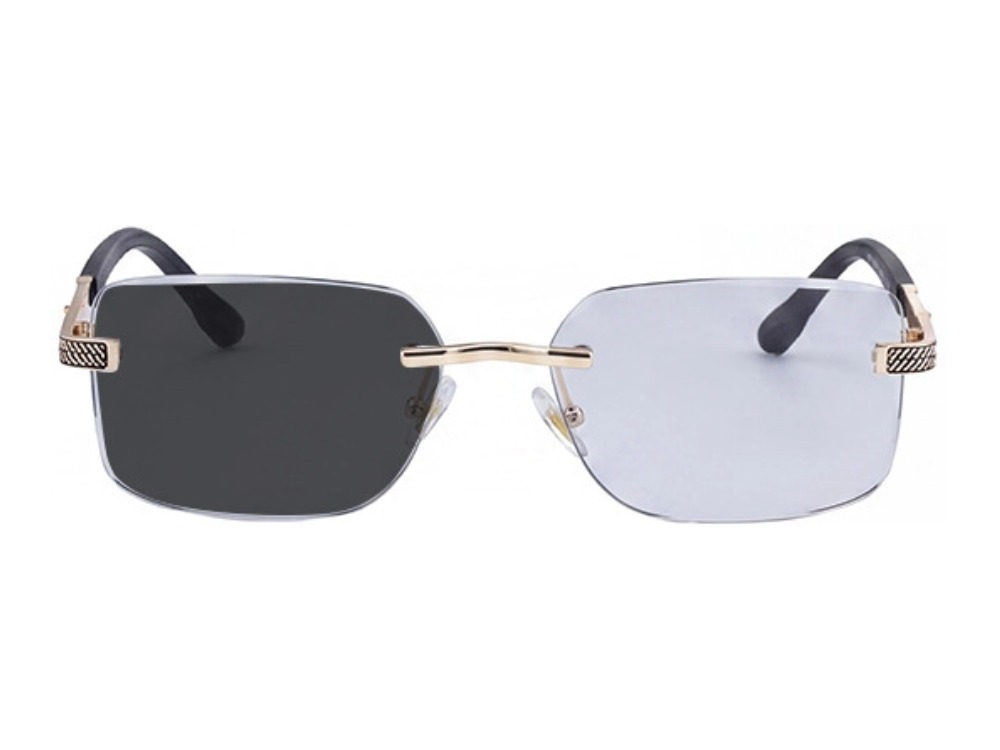
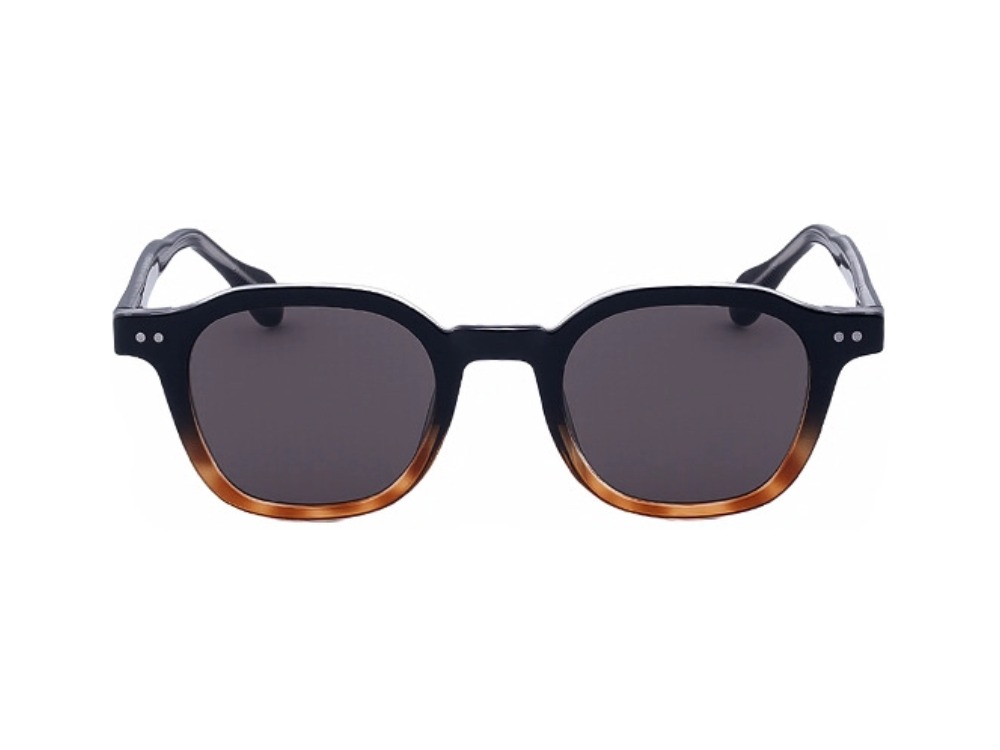
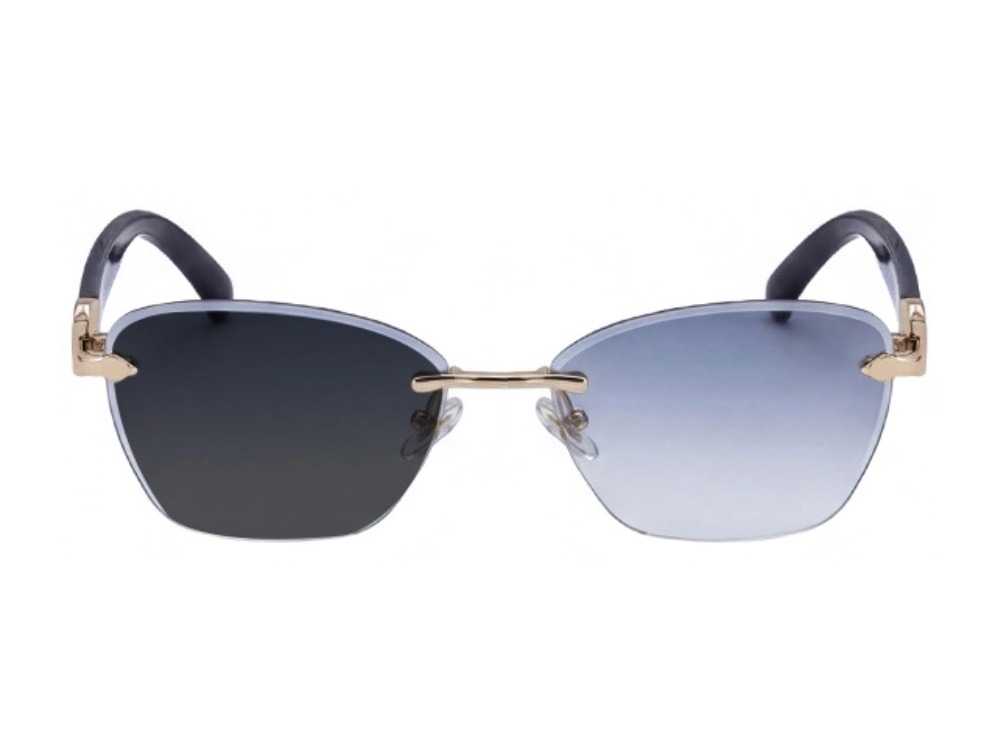
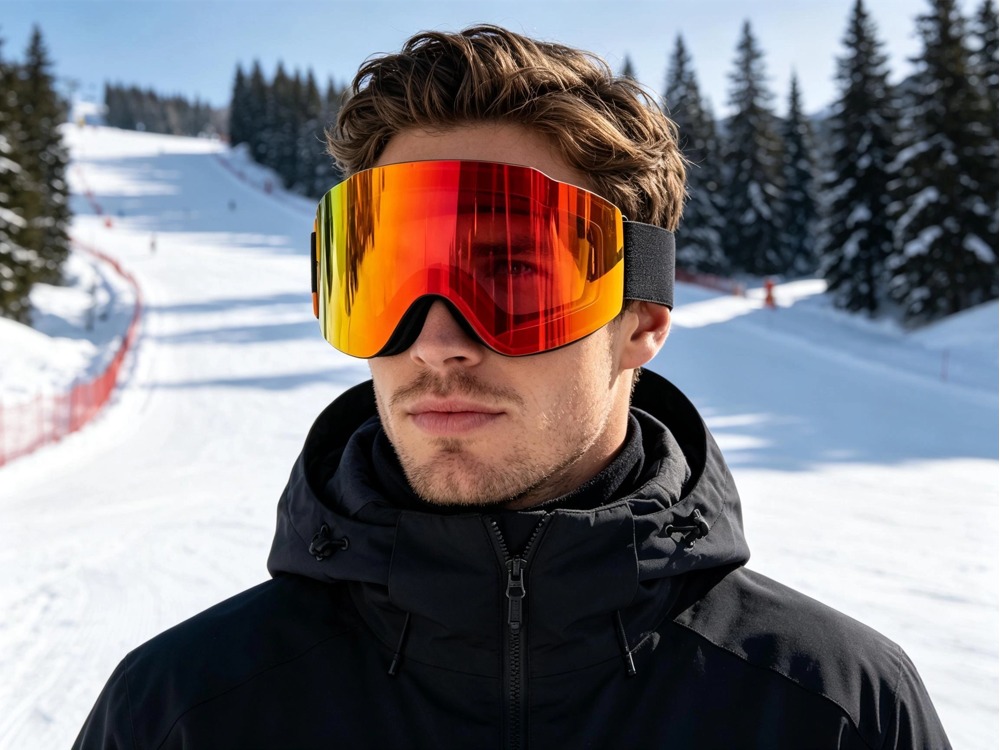
Fixed tint ski goggles have a permanent, set lens tint with a fixed visible light transmission (VLT) rating, built for specific light conditions. Photochromic ski goggles use UV-reactive lens material that automatically darkens in bright sunlight and lightens in overcast or low light, adapting to shifting conditions on the mountain.
Key Side-by-Side Comparison
Optical performance & scene fit
Fixed tint lenses deliver consistent, optimized clarity for their intended light level. Dark low-VLT tints excel at cutting glare on bright sunny days; light high-VLT tints boost contrast for cloudy days and night skiing. Each performs perfectly within its target range, but only works well in that narrow band.
Photochromic lenses cover a wide VLT range (typically S1 to S3), adapting smoothly from overcast to sunny conditions. They work well for variable weather, but do not reach the extreme darkness of dedicated sunny lenses or the full clarity of dedicated low-light lenses. Most are not suitable for night skiing.
Cold weather reliability
Fixed tint lenses perform consistently regardless of temperature, with zero delay or shift in performance even in extreme cold. Standard photochromic lenses slow down significantly in freezing temperatures, taking much longer to transition between light and dark states. High-end optimized models perform better, but still react slower than at room temperature.
Convenience
Fixed tint goggles require carrying and swapping spare lenses for changing light, which is inconvenient mid-session. Photochromic goggles eliminate the need for extra lenses. They adjust automatically as light shifts, making them ideal for long variable days and light packers.
Cost
Fixed tint goggles have a lower upfront price for a single lens. Buying multiple spare tints adds up over time. Photochromic goggles cost more upfront, but replace the need for 2–3 separate lenses for most casual skiing.
Quick Buying Guide
Choose fixed tint goggles if you ski in consistent light conditions, want maximum contrast and glare control for specific weather, ski at night, or are on a tight budget for a single use case.
Choose photochromic goggles if you ski in variable, frequently changing weather, want one pair for all-day use without swapping lenses, and mostly ski during daytime hours.
Final Takeaway
Fixed tint goggles deliver the best optical performance for specific light conditions. Photochromic goggles offer unmatched all-around convenience for variable mountain weather. Pick based on how consistent your skiing conditions are and how much you value convenience over peak single-scene clarity.