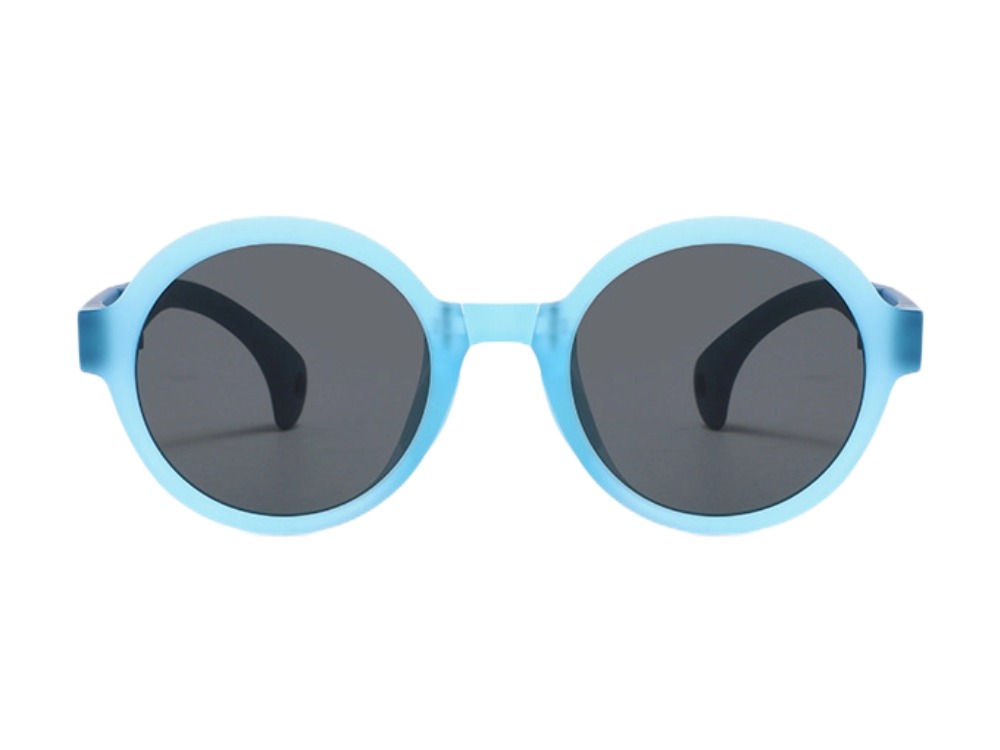
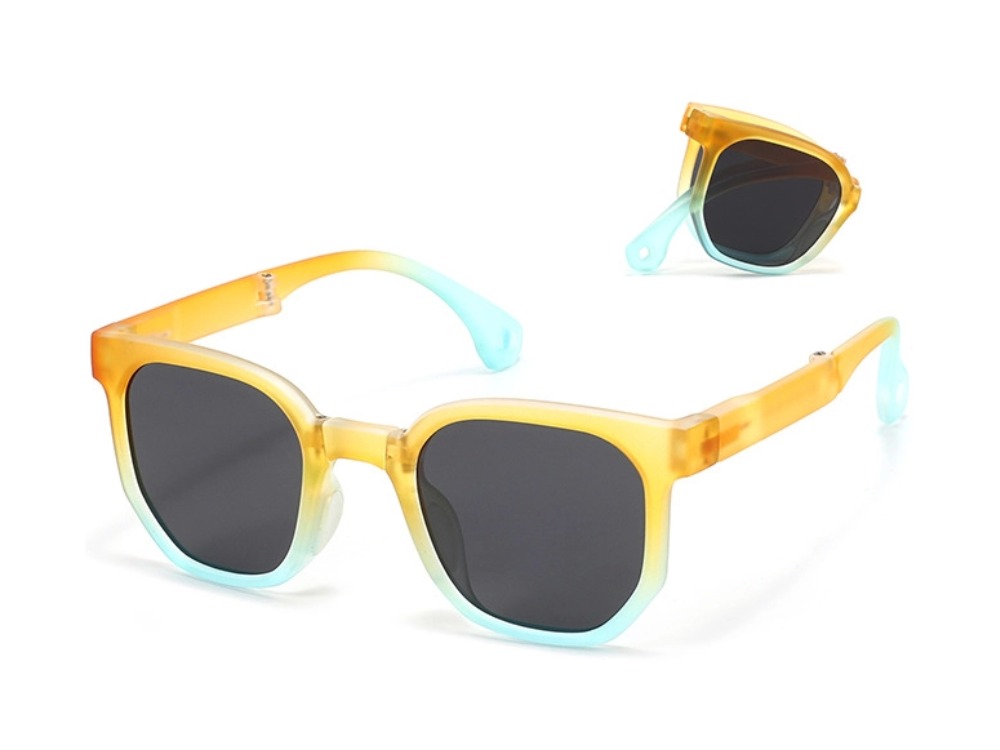
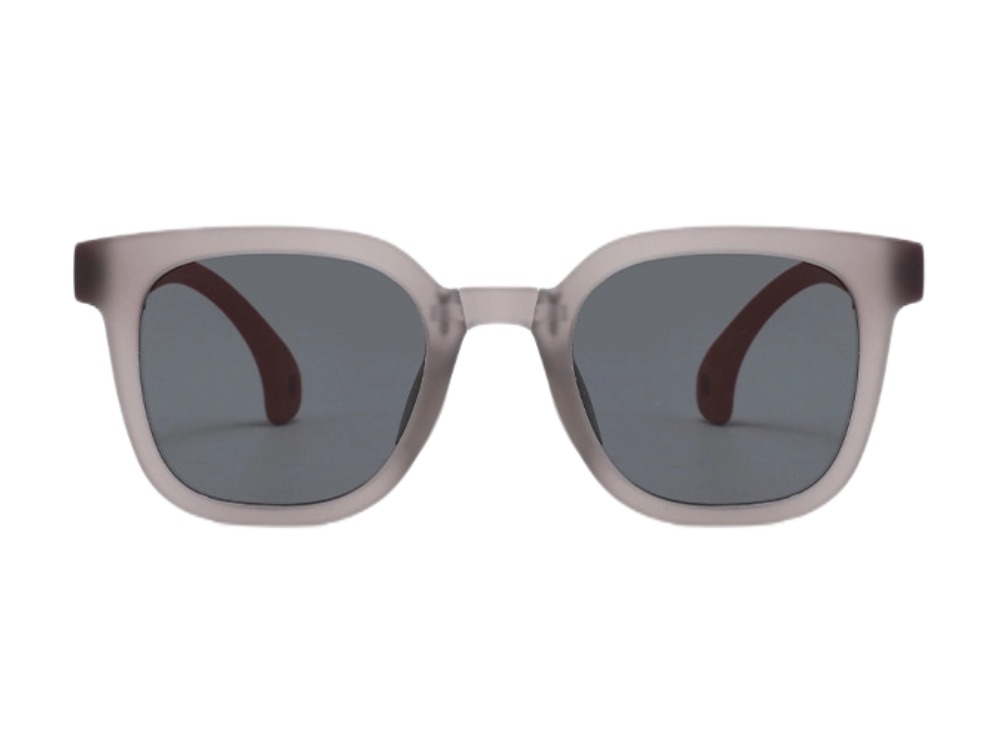
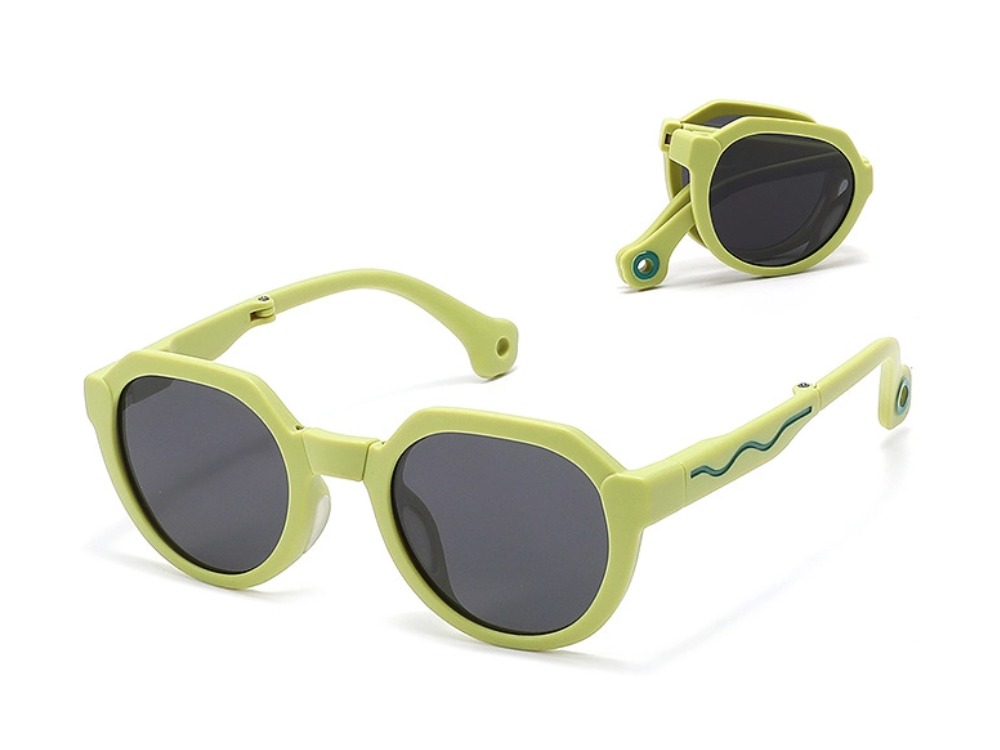
Children are able to wear progressive lenses, yet they are not a standard option. Such lenses are only prescribed for specific eye conditions and visual needs, not for common simple vision correction.
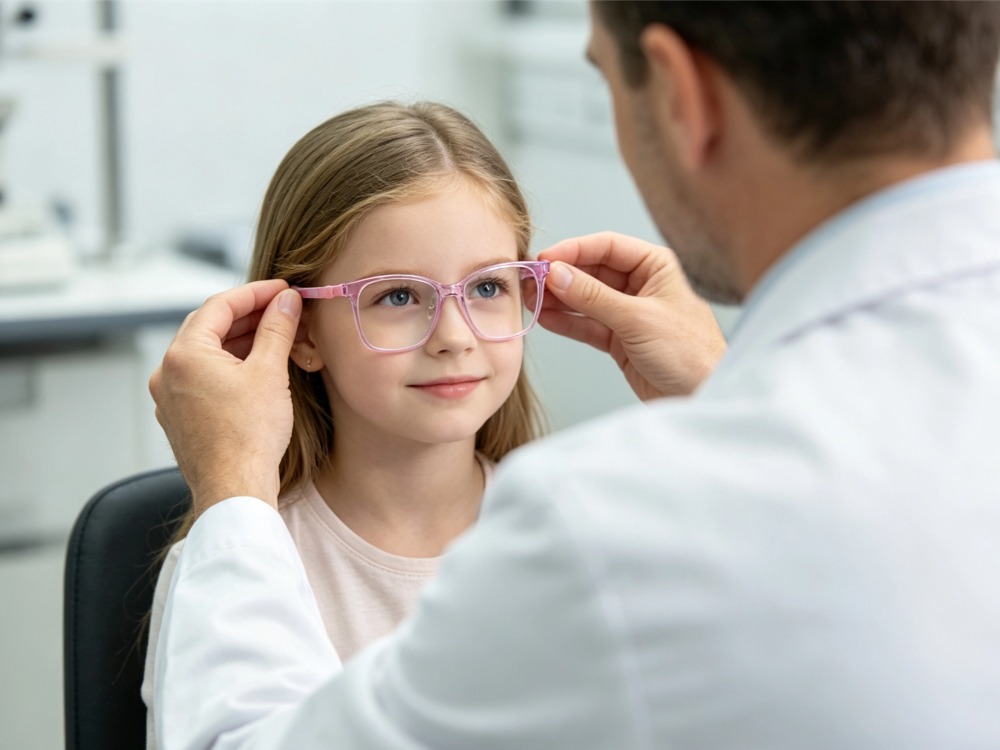
Suitable Scenarios
- Accommodative dysfunction
Children with poor eye focusing function often suffer from eye strain, blurred near vision and reading difficulties. Progressive lenses reduce the burden on eye accommodation and relieve discomfort. - Myopia control
Specially designed kids’ progressive lenses serve as a professional intervention to slow myopia progression by optimizing peripheral vision. - Complex refractive errors
In rare cases of premature presbyopia or combined refractive problems, progressive lenses are applied to achieve full-range vision correction.
Unsuitable Scenarios
For most children with simple myopia or hyperopia, single vision lenses remain the optimal choice. Progressive lenses feature divided optical zones. Kids with normal eye function may struggle to adapt, and prolonged wear may interfere with natural eye development and visual habits.
Key Notes
- Professional eye examination is mandatory
Have your child examined by a pediatric eye specialist before prescription. Never select progressive lenses arbitrarily. - Adaptation period
It generally takes 1 to 2 weeks for children to adapt to the segmented vision. Proper guidance from parents is needed during this period. - Standardized wearing posture
The glasses must be worn in the correct position to keep the optical centers aligned with pupils, otherwise the correction effect will be compromised.
Final Advice
Choose single vision lenses for children with simple myopia or hyperopia. Opt for progressive lenses only when recommended by eye professionals for vision correction or vision management.