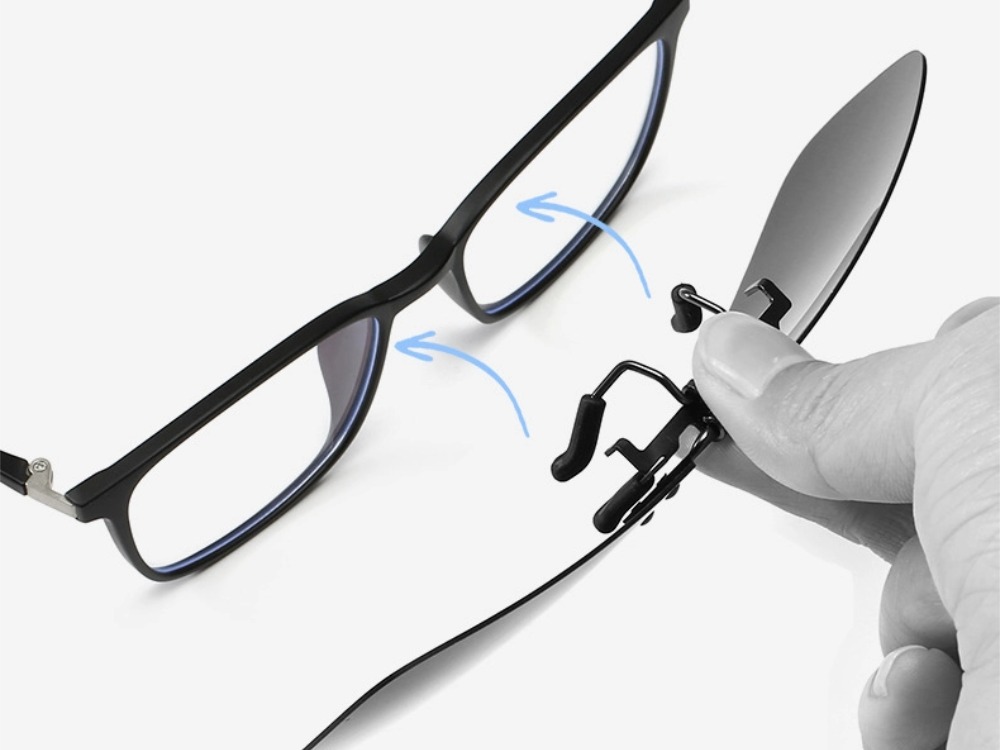
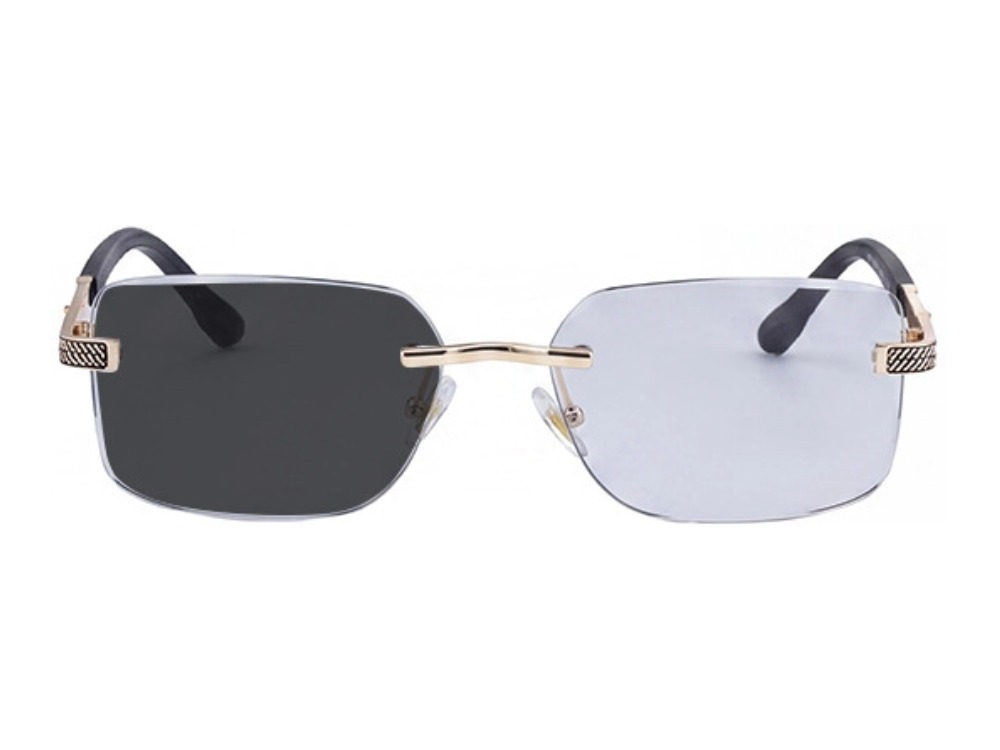
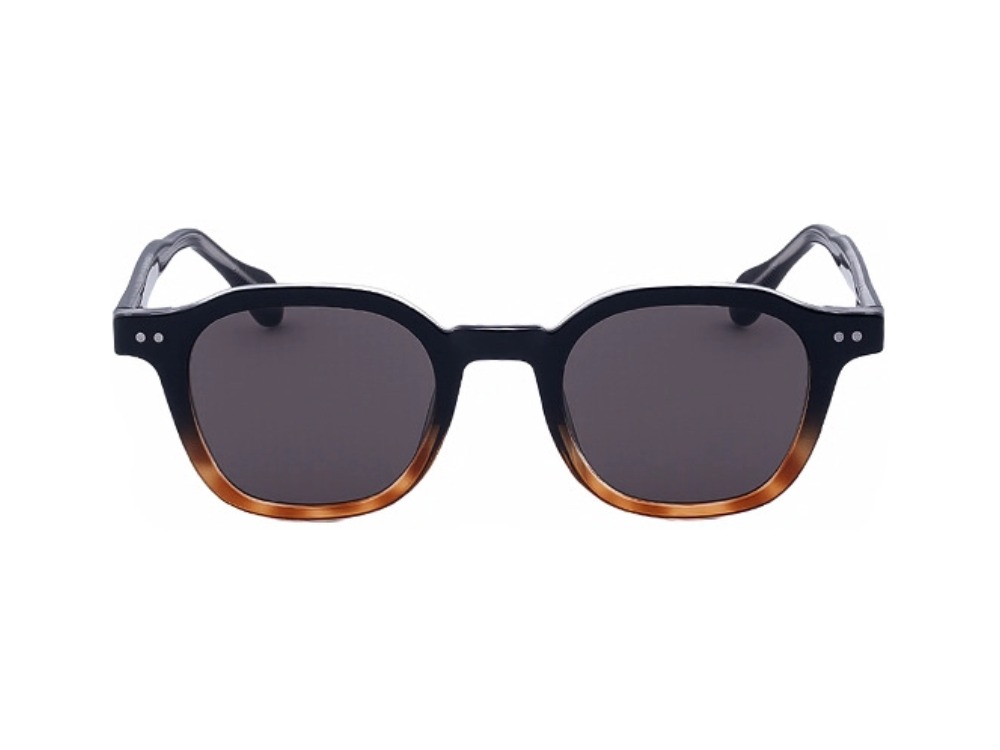
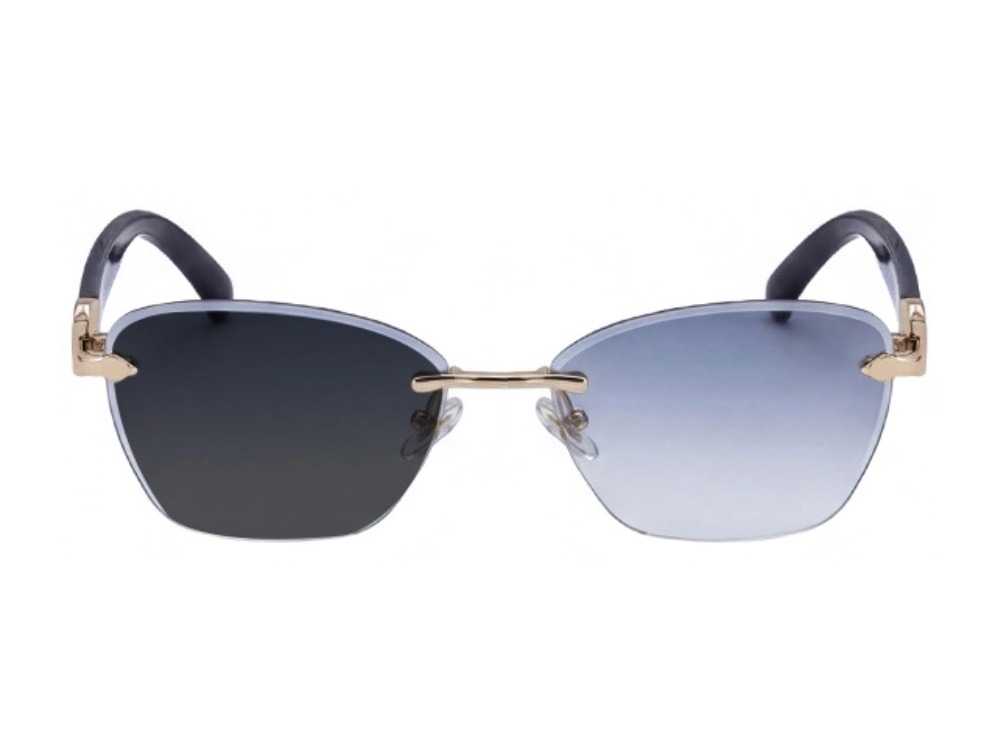
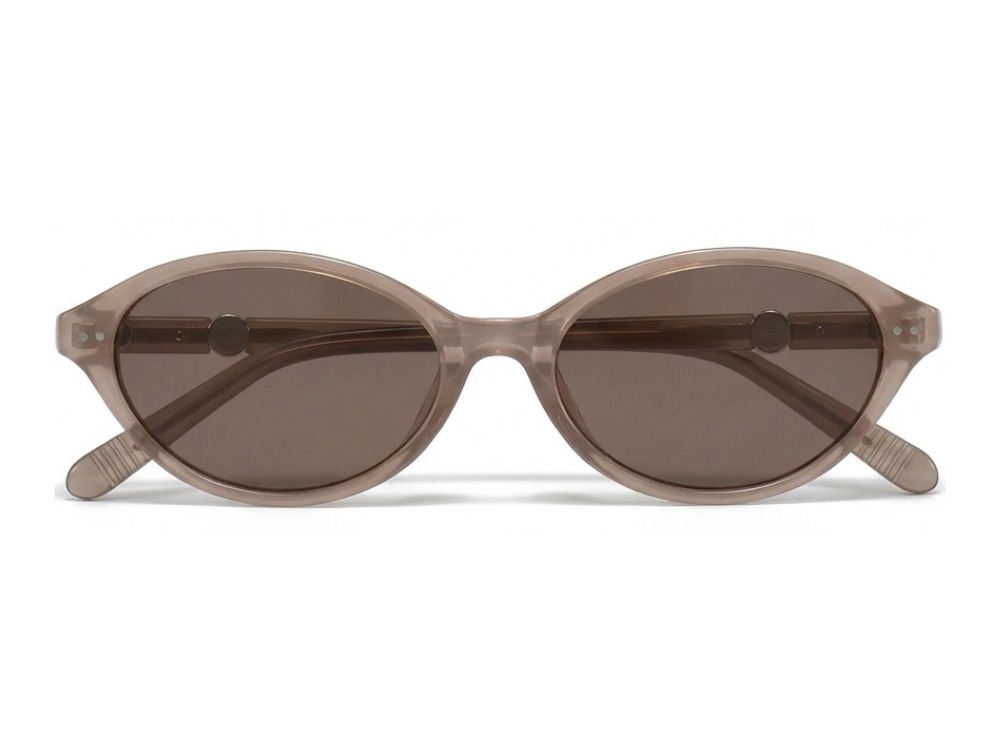
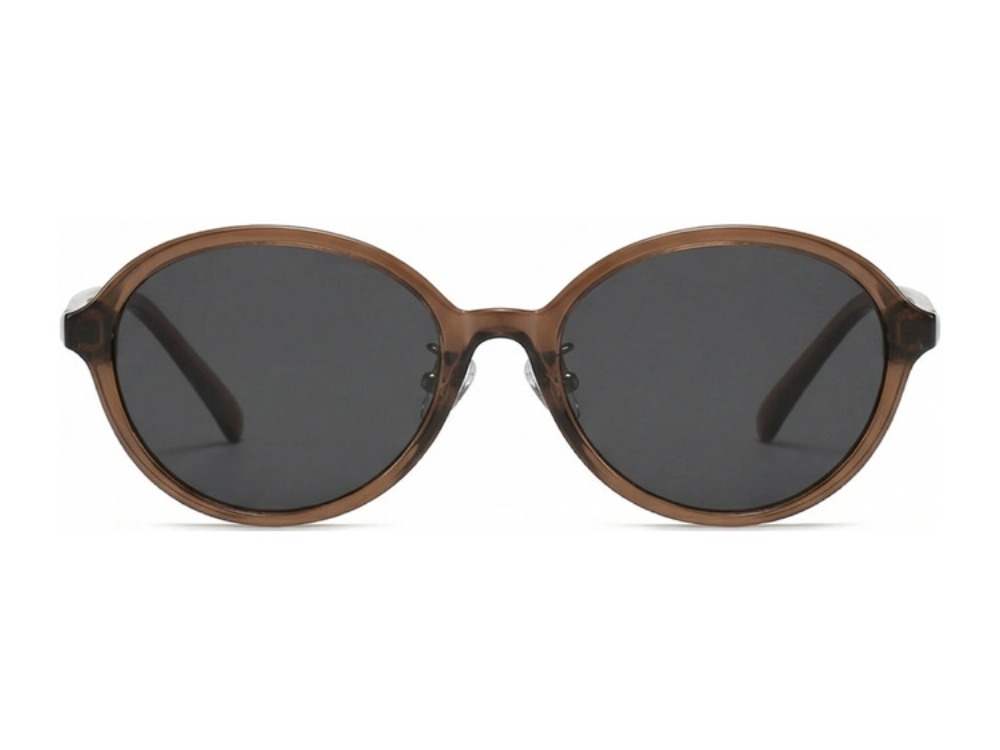
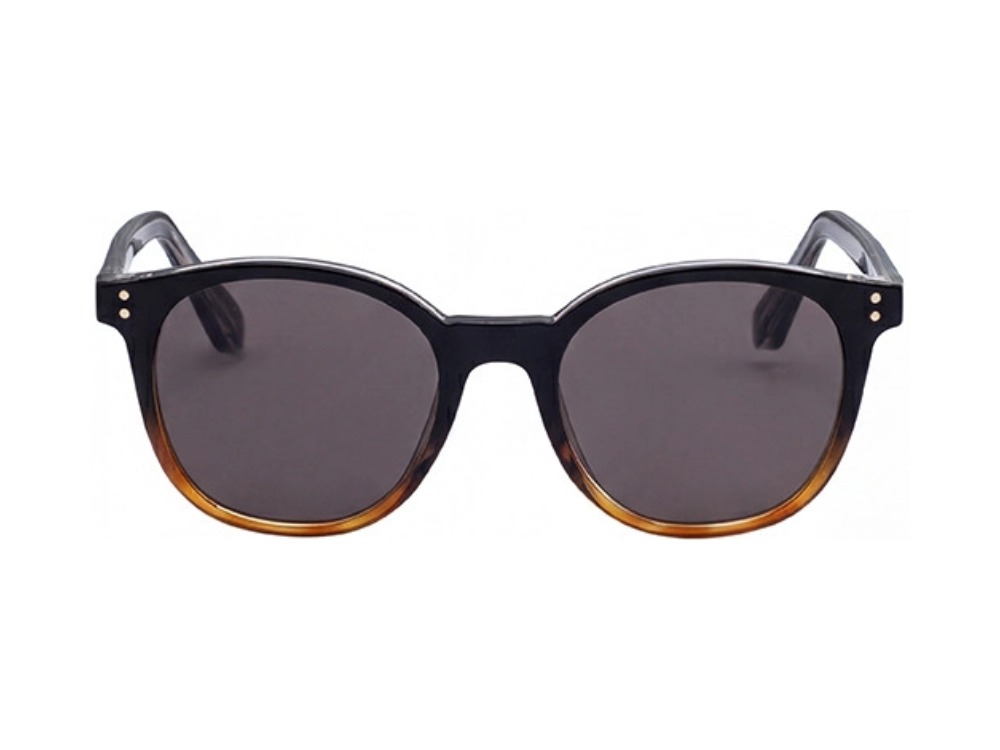

Single vision lenses carry one uniform prescription across the entire surface, correcting vision for only one viewing distance — either distance or near. Progressive lenses feature a smooth power gradient from top to bottom, combining distance, intermediate (computer) and near vision in one pair, with no visible dividing line like traditional bifocals.
Who Each Fits Best
- Choose single vision if you are under 40 with stable vision, only need correction for one distance, prioritize edge-to-edge clarity for sports/driving, or have a limited budget.
- Choose progressive lenses if you are 40+ with presbyopia, need clear vision at multiple distances, are tired of switching between distance and reading glasses, or prefer a discreet, line-free appearance.
Key Comparison
Visual quality: Single vision delivers distortion-free, consistent clarity across the whole lens, with no peripheral blur. Progressives offer sharp vision through the central vertical corridor, with mild soft focus at the edges as an inherent design tradeoff.
Adaptation: Single vision requires virtually no learning curve — most people see clearly immediately. Progressives take 7–14 days to fully adapt to, as you learn to use head movement instead of only eye movement to focus.
Cost: Single vision has a lower upfront cost. Progressives have a higher price point, but can replace 2–3 separate pairs of glasses for better long-term value.
Quick Decision Checklist
Pick single vision if:
- You only have trouble seeing far away or up close, not both
- You need zero distortion for active use or driving
- You want the most affordable option
Pick progressives if:
- You struggle with both distance and near vision as you age
- You find switching between multiple pairs of glasses inconvenient
- You don’t mind a short adjustment period for long-term convenience
Final Takeaway
There is no universally better option. Single vision is the simplest, most reliable choice for single-distance correction. Progressives offer unmatched all-in-one convenience for people with presbyopia. For a personalized recommendation, discuss your daily routine and prescription with your eye care provider.