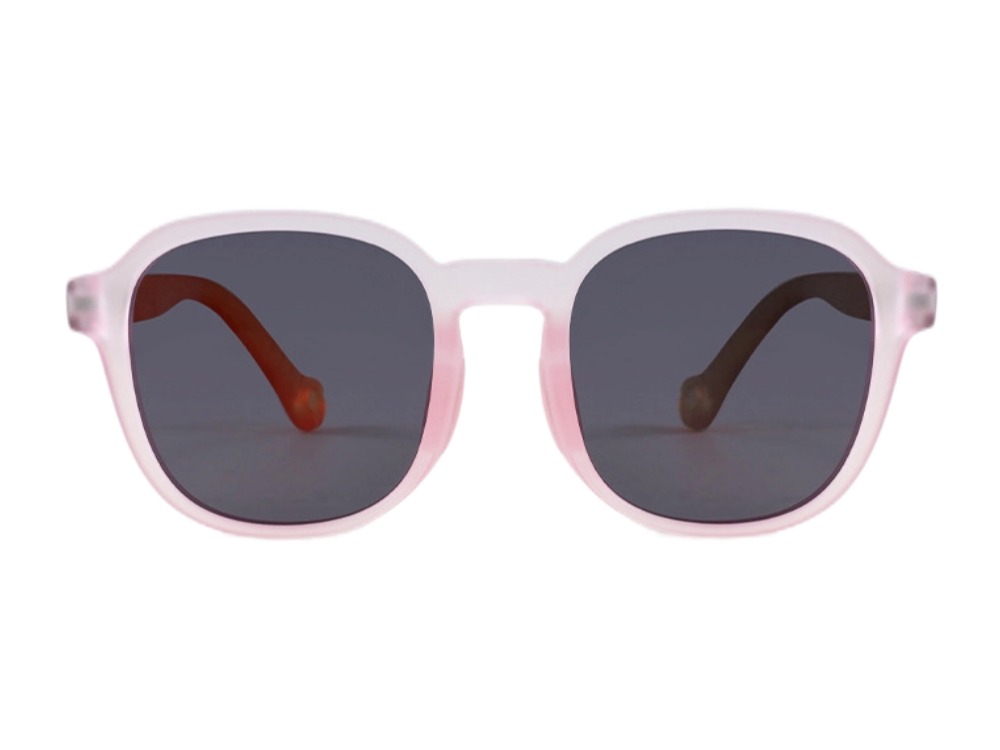
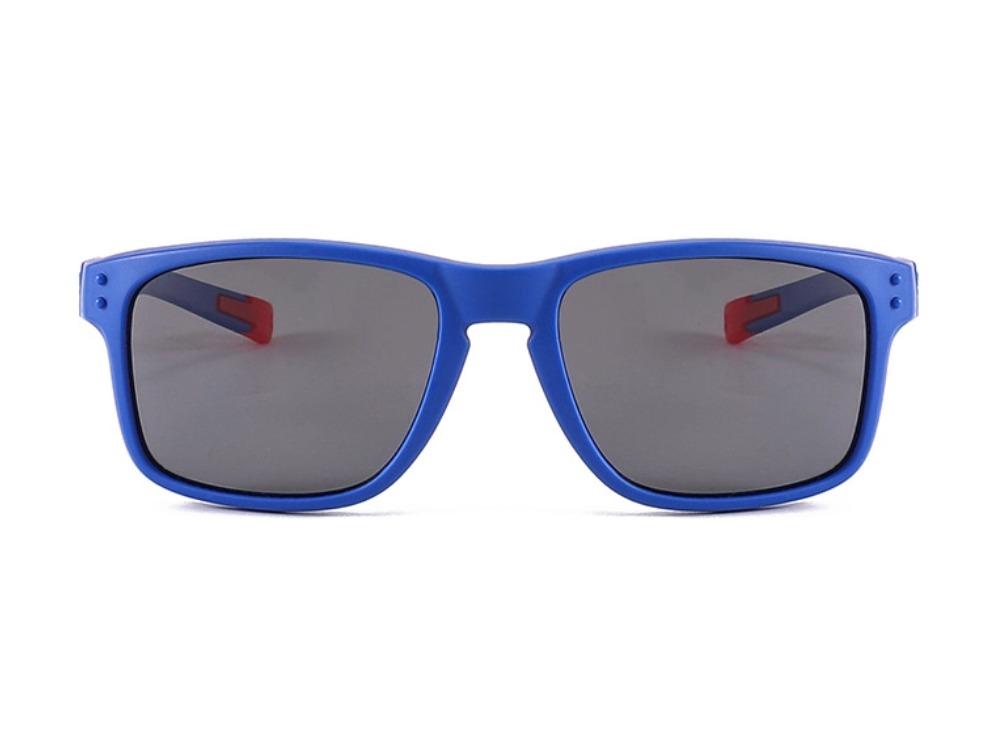
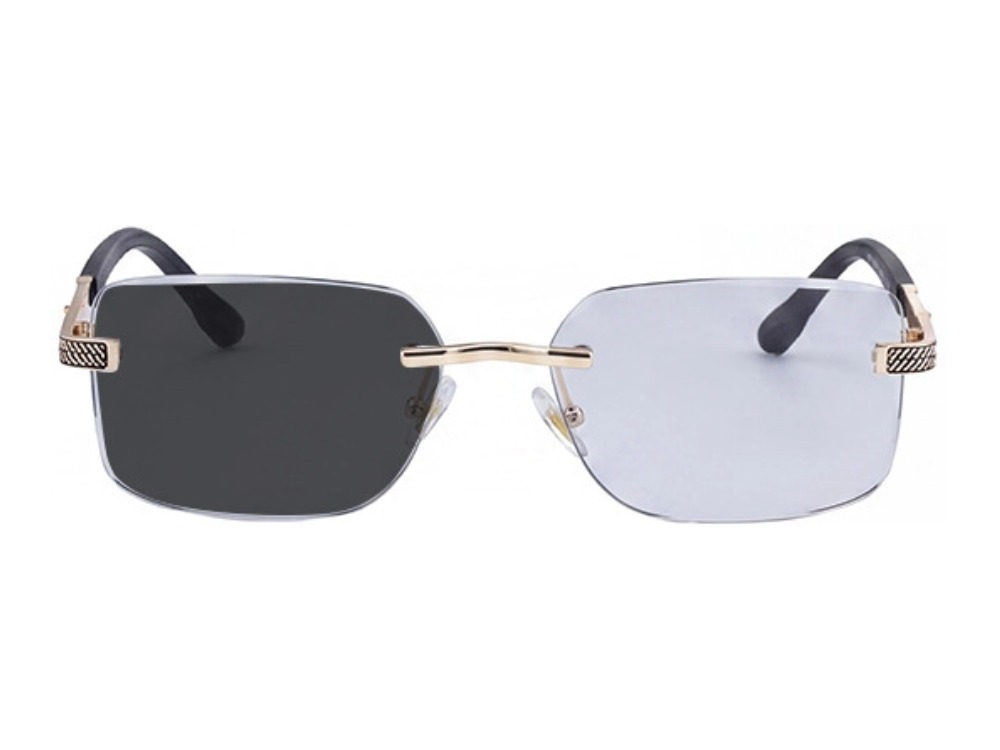
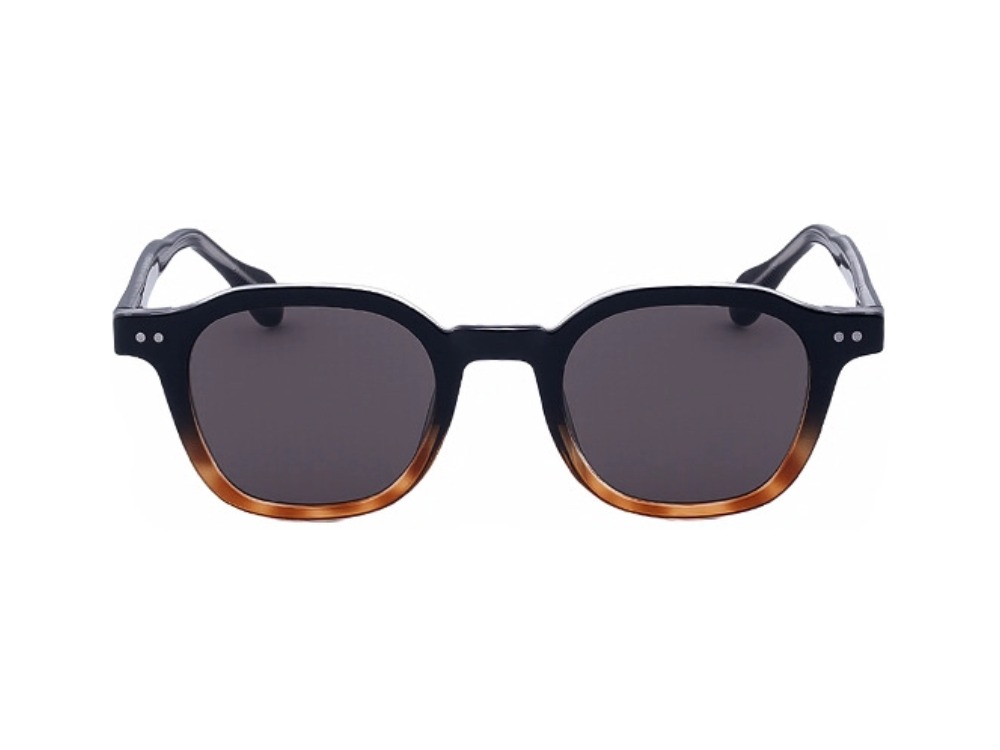
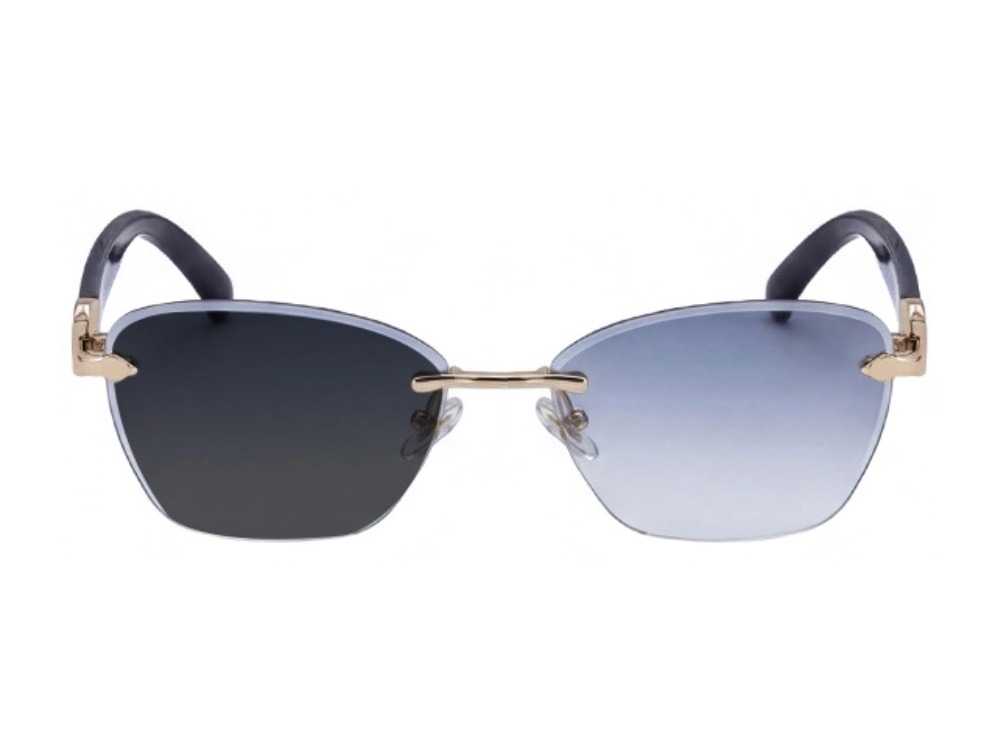
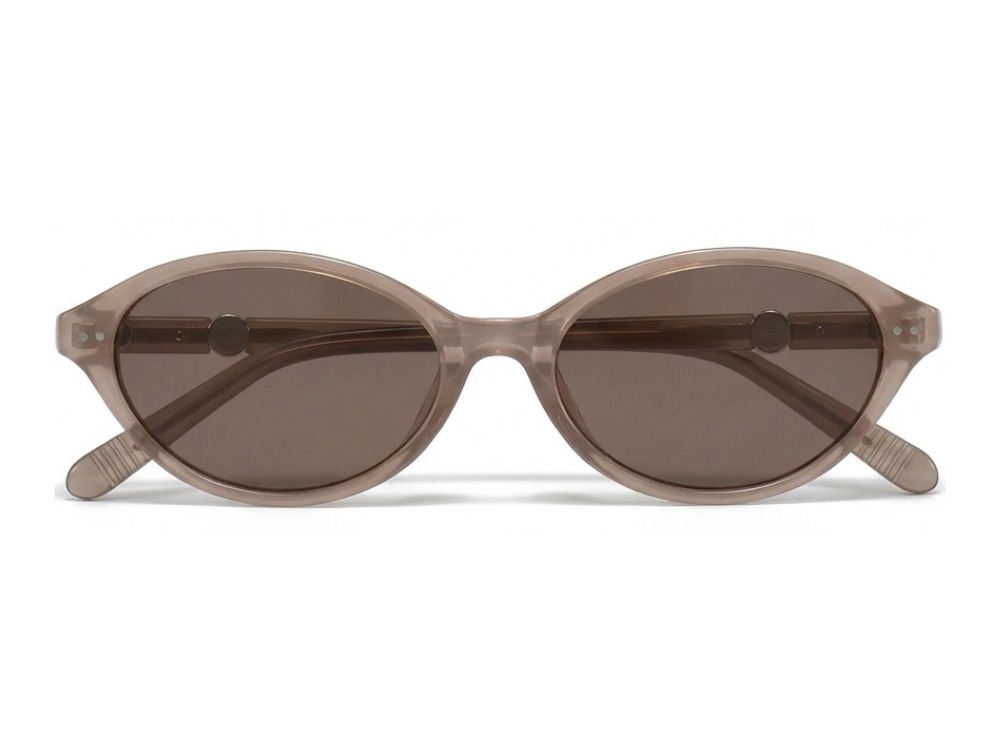
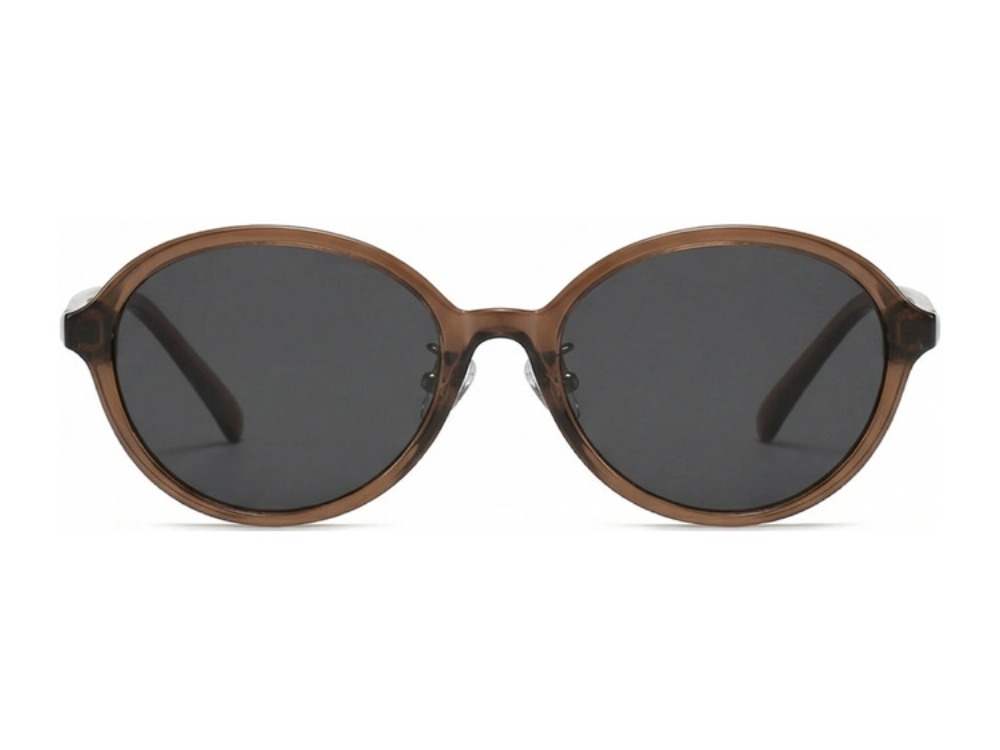
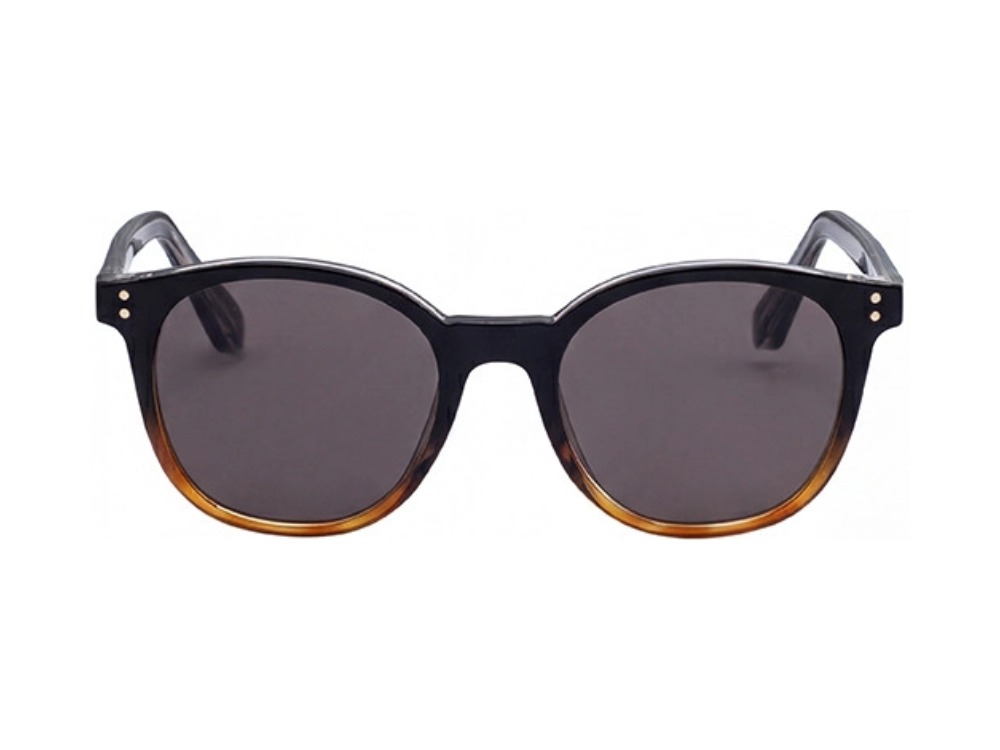
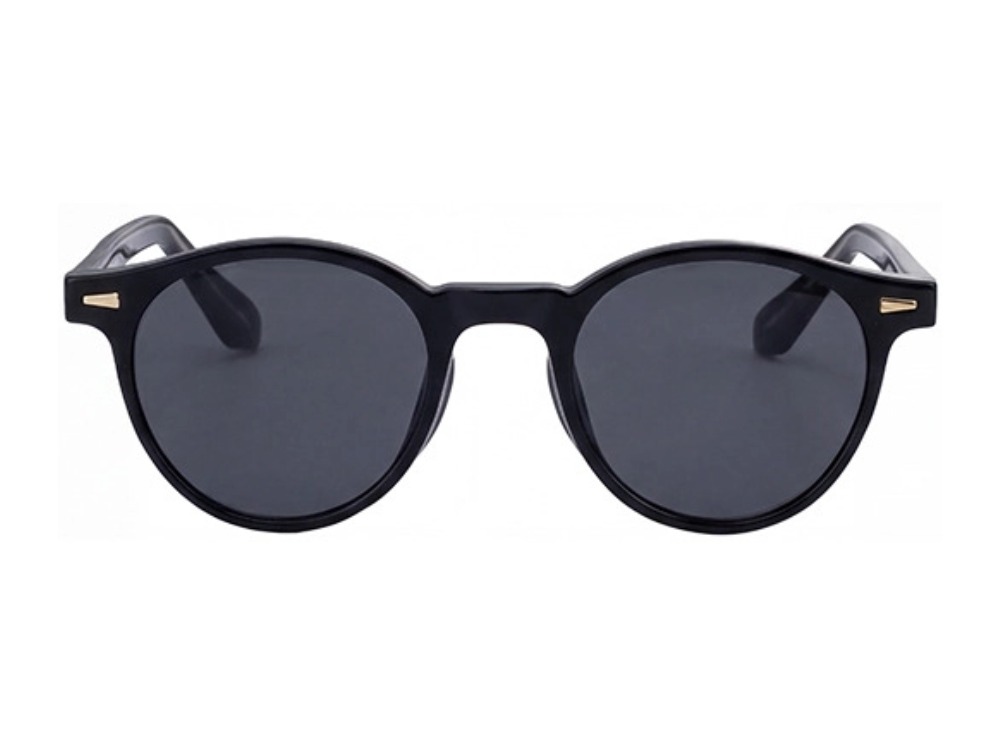
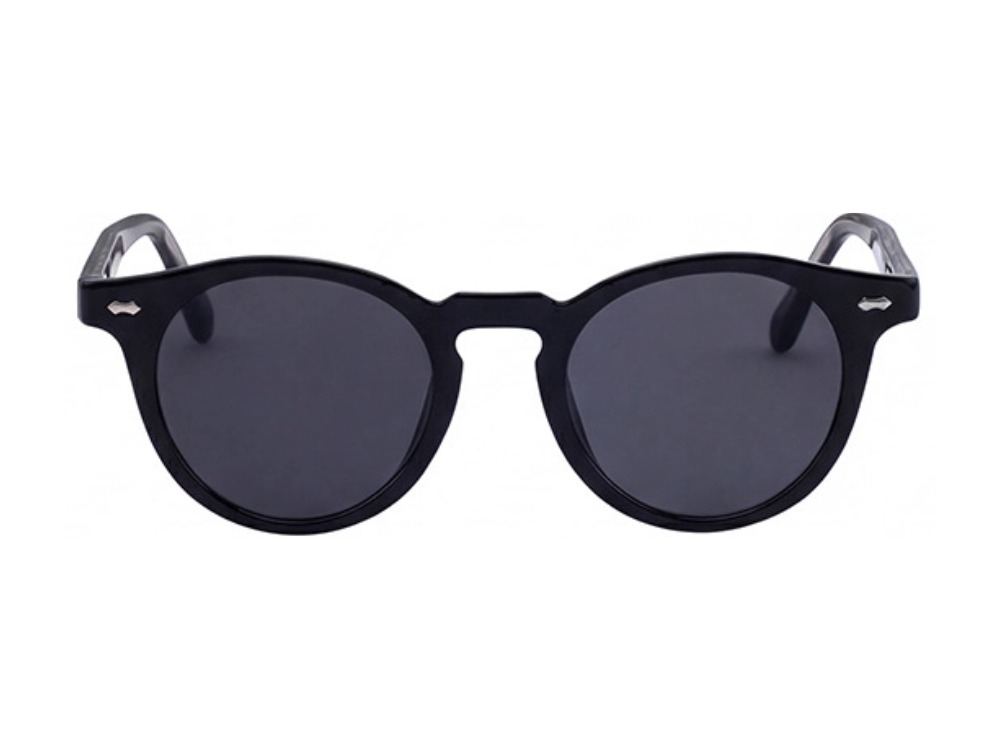
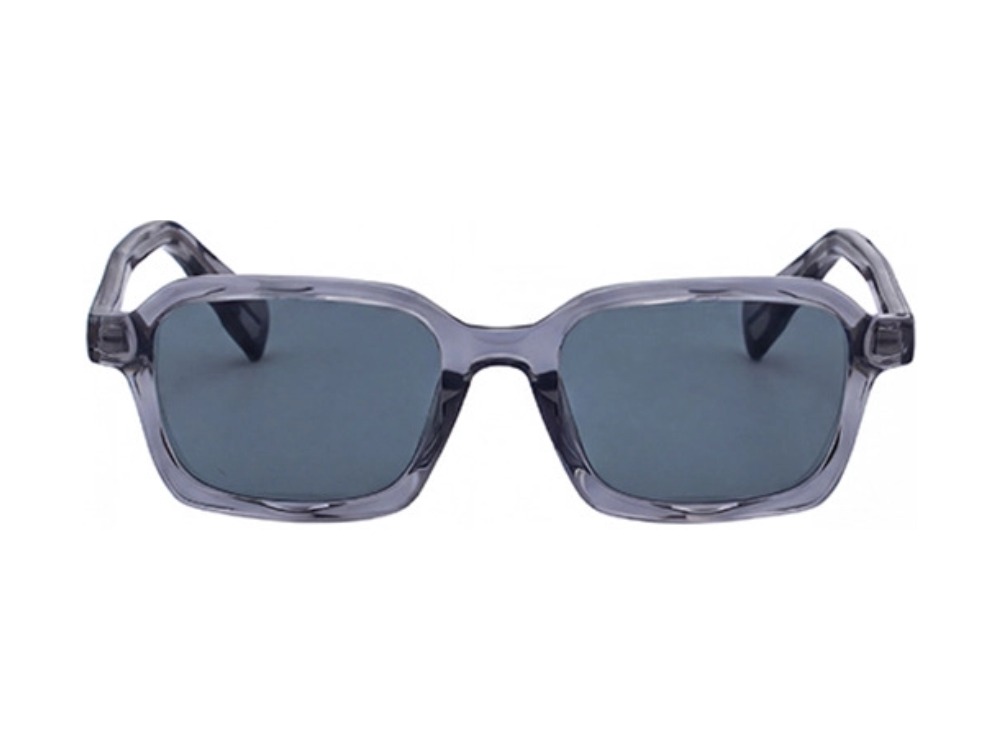
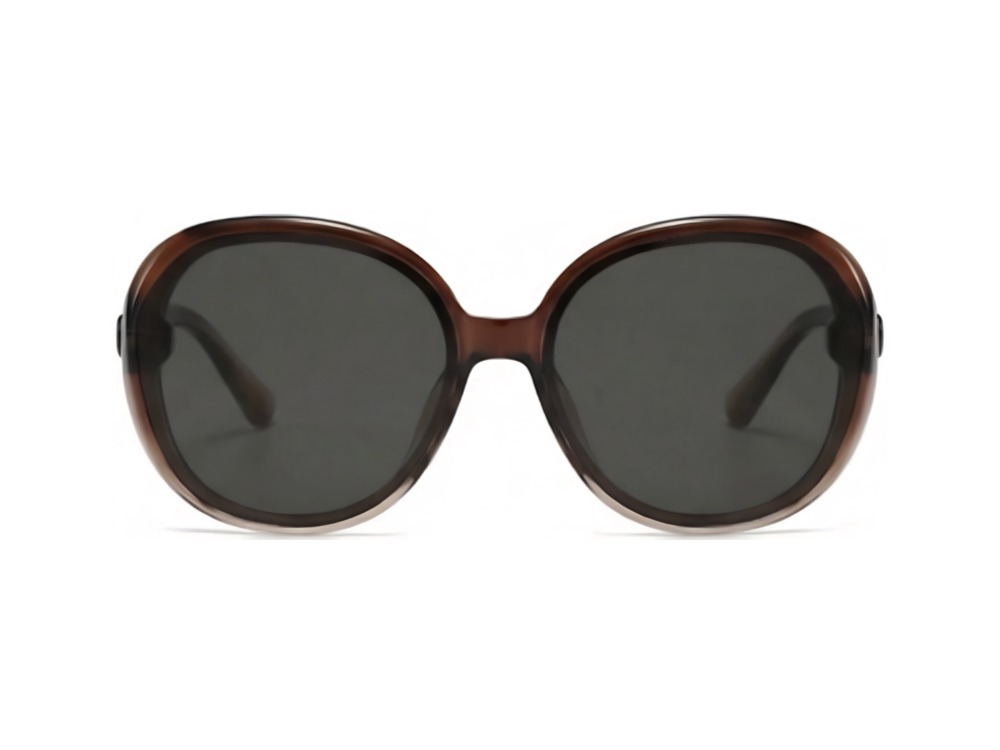
Glare from wet roads, car windows, and puddles can blind you for a second. Polarized lenses eliminate that glare but also hide hazards like ice and oil. Non‑polarized lenses show you every warning but leave you squinting in bright sun. Which keeps you safer? Here are five direct comparisons with enough detail to decide.
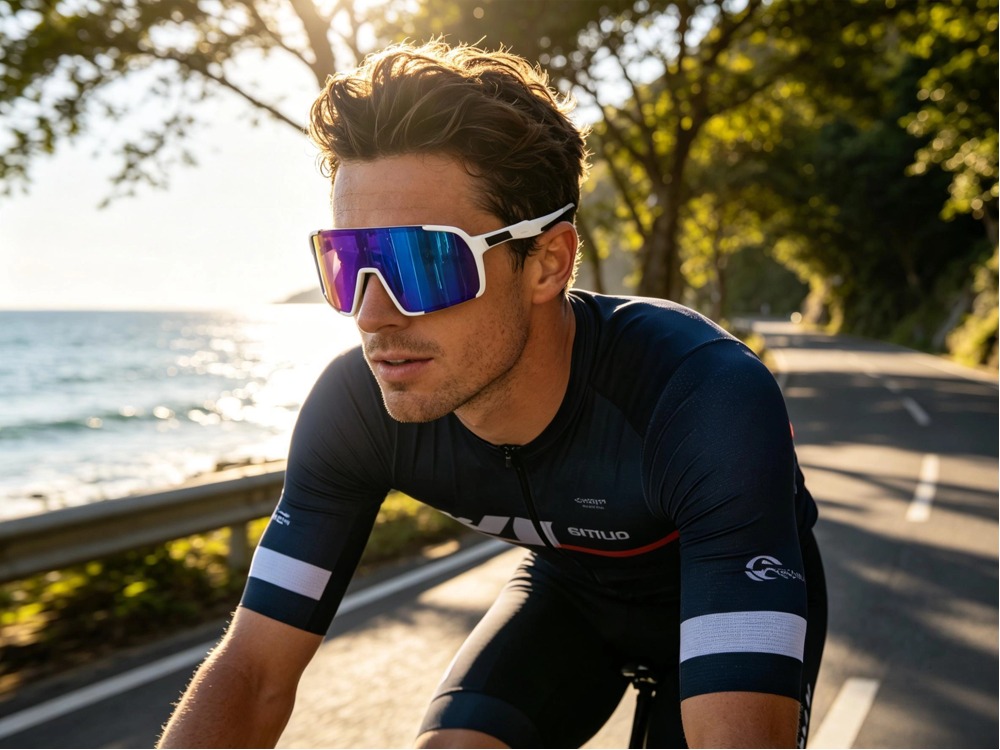
Glare and eye comfort
Polarized – ✅ Blocks horizontal reflected light completely. On a sunny day, the road no longer looks like a mirror. Your eyes stay relaxed for hours, reducing fatigue on long rides. This is polarized’s biggest strength.
Non‑polarized – ⚠️ Only reduces overall brightness, including glare. The road is darker, but reflections from car windshields and wet asphalt still sting your eyes. You will squint more and feel eye strain sooner.
Winner for comfort: Polarized. If you ride mostly on dry, bright days, you will love it.
Seeing wet roads, ice, and oil patches
Polarized – ❌ Removes the reflective shine from water, ice, and oil. Wet asphalt looks misleadingly dry. Black ice becomes nearly invisible because its only clue is a glassy reflection. Oil patches lose their rainbow warning. You might ride straight into a slippery surface without knowing.
Non‑polarized – ✅ Preserves every reflection. You see the bright sheen of a wet road, the glossy look of black ice, and the rainbow shimmer of an oil spill. These reflections are your eyes’ natural warning system. When you see them, you slow down.
Winner for hazard detection: Non‑polarized. This is the single biggest safety difference.
Reading your bike computer or gps
Polarized – ❌ Many bike computers and GPS units use LCD screens. When you tilt your head or glance down at certain angles, a polarized lens can make the screen go completely black or display rainbow patterns. At 30 km/h, losing your display for even one second can mean missing a turn or a steep climb warning.
Non‑polarized – ✅ No screen interference at all. The display is simply dimmed evenly, but every number and map detail stays readable. If you rely on navigation, heart rate, or power data, this is critical.
Winner for screen visibility: Non‑polarized. Safe, reliable, and no surprises.
Light transitions (tree tunnels, shade, forests)
Polarized – ⚠️ A polarized lens reduces about 10‑15% more light than a non‑polarized lens with the same tint. That extra darkness is fine on an open road, but when you suddenly enter a forest tunnel or a patch of deep shade, the transition feels harsher. For a split second, you may not see a root, rock, or pothole hiding in the shadows.
Non‑polarized – ✅ Same tint lets in slightly more light, so the transition from sun to shade is less abrupt. Your eyes adapt faster, and you maintain better awareness of the trail ahead.
Winner for mixed light: Non‑polarized (moderate advantage). The difference is small but real on tree‑lined routes.
Which is safer for your type of riding?
- Dry, sunny roads only – Polarized is safe and very comfortable. Glare reduction helps you spot cracks and debris. Just be extra cautious if you cross any wet sections.
- Wet or mixed weather – Non‑polarized is safer. You need to see water and oil warnings on the road. Polarized hides them.
- Mountain biking (trail, forest, roots) – Non‑polarized is safer. Rapid shade changes and wet roots demand clear, uninterrupted vision.
- City commuting – Non‑polarized is safer. Wet roads are common. You also need to read car turn signals, traffic lights, and often your phone mounted on the handlebar.
- Winter cycling (ice, snow) – Non‑polarized is much safer. Ice reflections are your only warning. Polarized makes ice invisible.
- Cycling near water (coastal, river paths) – Polarized is excellent for killing glare off the water. But this is safe only when the road itself is dry. On a wet coastal road, polarized can hide the wetness.
- Long distance touring – Non‑polarized photochromic is the best choice. One lens adapts to sun, clouds, and shade, works with all screens, and never hides road hazards.
In Short
For most cyclists who ride in mixed conditions, non‑polarized is the safer choice. You see every hazard clearly and never lose your screen. Polarized is a comfort feature – great for dry, sunny days but risky on wet roads, ice, or forest trails. If you can only afford one pair, choose non‑polarized. You give up a little glare reduction but gain critical safety and peace of mind.