
Eyeglass Lens Index Guide
Lens Index measures how efficiently light bends through the prescription lens. The higher a lens' index is, the thinner it becomes.
- Same lens index, higher SPH = thicker lens.
- Same SPH, higher lens index = thinner lens.
Quick Reference Chart
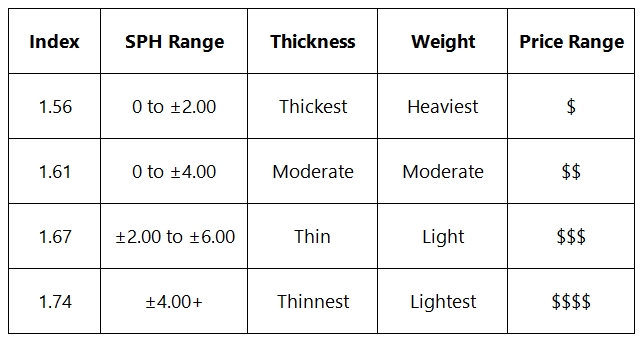
1.56 Index (Standard)
- Best for: Low prescriptions | SPH Range: 0 to ±2.00.
- Pros: Affordable.
- Cons: Thicker edges for stronger prescriptions.
1.61 Index (Mid-Range)
- Best for: Mild to moderate prescriptions | SPH Range: 0 to ±4.00.
- Pros: Around 20-30% thinner than 1.56, good clarity, widely available.
- Cons: Slightly more expensive.
1.67 Index (Thin & Light)
- Best for: Moderate to high prescriptions | SPH Range: ±2.00 to ±6.00.
- Pros: Around 40% thinner than 1.56, lightweight.
- Cons: Higher cost.
1.74 Index (Thinner)
- Best for: High prescriptions | SPH Range: ±4.00 and above.
- Pros: Thinnest option (around 50% thinner than 1.56), lightweight.
- Cons: Most expensive.
Additional Tips
- SPH+CYL: If both SPH and CYL are positive and SPH plus CYL has been over +4.00 (such as SPH +3.00, CYL +1.25), opt for higher index(1.67/1.74) for thinner lenses and comfortable wear.
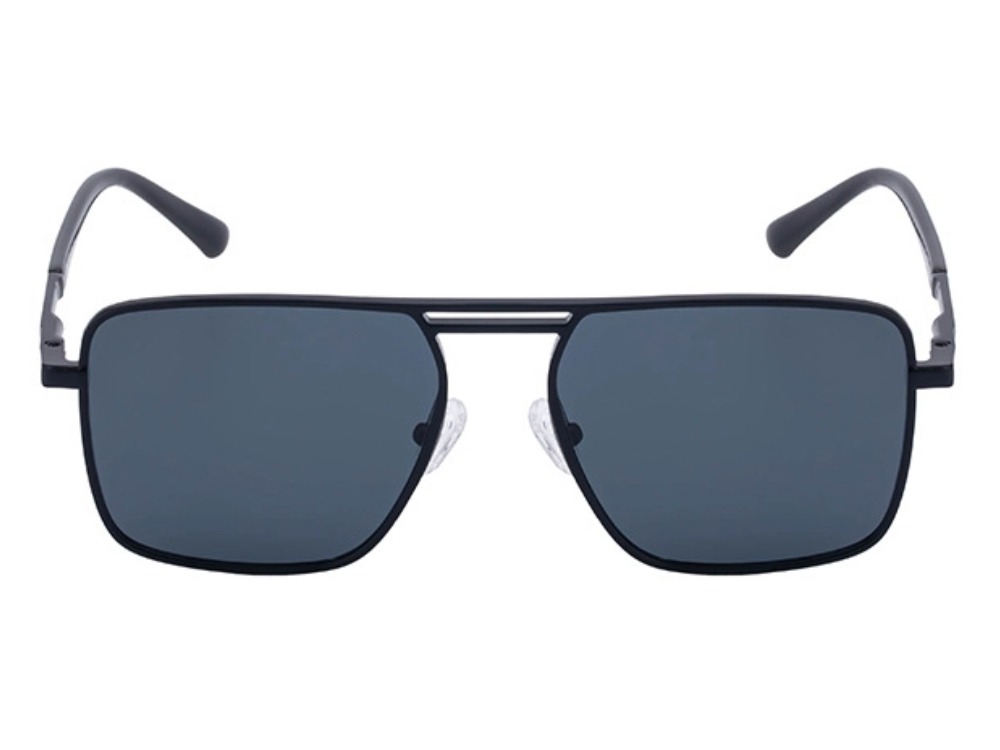
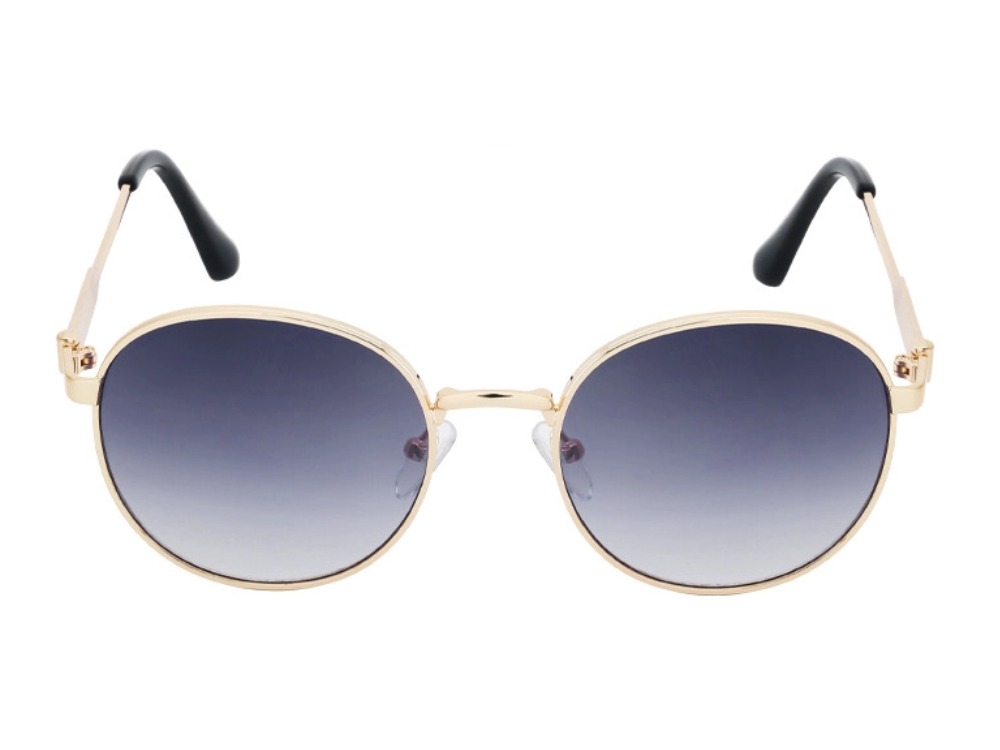
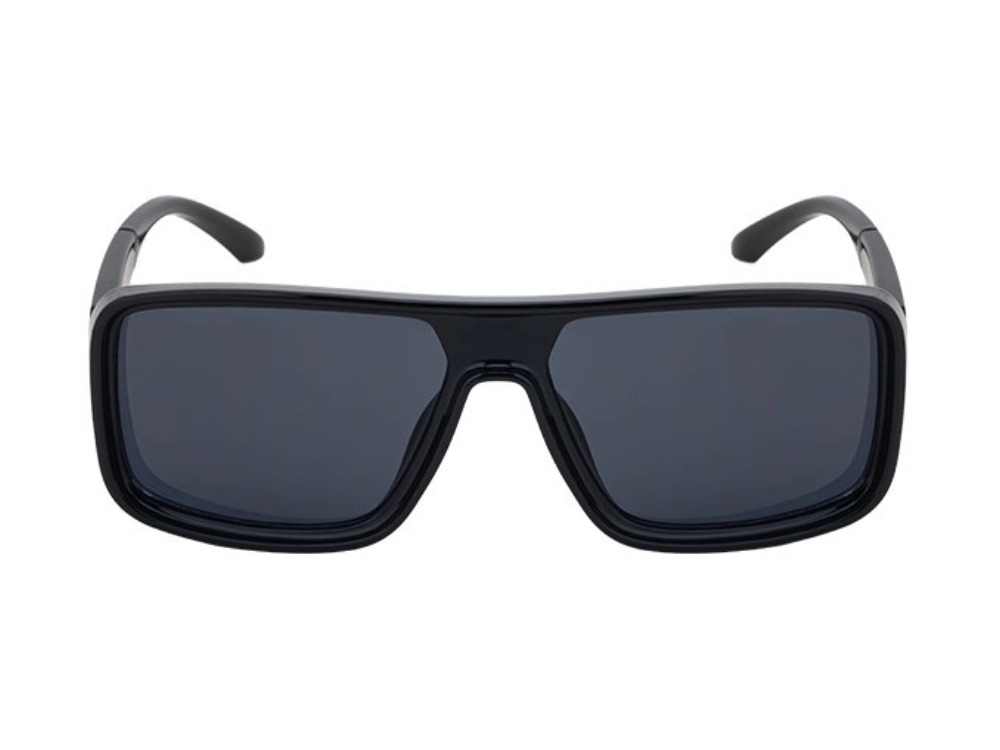
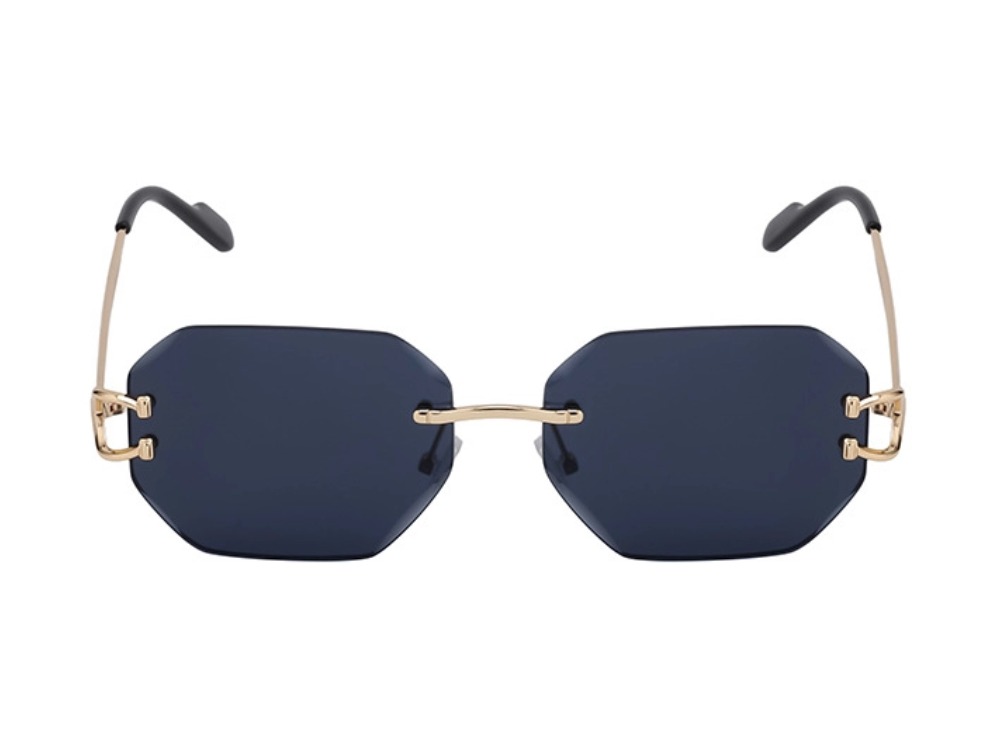
- Frame Size Matters: Larger frames make lenses appear thicker - opt for higher index(1.67/1.74) if needed.
- Ask Your Optician: For progressive, bifocal or prism, they may recommend adjustments.
Note:
- For some high prescriptions, an additional charge may apply as it requires higher customizations. If necessary, we will email you for confirmation before processing your order.
- If there are ADD numbers in your prescription, progressive lenses or bifocal lenses are recommended.