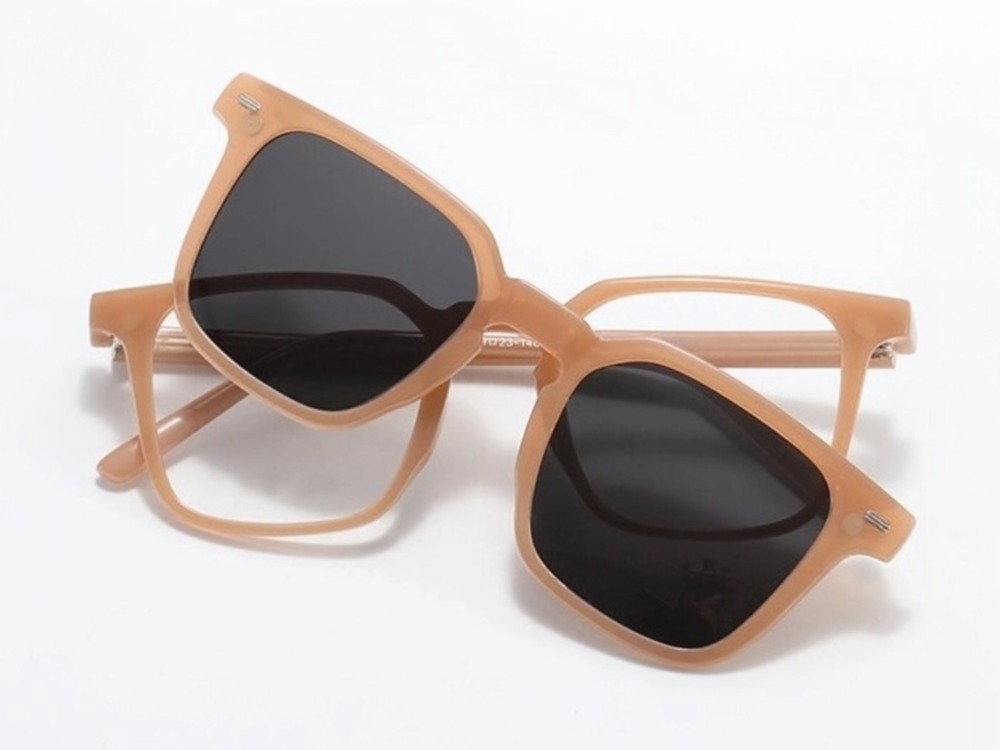
Lens index measures how efficiently a lens bends light. Higher index means thinner, lighter lenses for the same prescription. But higher index also costs more and can affect optical quality. This guide explains how lens index works and helps you choose the right one for your glasses.
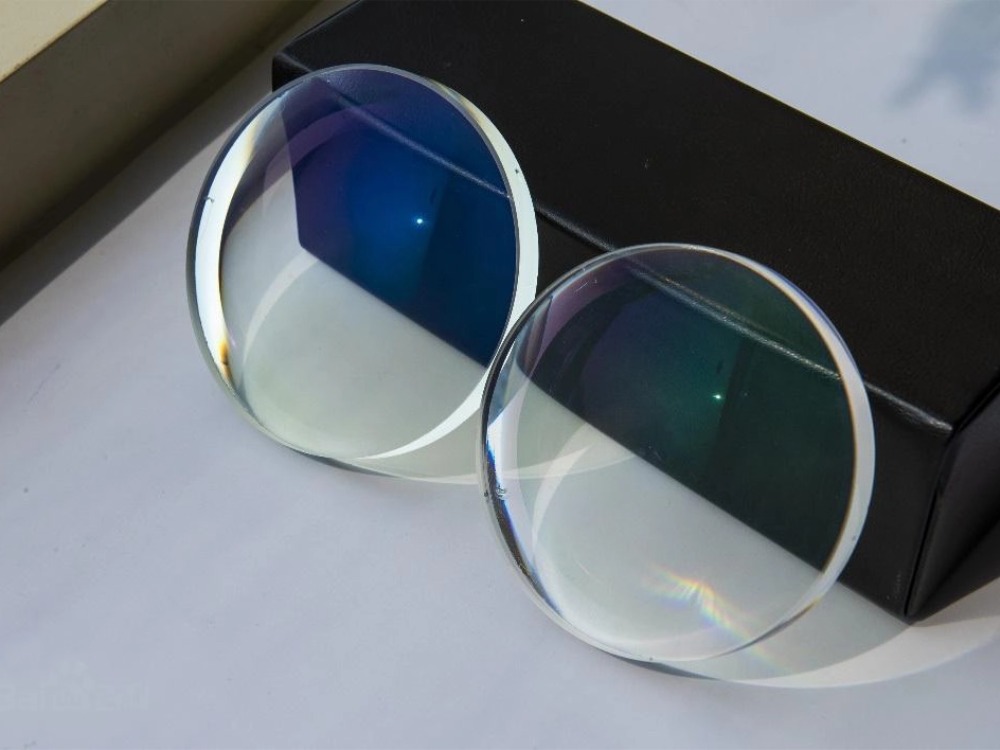
What is lens index and why does it matter?
Lens index is a number that describes how much a lens slows down and bends light. There are 4 common lens index: 1.56, 1.61, 1.67 and 1.74. Typically, 1.67 and 1.74 are also considered as high‑index lenses. The higher the index, the less material is needed to correct your vision. This means a stronger prescription can be made into a much thinner and lighter lens.
Why does this matter? Thicker lenses are heavier, stick out from the frame, and create more distortion around the edges – especially for people with moderate to high prescriptions. High‑index lenses solve these problems. They make glasses more comfortable to wear, look better, and fit into stylish, modern frames. However, higher index also comes with higher cost and sometimes slightly lower optical clarity (measured by Abbe value). Understanding the trade‑offs helps you make a smart choice.
Lens index by prescription strength
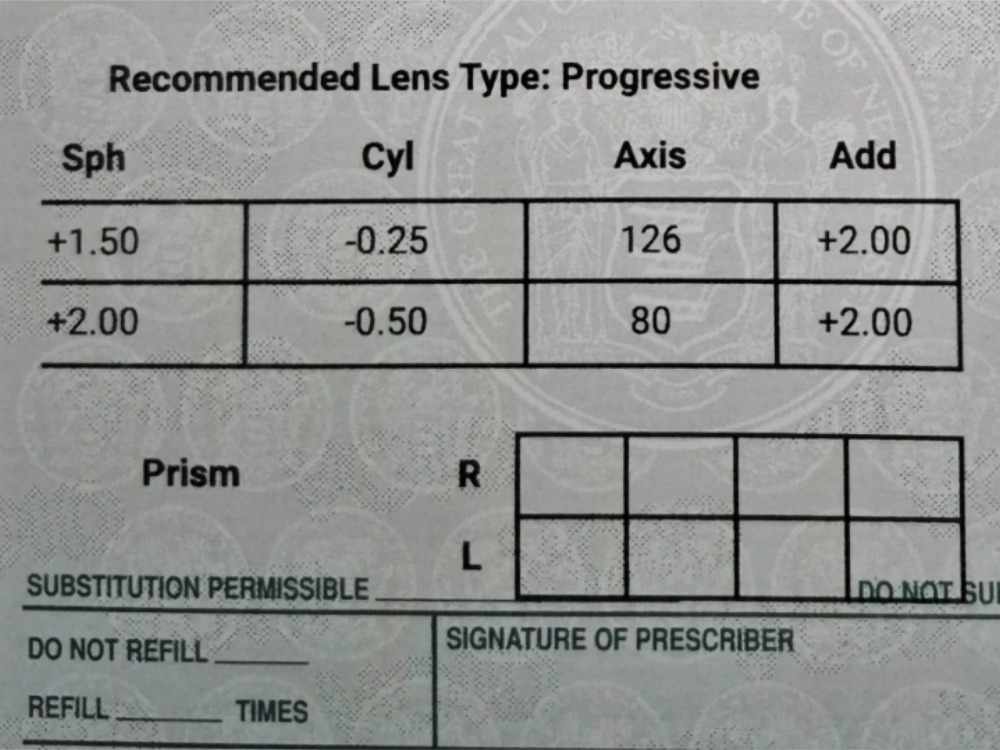
The right lens index depends mainly on your sphere (nearsightedness or farsightedness) and cylinder (astigmatism). Here is a general guide.
Low prescription (up to ±2.00) - Index 1.56 is perfectly fine. Lenses will be reasonably thin, affordable, and have excellent optical clarity. No need to pay more for high index.
Moderate prescription (±2.00 to ±4.00) - Index 1.61 is a good balance. Lenses are moderately thin. Also suitable for low astigmatism.
High prescription (±4.00 to ±6.00) - Index 1.67 is recommended. Lenses become thin and light, reducing the “coke bottle” effect. Worth the extra cost for comfort and appearance.
Very high prescription (over ±6.00) - Index 1.74 is best. The lenses are the thinner and lighter available. For prescriptions above ±8.00, 1.74 is almost essential to keep glasses wearable and attractive.
For astigmatism (cylinder power), the same rules apply. However, high astigmatism (over 2.00) may benefit from a slightly higher index than the sphere alone suggests, because cylindrical correction also adds thickness. Always ask your optician for a personalized recommendation.
Other factors that affect lens thickness
Prescription strength is not the only thing that determines how thick your lenses will be. Several other factors play a role.
Frame size and shape
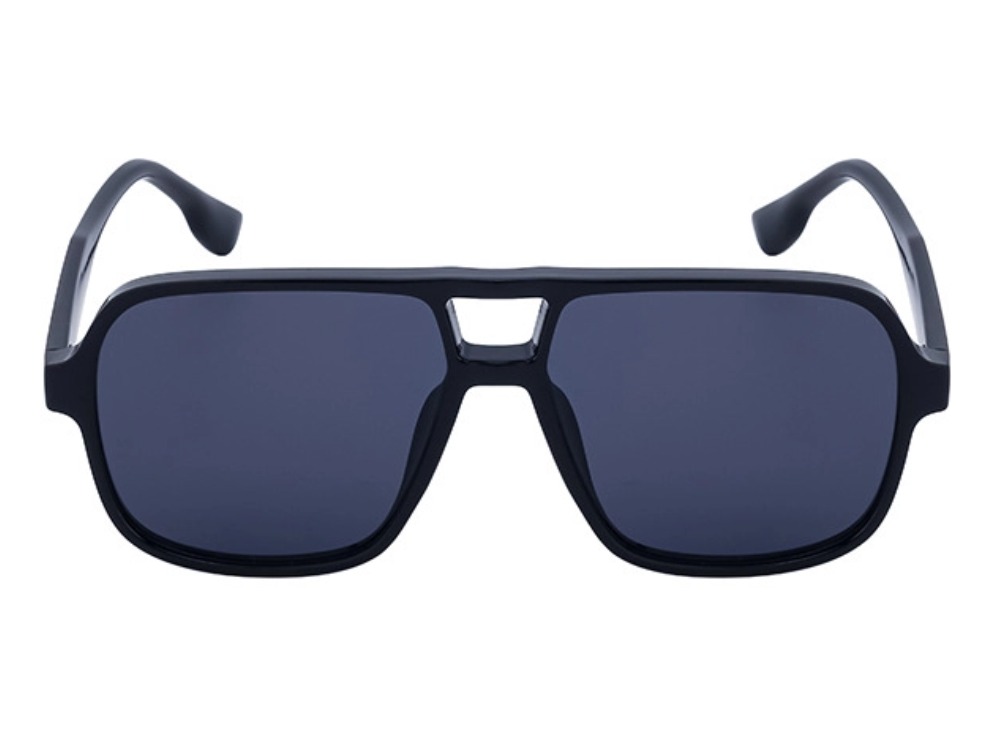
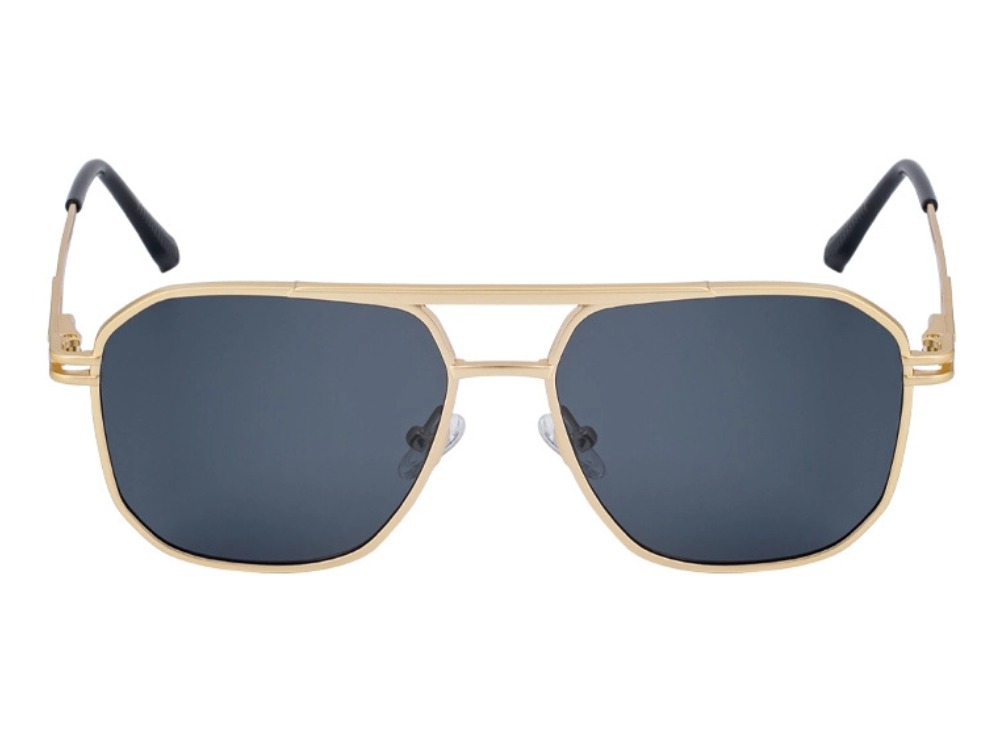
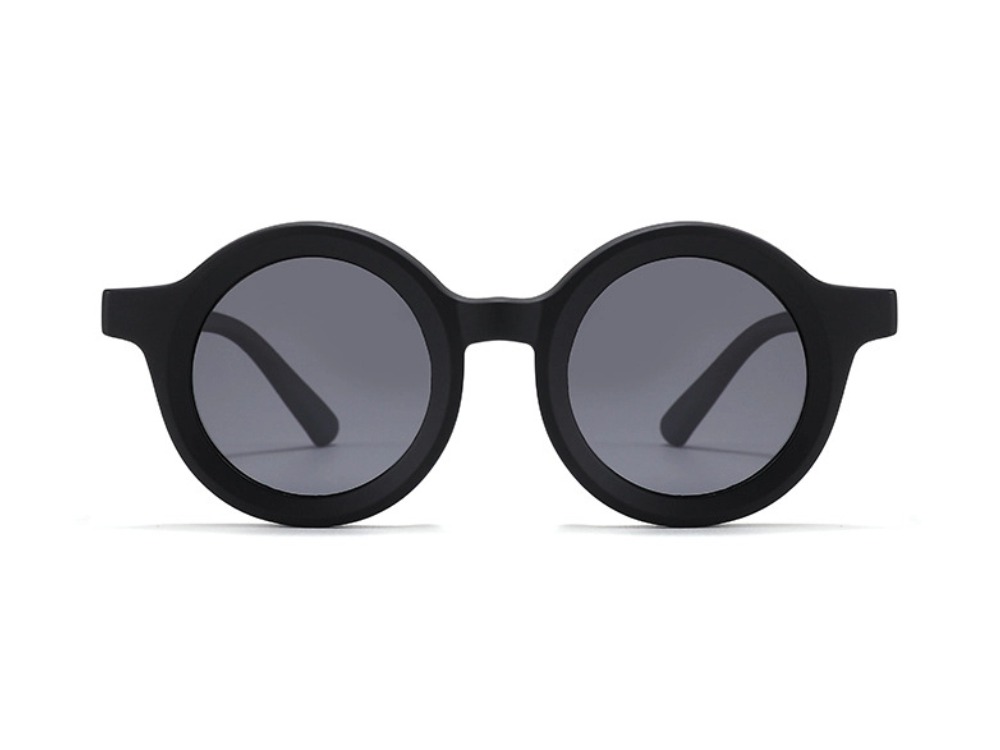
Large frames require larger lenses, which naturally become thicker at the edges. If you have a high prescription, choose smaller, rounder frames. They dramatically reduce edge thickness. Avoid oversized or very rectangular frames.
Centration (pupillary distance)
How the lens is cut and centered on your pupil affects thickness. Proper measurement ensures the thickest part of the lens is aligned with your eye. Poor centration can add unnecessary bulk.
Aspheric lens design
Aspheric lenses flatten the curve of the lens, reducing edge thickness and distortion. They are especially beneficial for high prescriptions and for anyone who wants a slimmer, more natural look. Many high‑index lenses come in aspheric designs automatically.
How to choose the right index for you
Here is a simple decision process in four steps.
Step 1 – Check your prescription.
Look at the sphere (SPH) and cylinder (CYL) numbers. Ignore the plus/minus sign – just look at the absolute value. The higher the number, the higher the index you likely need.
Step 2 – Consider your frame choice.
If you want a large or fashion frame, you will probably need a higher index to keep edges thin.
Step 3 – Balance budget and appearance.
Standard 1.56 is cheapest but thickest. 1.61 adds moderate cost for noticeable improvement. 1.67 and 1.74 cost significantly more but deliver the thinner, lighter results.
Step 4 – Ask about coatings and add‑ons.
High‑index lenses should always include anti‑reflective coating – because they reflect more light than standard plastic. Also consider scratch resistance and UV protection. These coatings make your expensive high‑index lenses perform and last better.
Conclusion
Lens index is a simple tool to get thinner, lighter, and better‑looking glasses. Low prescriptions work fine with standard 1.56. Moderate prescriptions benefit from 1.61. High prescriptions should use 1.67. Very high prescriptions need 1.74.