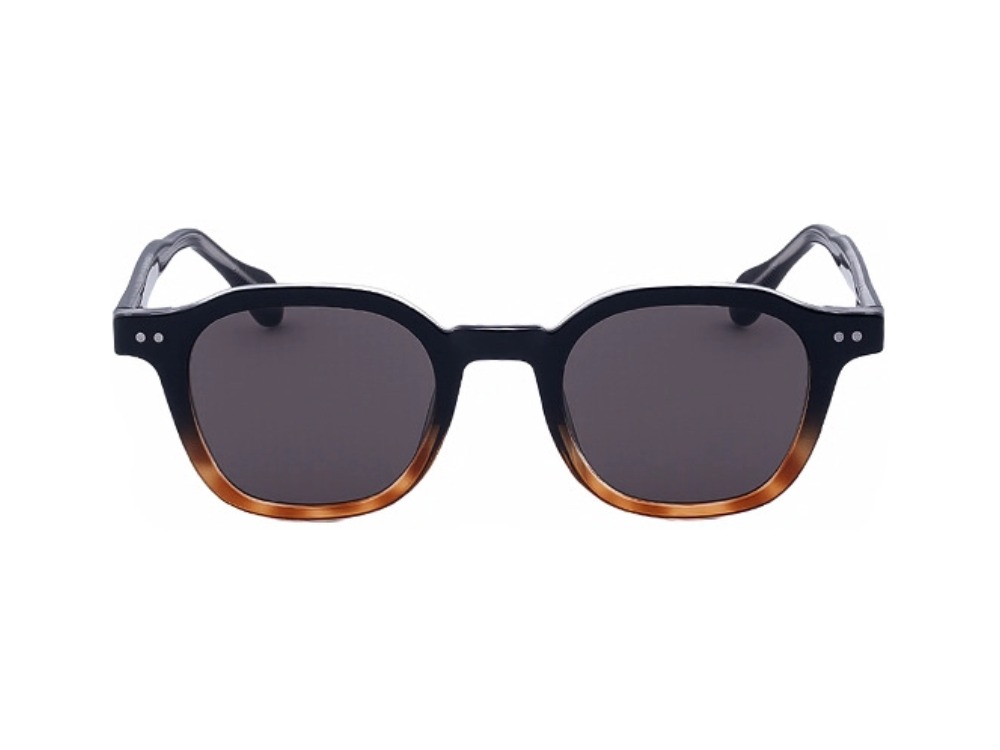
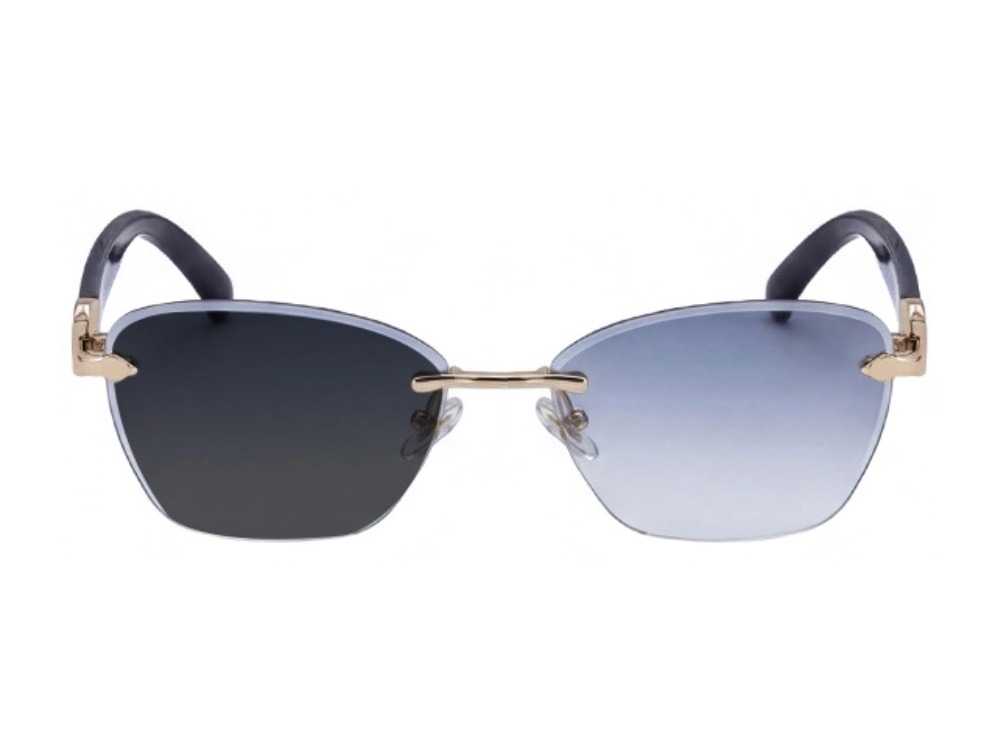
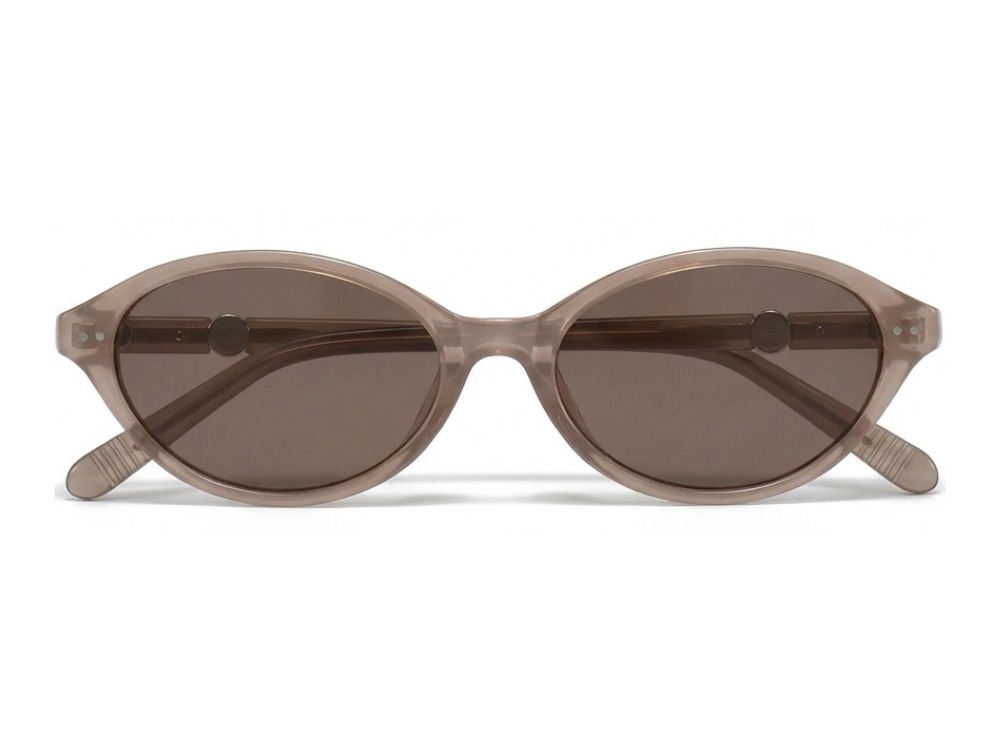
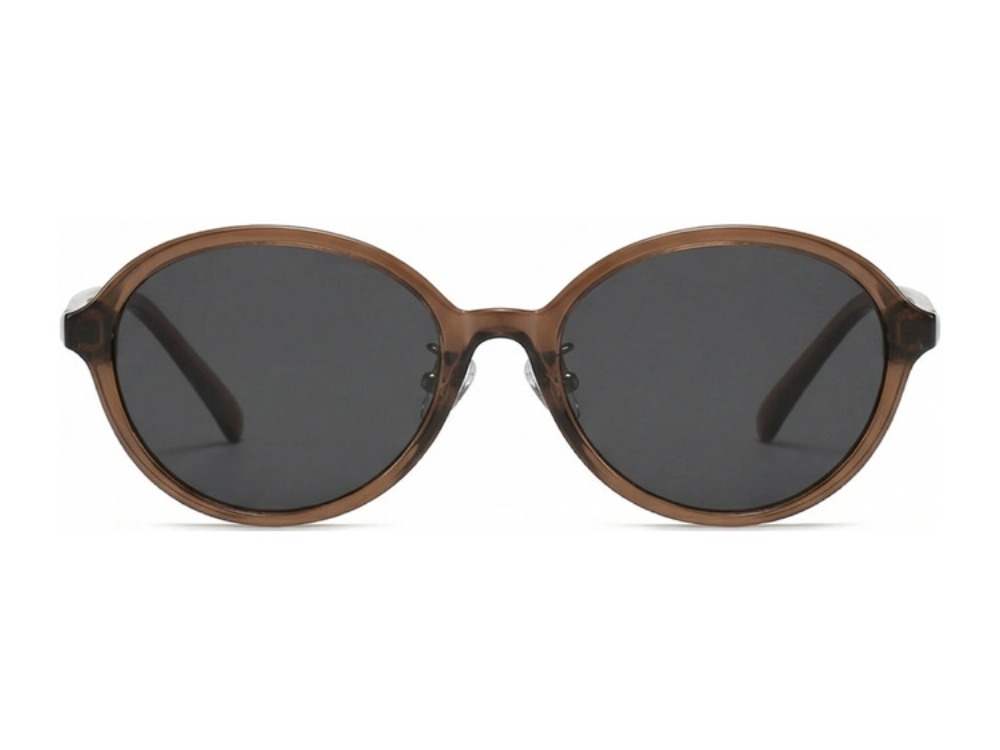
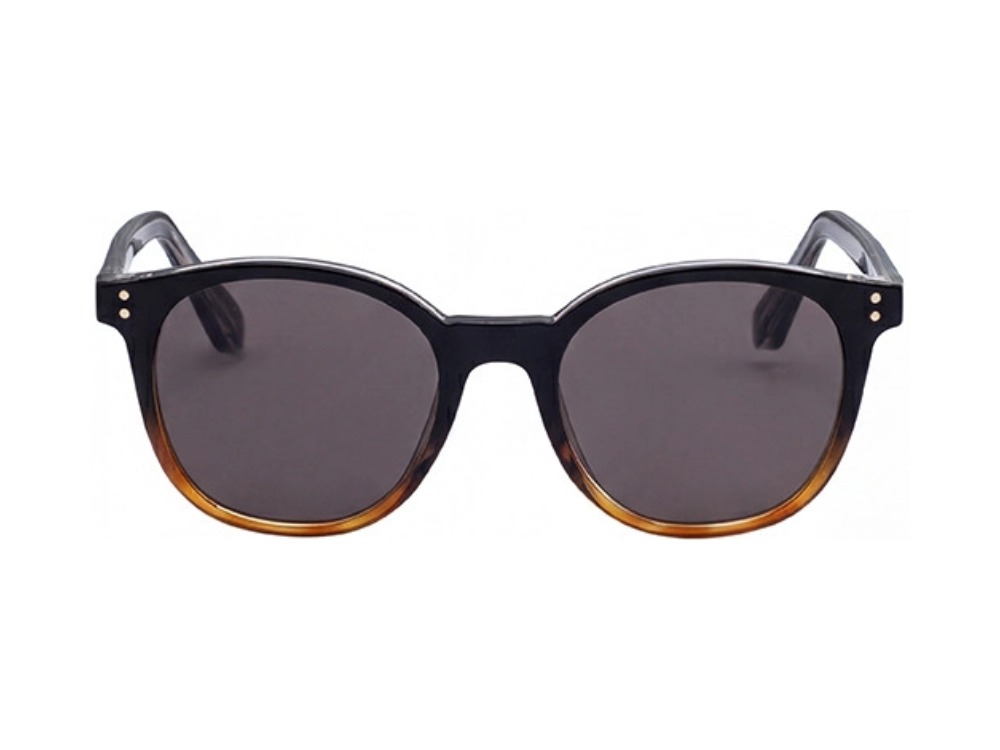
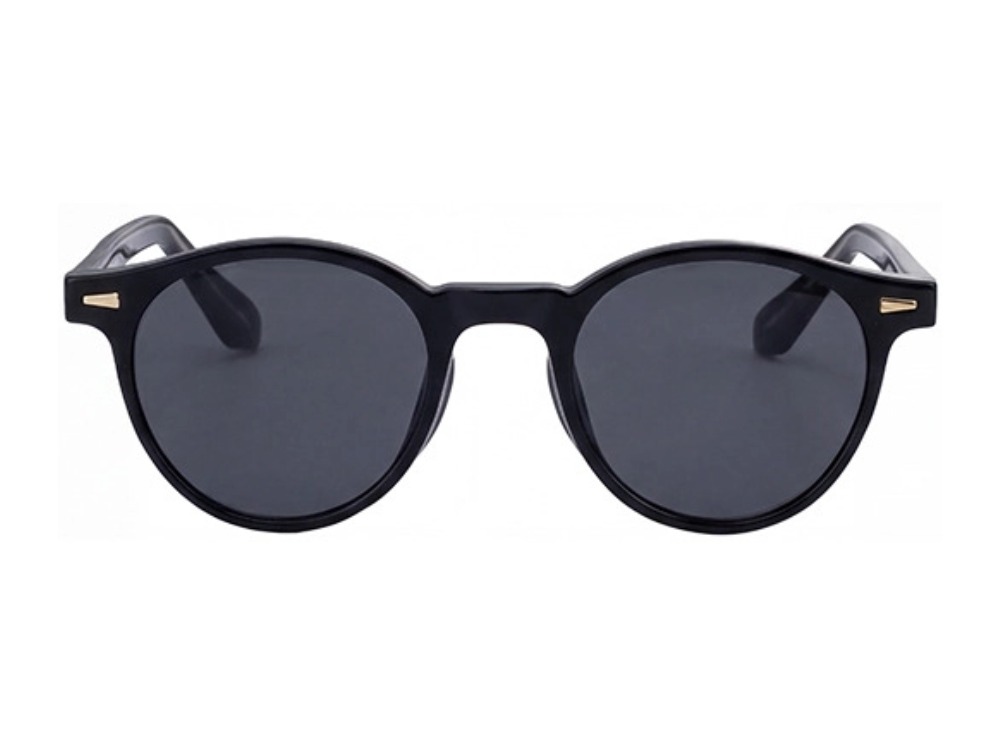
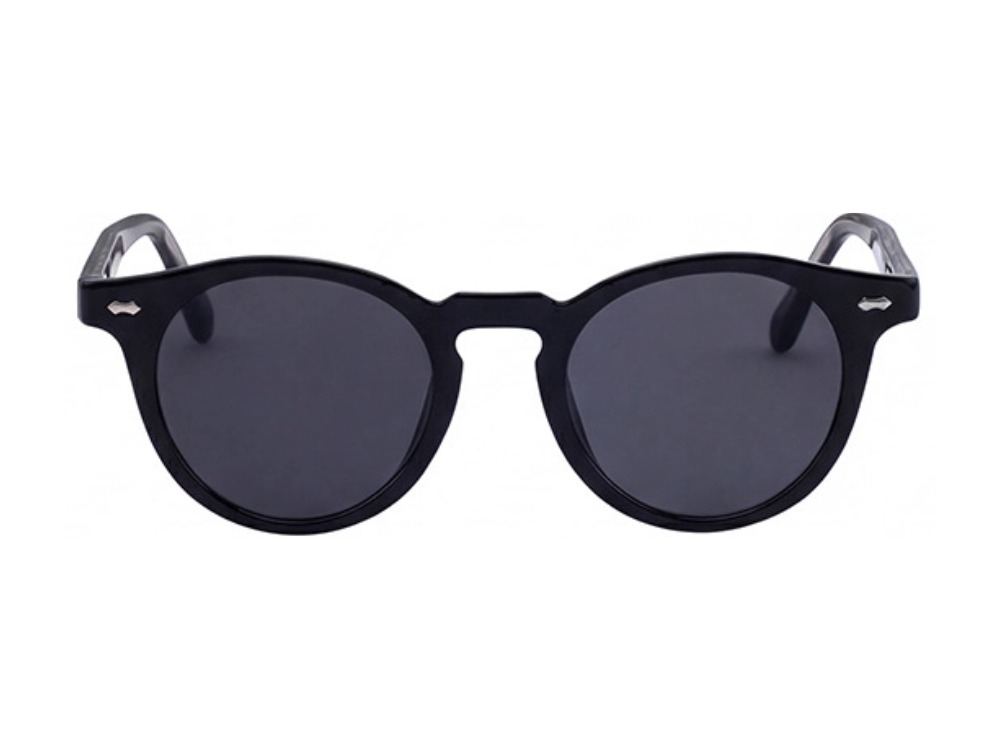
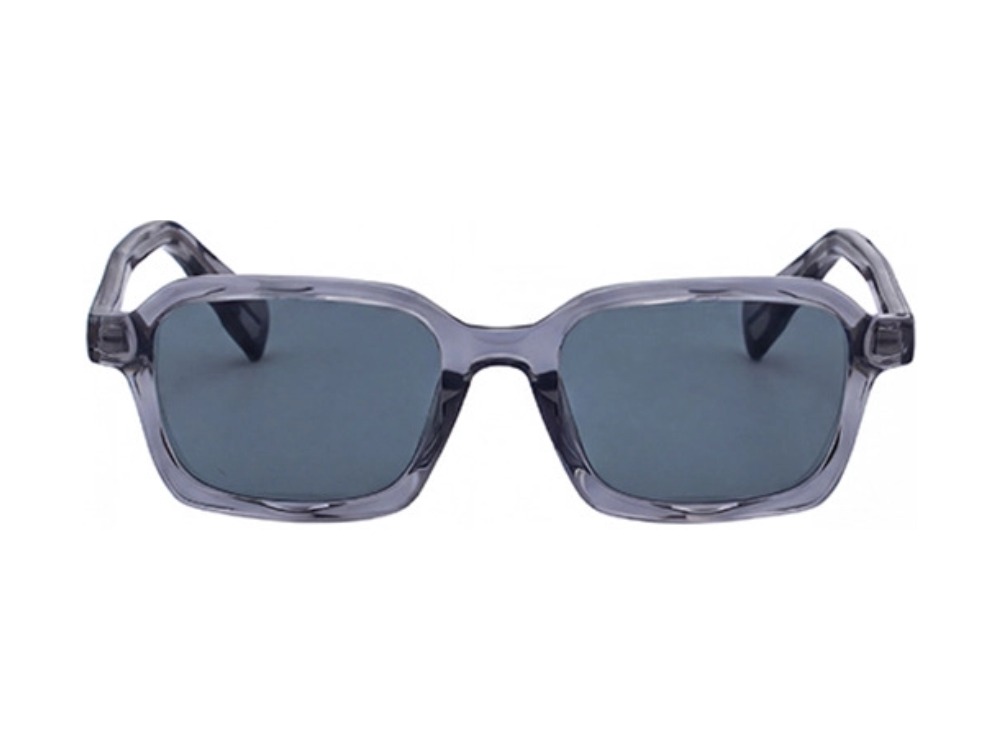
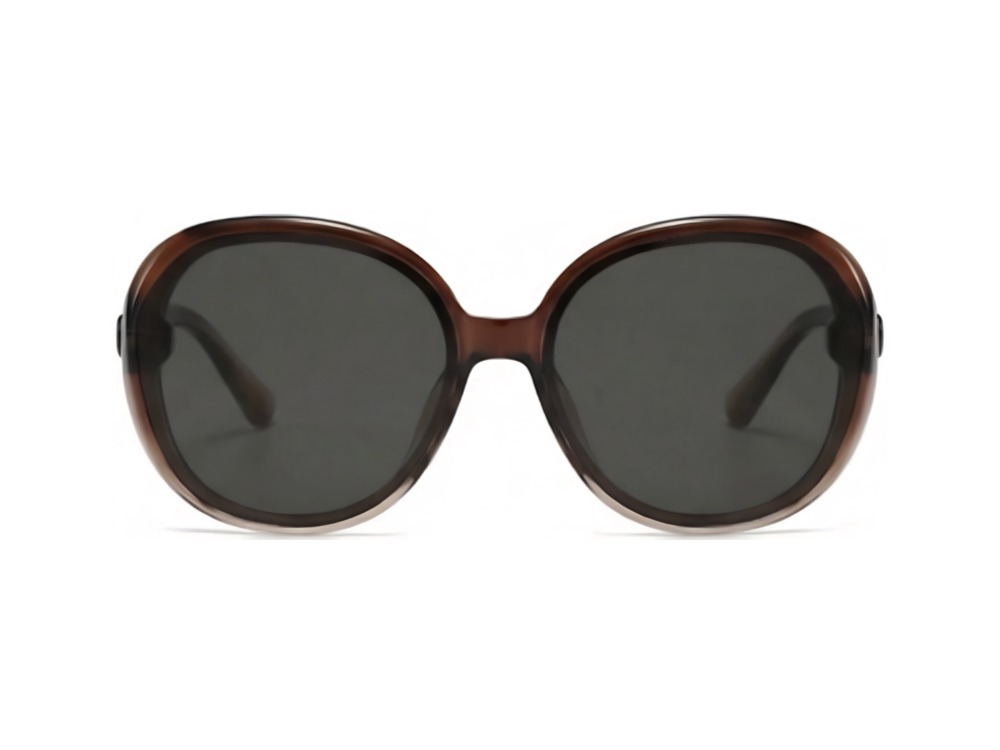
You have been wearing prescription sports sunglasses for years. But lately, you notice that while the trail ahead is crystal clear, your bike computer or fishing line looks blurry. Or you can read your watch just fine, but the distant golf flag seems soft.This is where add power comes in. This guide explains what ADD power is, why it matters for different sports, and how to choose the right option for your active lifestyle.
What is add power?
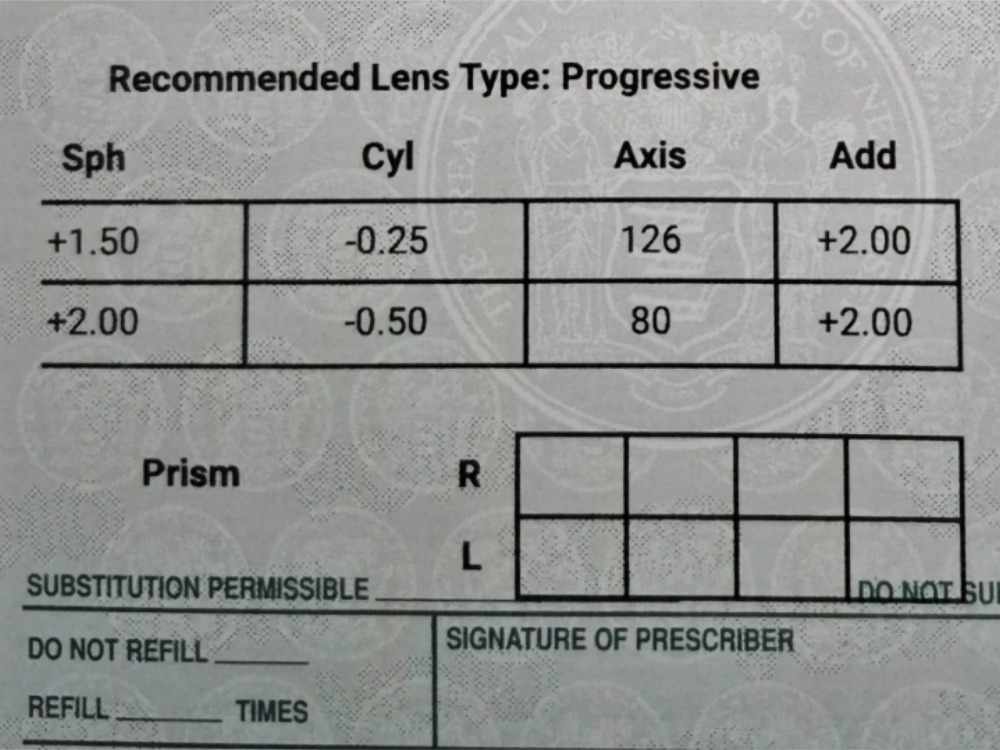
Add power (short for “addition power”) is the amount of near‑vision correction added to the distance prescription in a multifocal lens. It is measured in diopters (D) and is always a positive number, typically ranging from +0.75 to +3.00.
Distance prescription (e.g., sphere, cylinder, axis) corrects your vision for far away – driving, looking at the horizon, watching a soccer game.
Add power is the extra “boost” that lets you see clearly up close – reading a gps, checking your heart rate, tying a fishing knot.
In everyday life, add power is most commonly used for presbyopia – the natural loss of near focusing ability that starts around age 40. However, younger athletes with certain binocular vision conditions may also use low‑add lenses.
How add power works in regular glasses vs. sports sunglasses
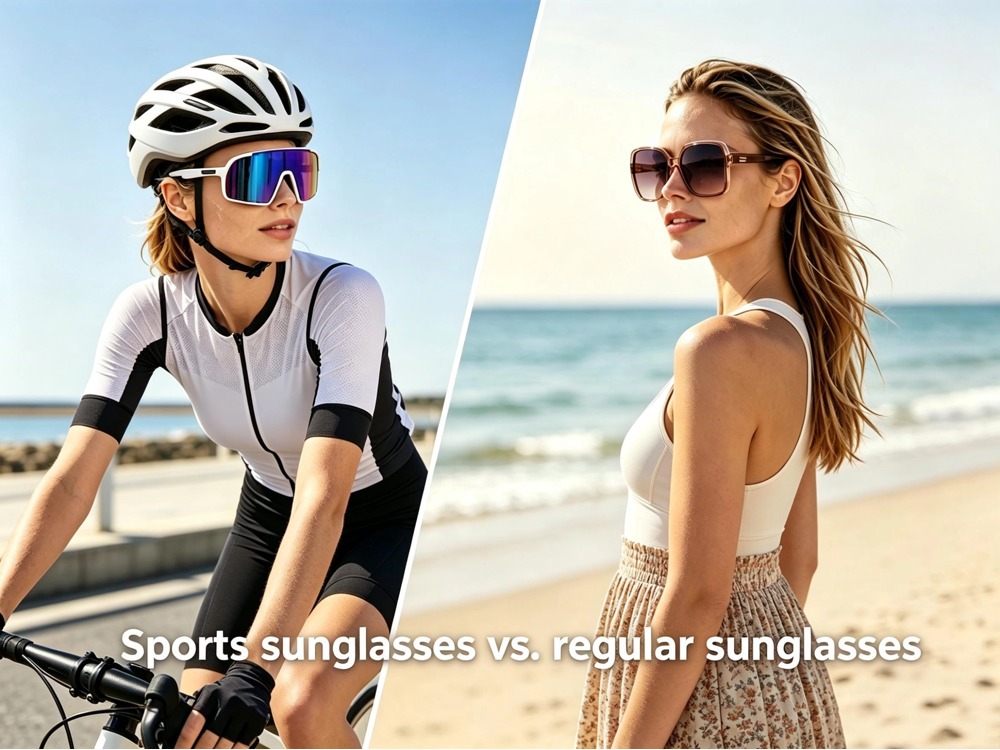
Regular daily glasses typically have a deep, tall lens shape that leaves room for a near zone. You mainly use eye movement to look down through the near zone. The frame wrap is low (standard).
Prescription sports sunglasses often have a wrap‑around, smaller, or curved lens shape. Viewing distances vary by sport: handlebar (50‑70 cm), wristwatch (30‑50 cm), or ski poles at arm’s length. Due to protective frames, you may need to tilt your head rather than just moving your eyes. High‑wrap curved lenses can shift the add zone out of alignment, so you may need a custom or sport‑specific multifocal design.
In regular glasses, the add zone sits in the lower part of the lens. You look down through it to read. In sports sunglasses, the frame is often more curved and sits closer to your face. This can shift the add zone out of alignment. You may need a custom or sport‑specific multifocal design.
Why does add power matter for sports sunglasses?
- Safety – A bad add zone can blur your view when you glance down at your handlebar computer, causing you to lose balance.
- Performance – Many sports need near vision: cycling (head unit), running (watch), fishing (knots), skiing (map), golf (yardage book).
- Comfort – The right add power stops eye strain, squinting, and headaches during long activities.
- Outdoor light – Bright sun makes your pupils smaller, which increases depth of field. So you may need an add that is 0.25 to 0.50 lower than your indoor reading add.
- Sport type – Distance sports (cycling, skiing) need minimal add placed low. Mixed sports (trail running) need a progressive with a wide middle zone. Near‑heavy sports (fishing) need a larger near zone.
Types of lens designs
- Single vision (no add) – Cheap and clear, but no near zone for reading anything close. Good only for pure distance sports.
- Flat‑top bifocal – A visible segment in the lower lens for near. Good for fishing and shooting. The line can be distracting.
- Progressive (no‑line) – Smooth transition from far to near. Supports intermediate distances like handlebar computers. But it has a narrow clear zone and requires head movement.
- Sports progressive – Designed for wrap frames and active use. Wide distance zone, low add placement, minimal distortion.
- OptiOut sport lenses - bifocal or progressive - are built for sport, crafted for comfort.
How to choose
- Step 1 – Get your add power from an eye exam.
- Step 2 – For outdoor sports, try an add that is 0.25‑0.50 lower than your reading add.
- Step 3 – Match the design to your sport: sports progressive for mixed distances, flat‑top for near‑heavy, single vision for pure distance.
- Step 4 – Choose a frame that is deep enough (at least 35mm tall) and compatible with multifocal lenses.
- Step 5 – Test if possible, or visit a sports vision optician.
Conclusion
Add power is not just for reading books. For prescription sports sunglasses, the correct add power and lens design can dramatically improve your safety, performance, and comfort.
If you are over 40 and active outdoors, do not settle for generic reading glasses or struggling to see your devices. Invest in proper prescription sports sunglasses with the right add power – your eyes (and your performance) will thank you.