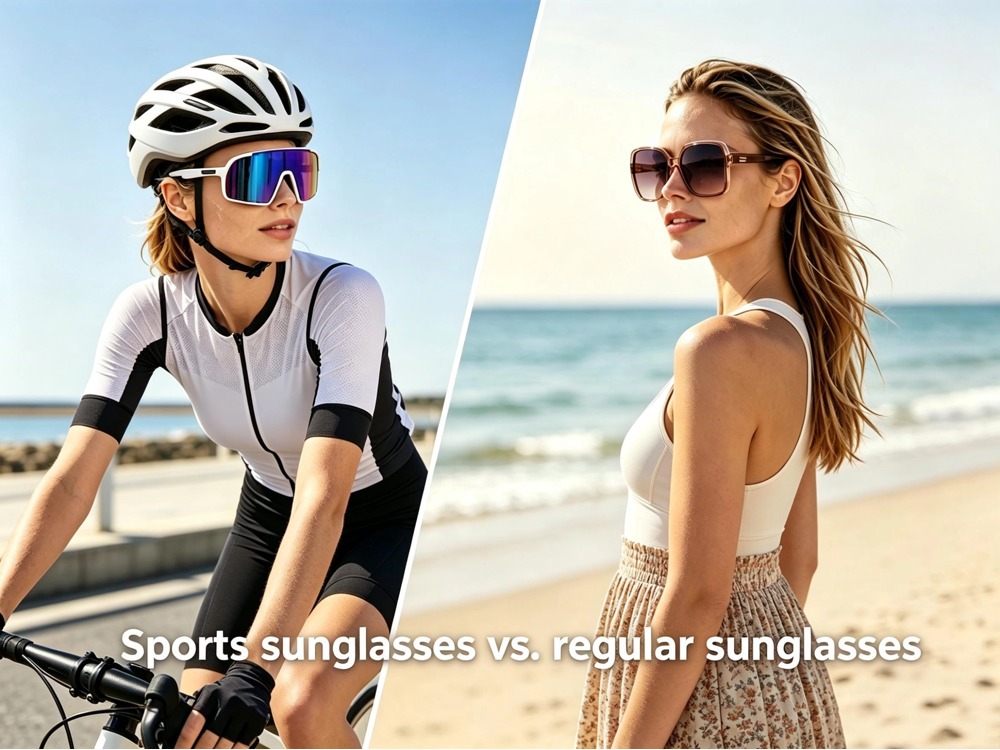
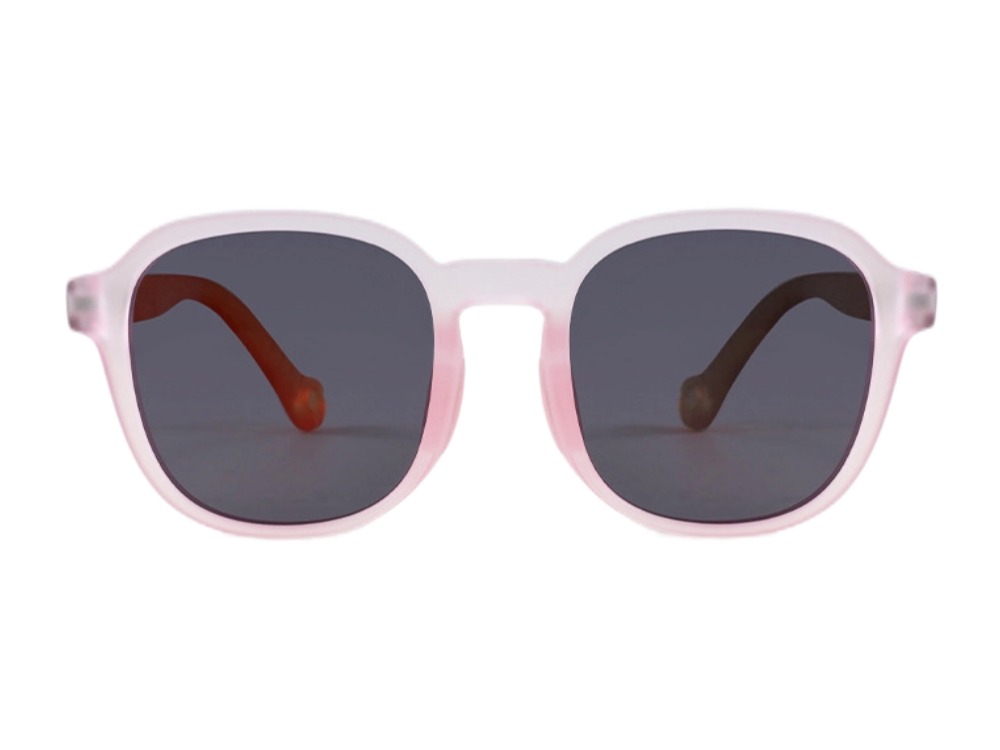
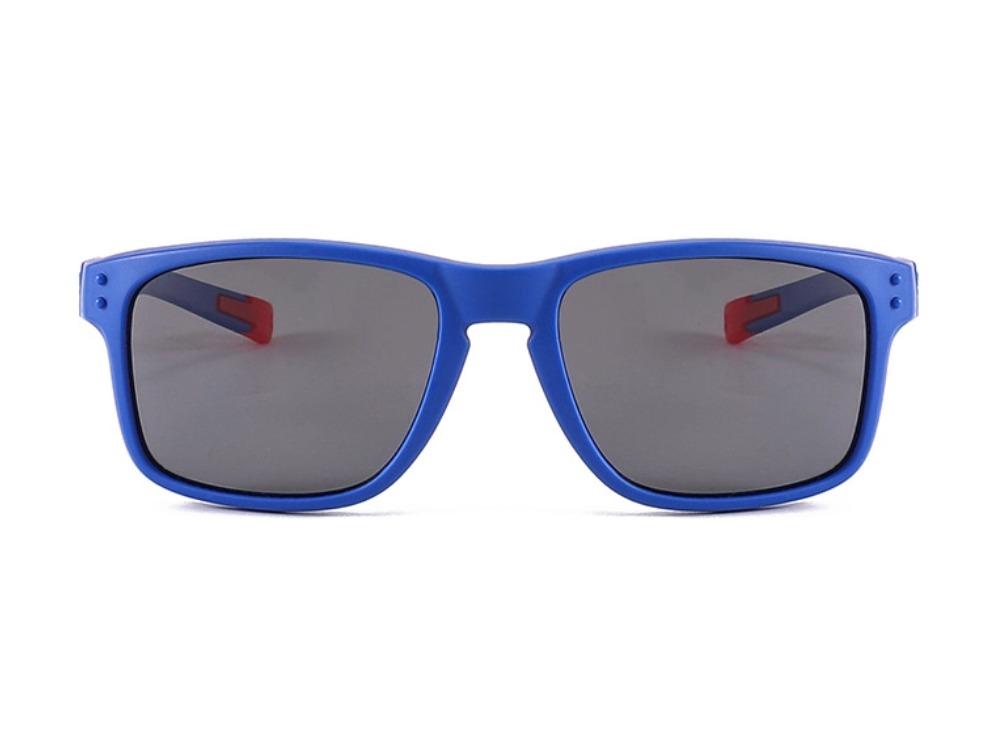
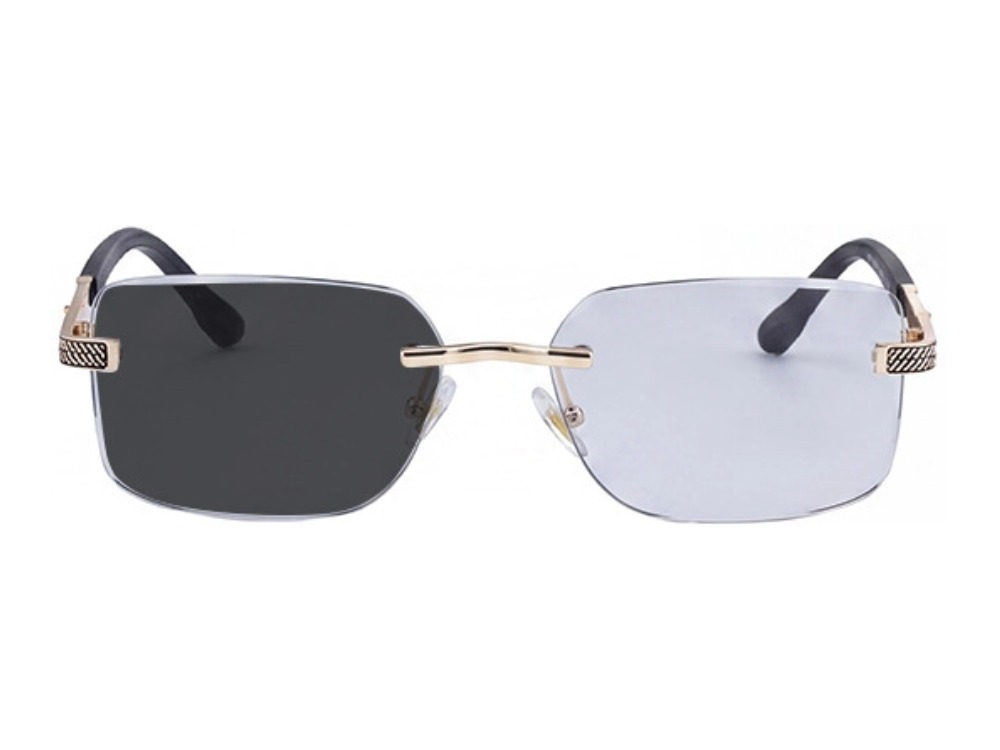
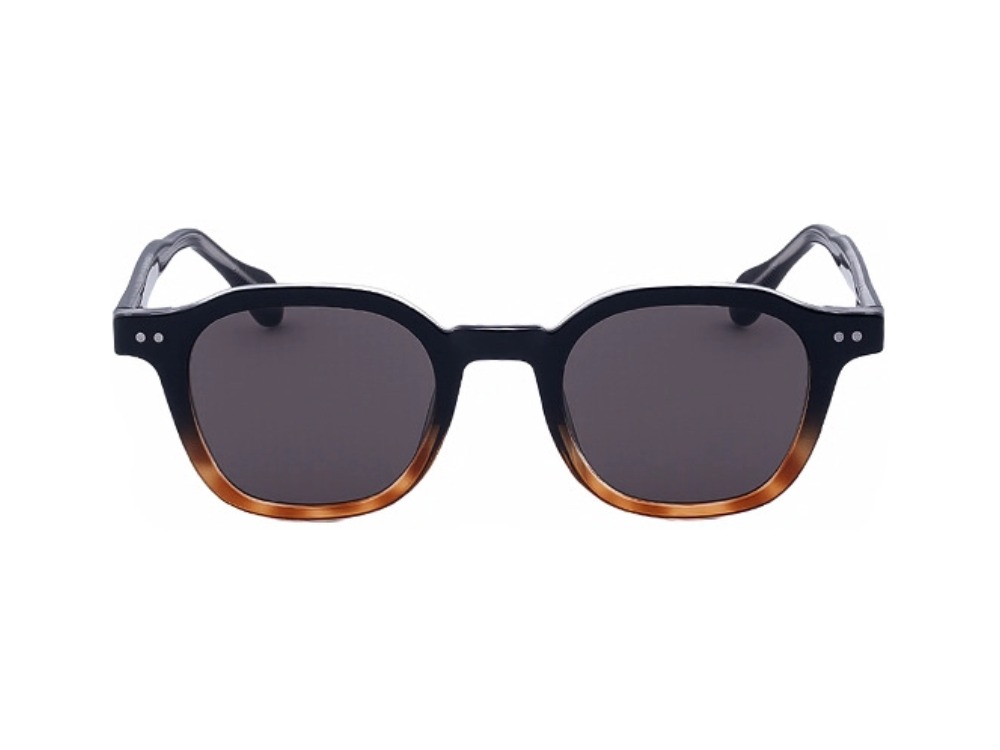
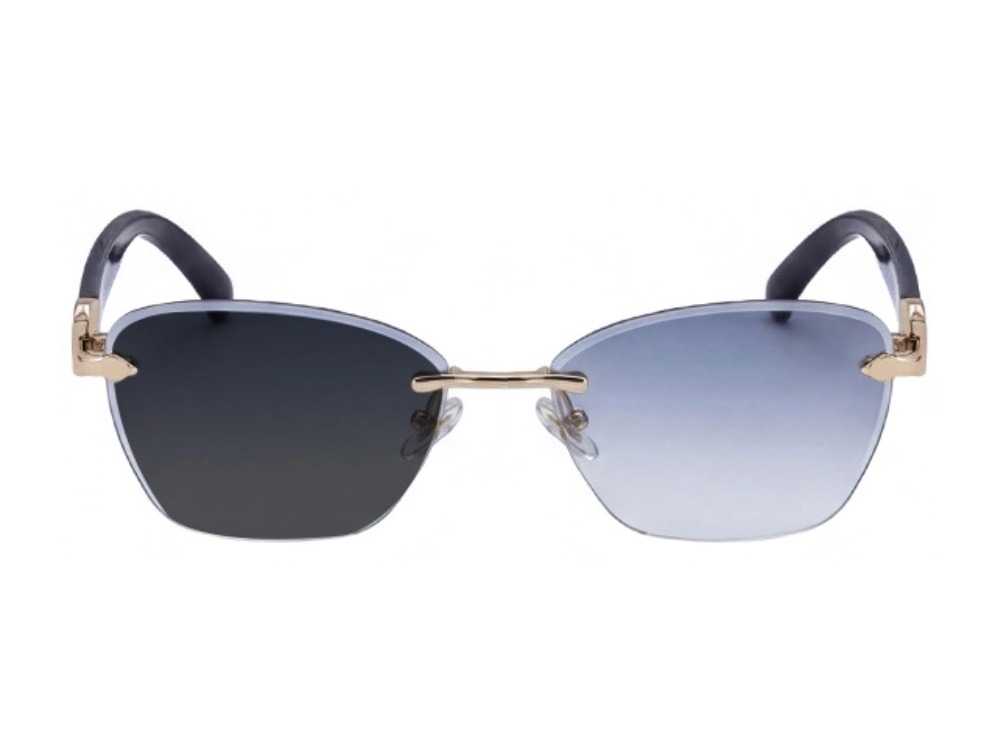
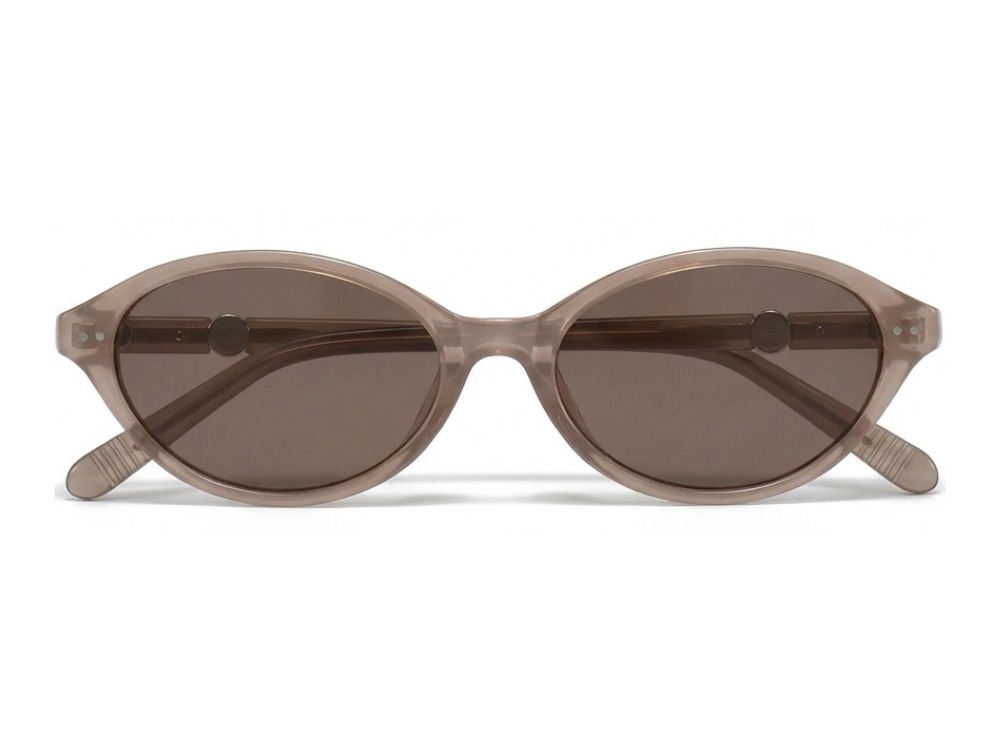
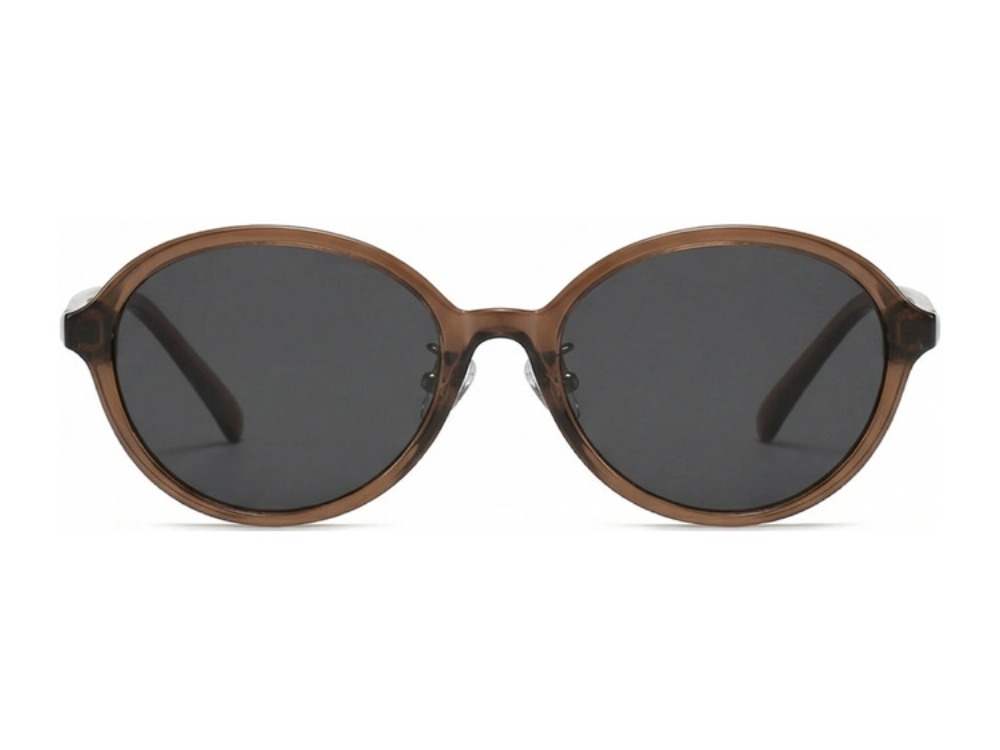
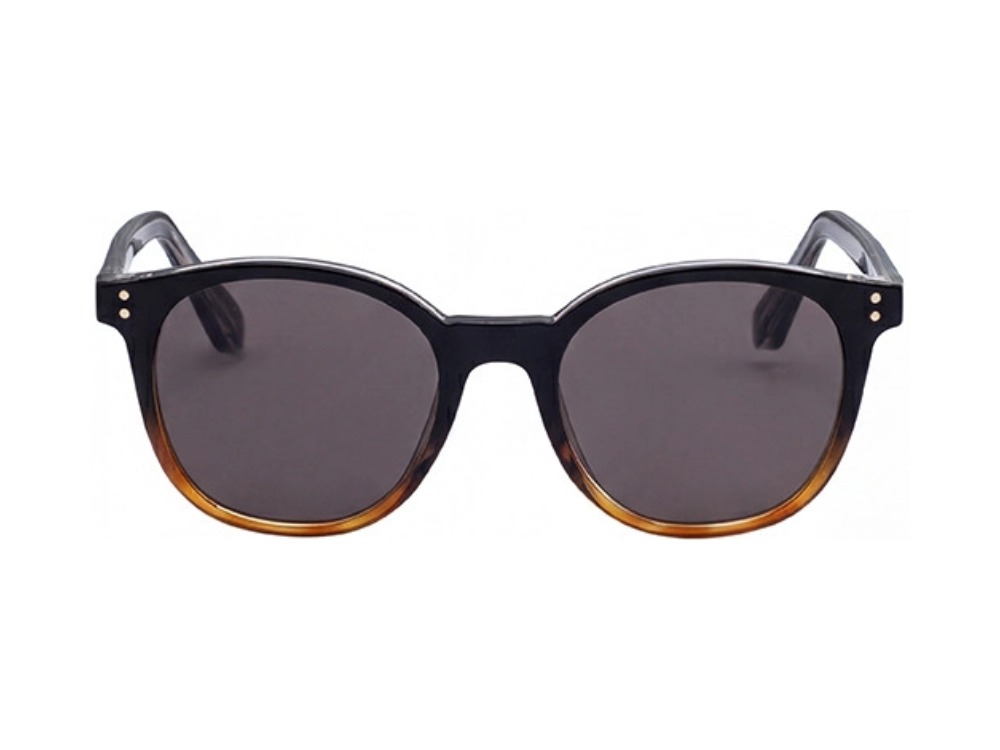
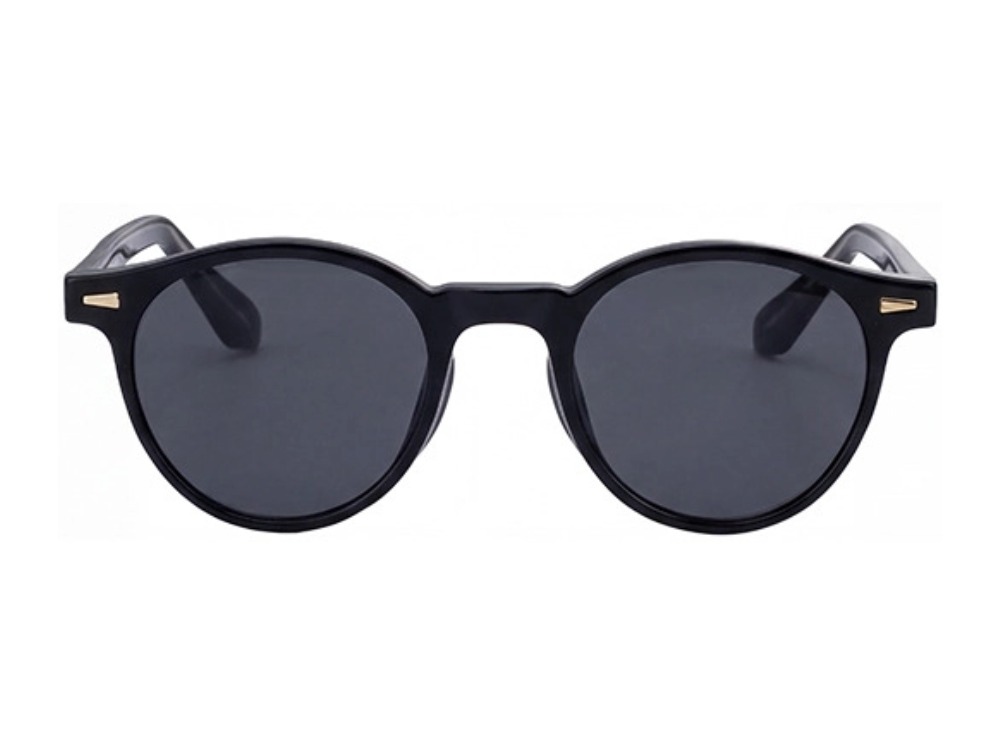
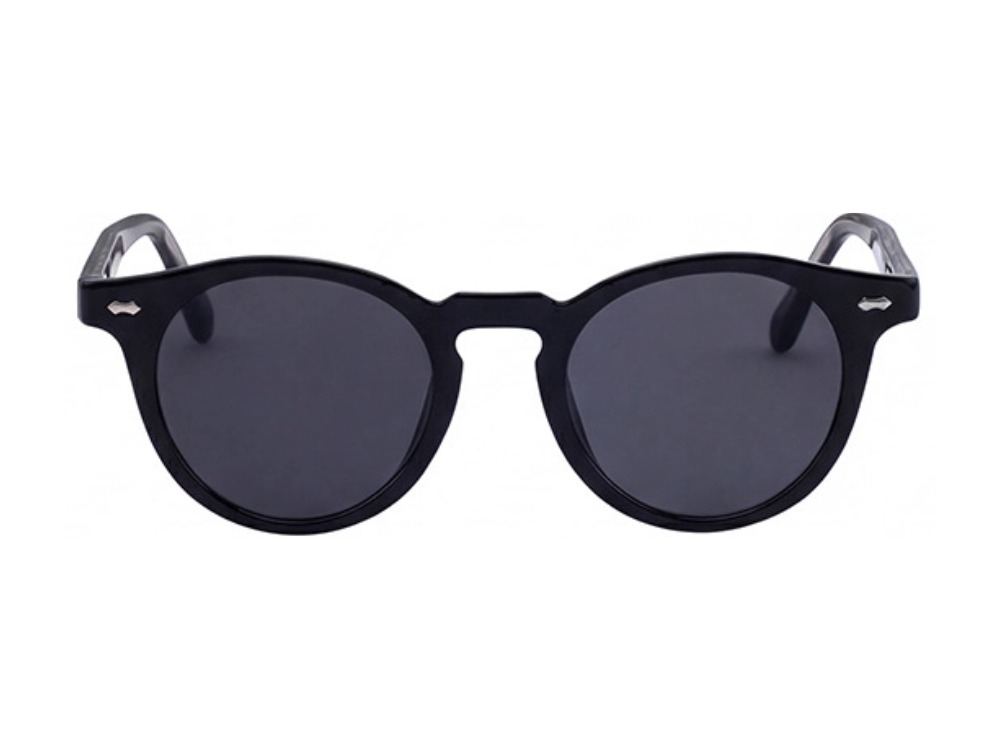
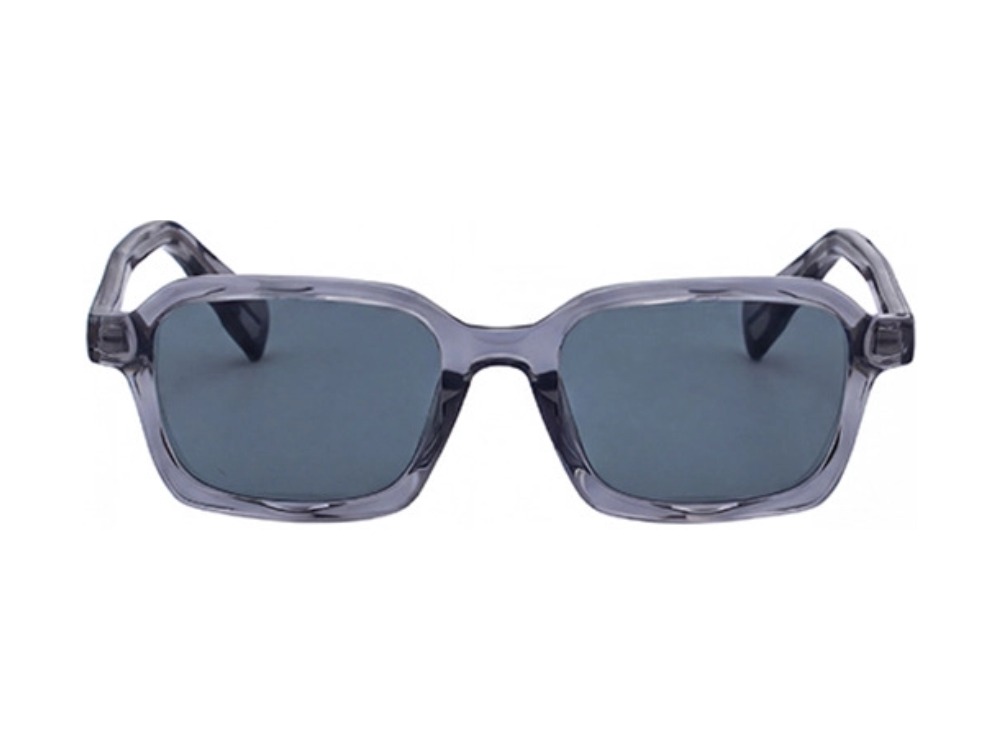
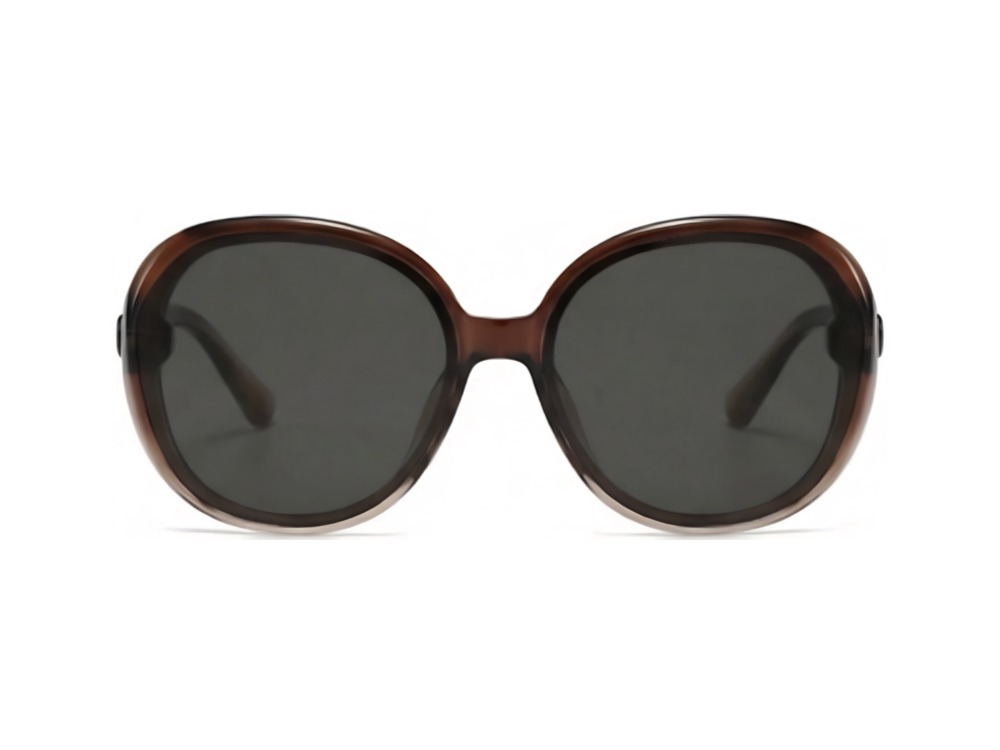
Visible Light Transmission (VLT) is the percentage of visible light that passes through a lens to reach your eye. A lens with 90% VLT lets through 90% of incoming light (very clear). A lens with 10% VLT only lets through 10% (very dark). In short: Lower VLT = darker lens. Higher VLT = lighter lens.
The VLT range: from nearly clear to extremely dark
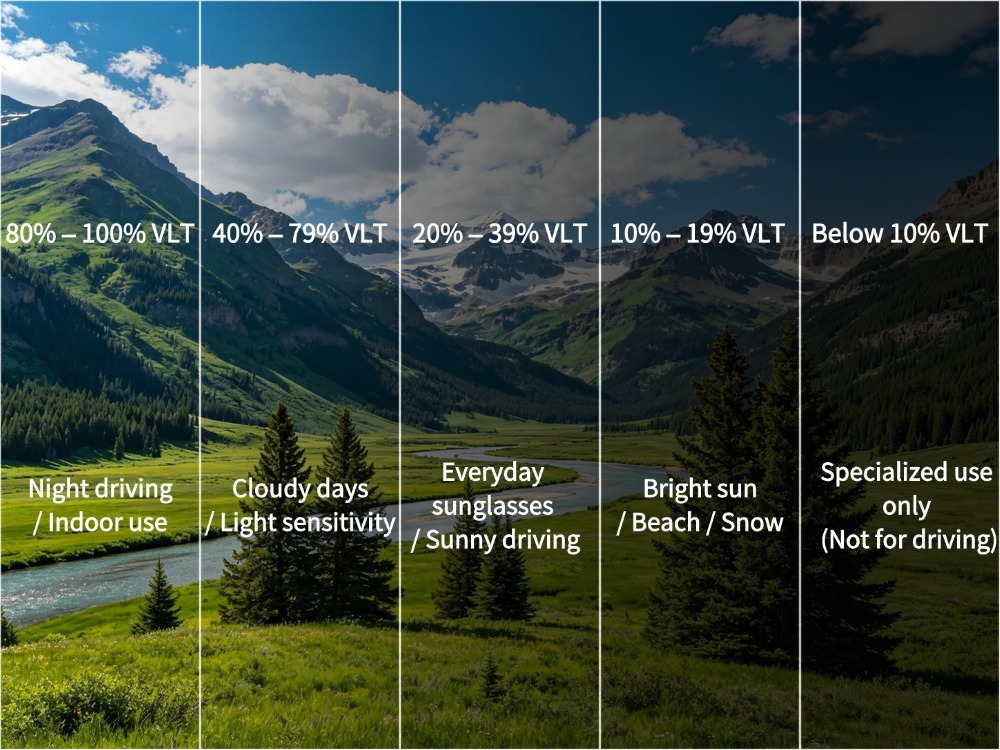
- 80% – 100% VLT: Very light. Used for clear glasses, low‑light conditions (night driving, indoor safety glasses), or fashion tints.
- 40% – 79% VLT: Medium light. Good for cloudy days, light sensitivity indoors, or casual sunglasses.
- 20% – 39% VLT: Medium dark. Ideal for everyday sunglasses, driving on sunny days, and general outdoor use.
- 10% – 19% VLT: Dark. Best for bright, sunny days, beach, snow, or desert environments.
- Below 10% VLT: Extremely dark. Used for specialized applications like welding, high‑altitude mountaineering, or glacier travel. Not legal for driving in most places.
The real-world impact of VLT
VLT affects three things directly:
- Brightness comfort: The right VLT reduces squinting and eye strain without making everything too dark.
- Safety: Too dark a lens while driving (below 8–10% VLT) can hide obstacles and pedestrians. Too light a lens on a bright day won’t protect you enough.
- Activity fit: Fishing on open water needs lower VLT than cycling through a shaded forest path.
Choosing the wrong VLT means either squinting all day or tripping because you can’t see well indoors.
The people who need VLT the most
✅ Drivers: Need lenses around 12–20% VLT for bright days. Below 8% is illegal in many places.
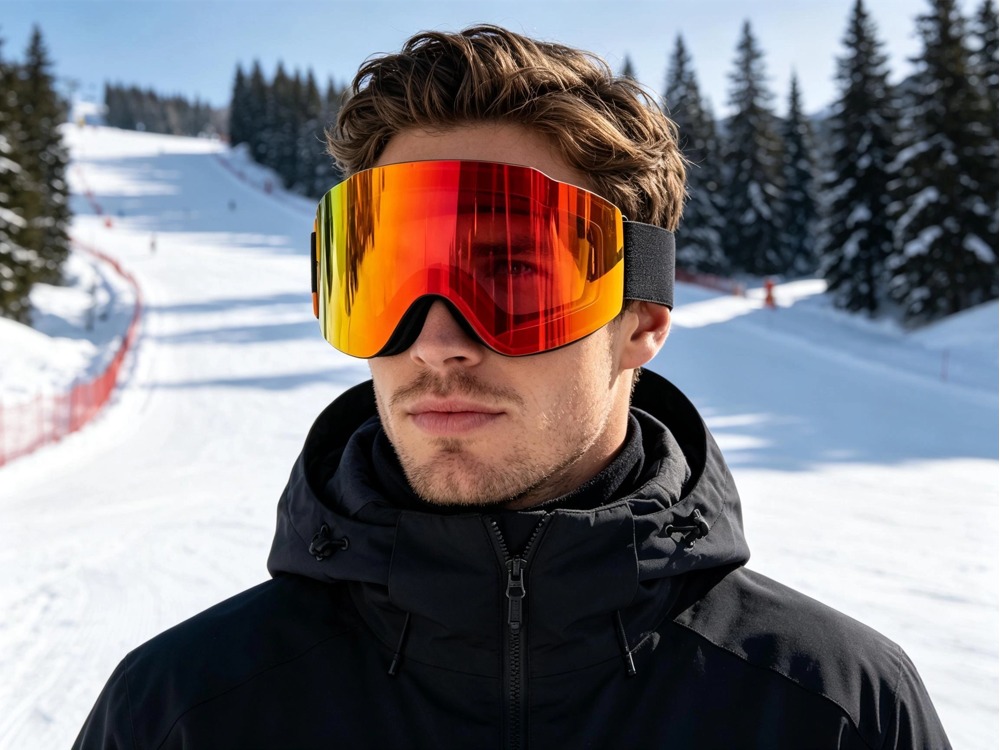
✅ Skiers and snowboarders: Bright snow reflection calls for 10–20% VLT.
✅ Cyclists and runners: Varies by terrain – 20–30% for mixed sun/shade, below 15% for open highways.
✅ People with light sensitivity (photophobia): Often need 10–25% VLT even indoors.
✅ Pilots: Aviation regulations often specify maximum VLT for different phases of flight.
✅ Anyone buying prescription sunglasses: Your optician should ask about your typical light conditions to recommend the right VLT.
VLT VS Tint color: a common confusion
Many people think dark gray means low VLT and yellow means high VLT. That’s mostly true, but not always. A dark yellow lens can still have very high VLT – because yellow doesn’t block much total light, it only blocks blue light. Conversely, a light gray lens can have surprisingly low VLT if the material is heavily tinted. VLT is a measured number. Tint color is a separate feature.
VLT isn’t just a technical spec – it’s a practical tool. Pick too low a VLT and you’ll struggle in shade or indoors. Pick too high a VLT and you’ll squint in bright sun. The goal is to match VLT to your most common environment. For most people, two pairs work best: one with 15–20% VLT for sunny days, and one with 40–60% VLT for overcast or mixed conditions.