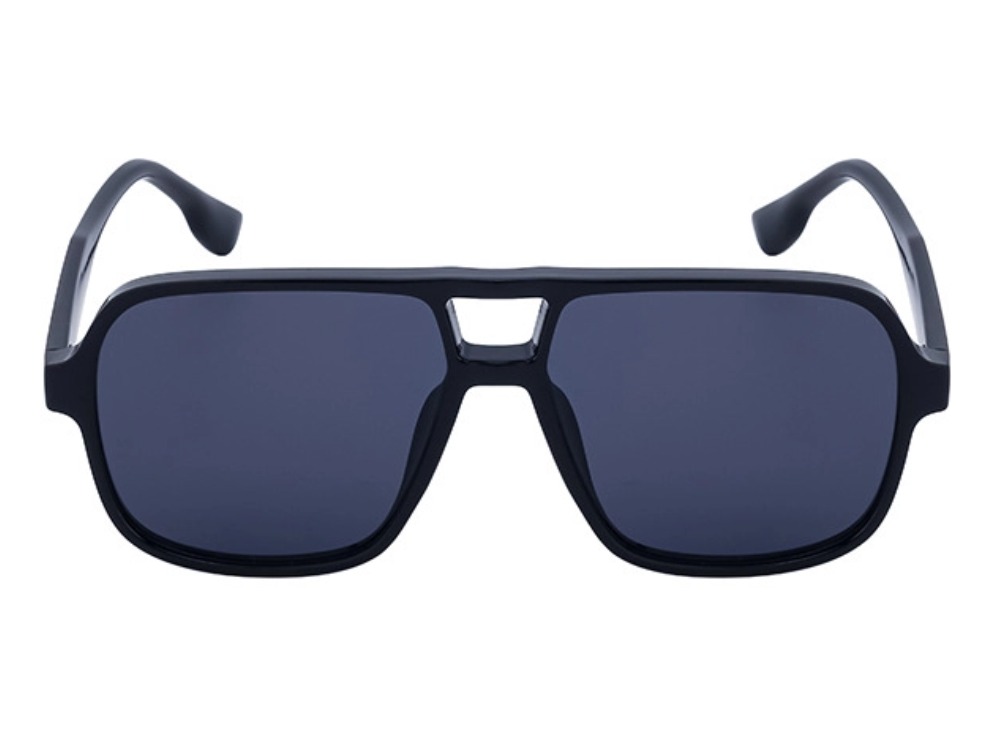
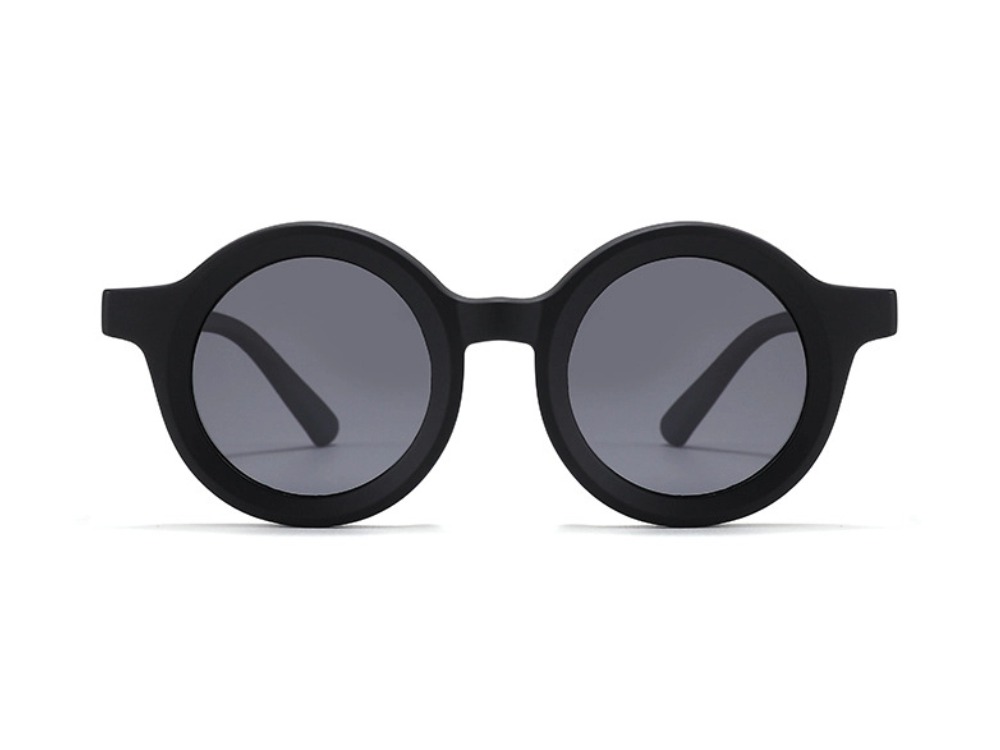
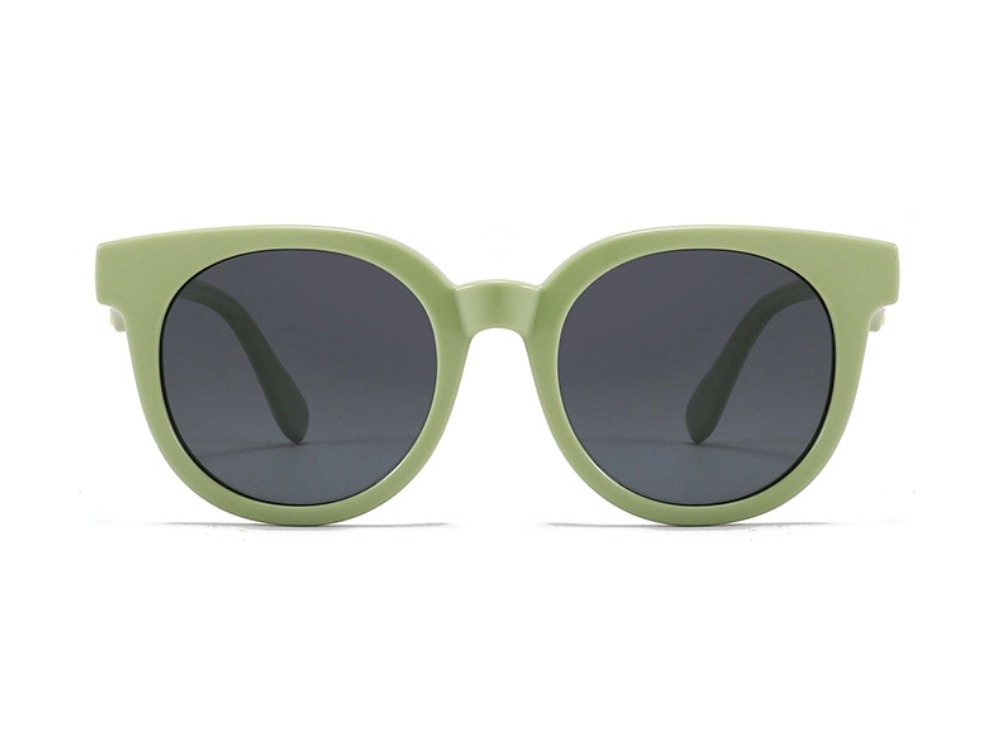
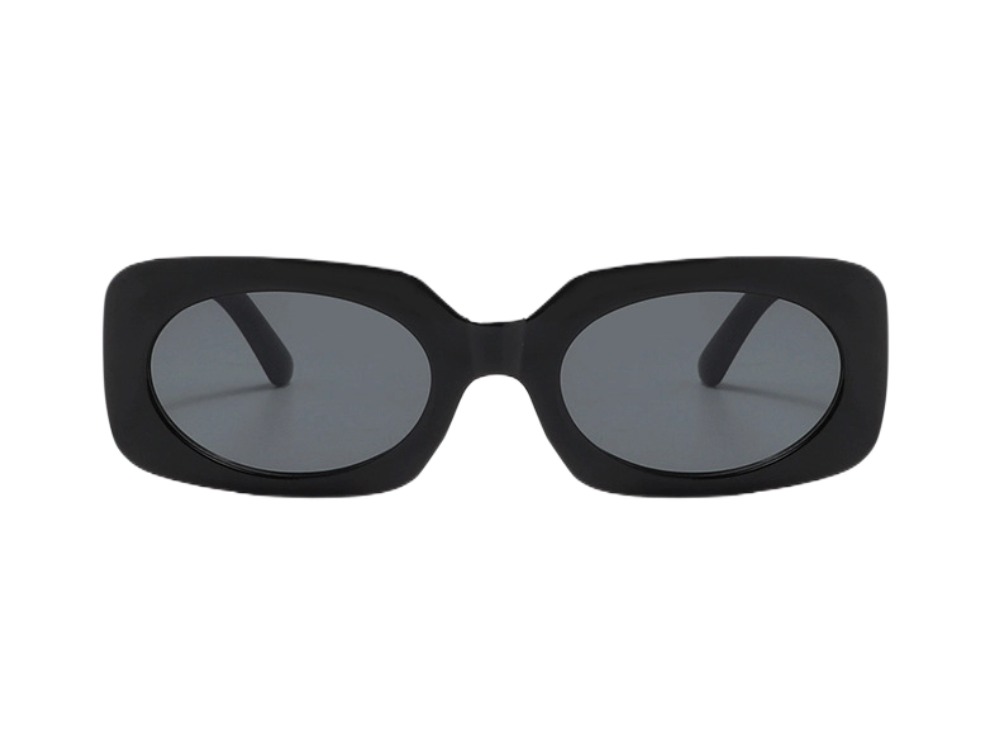
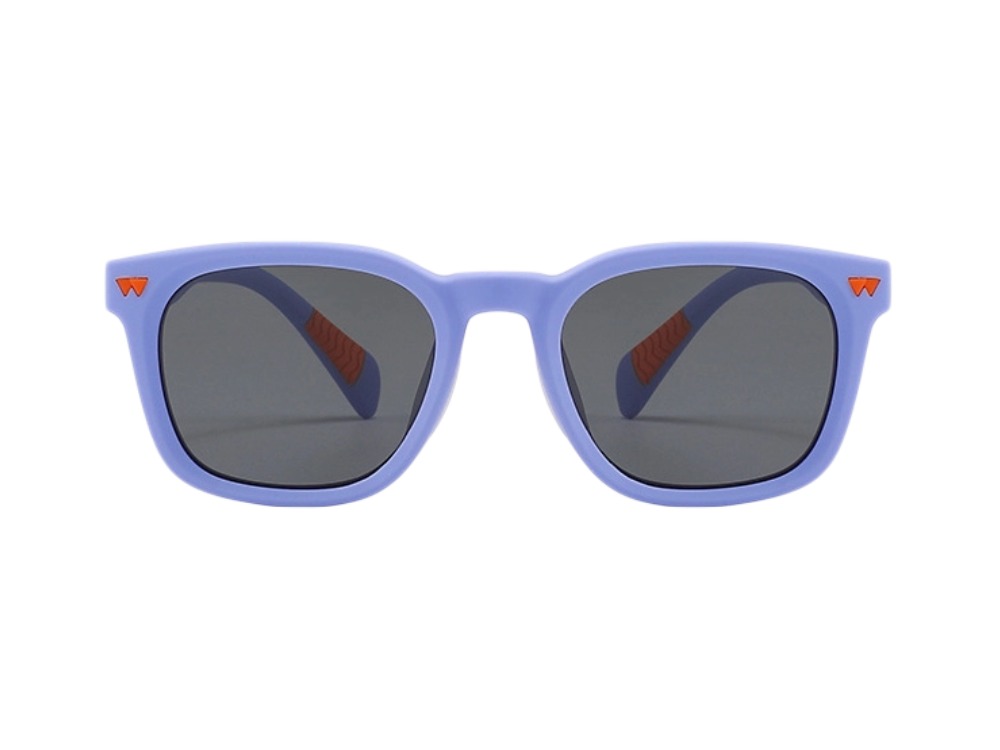
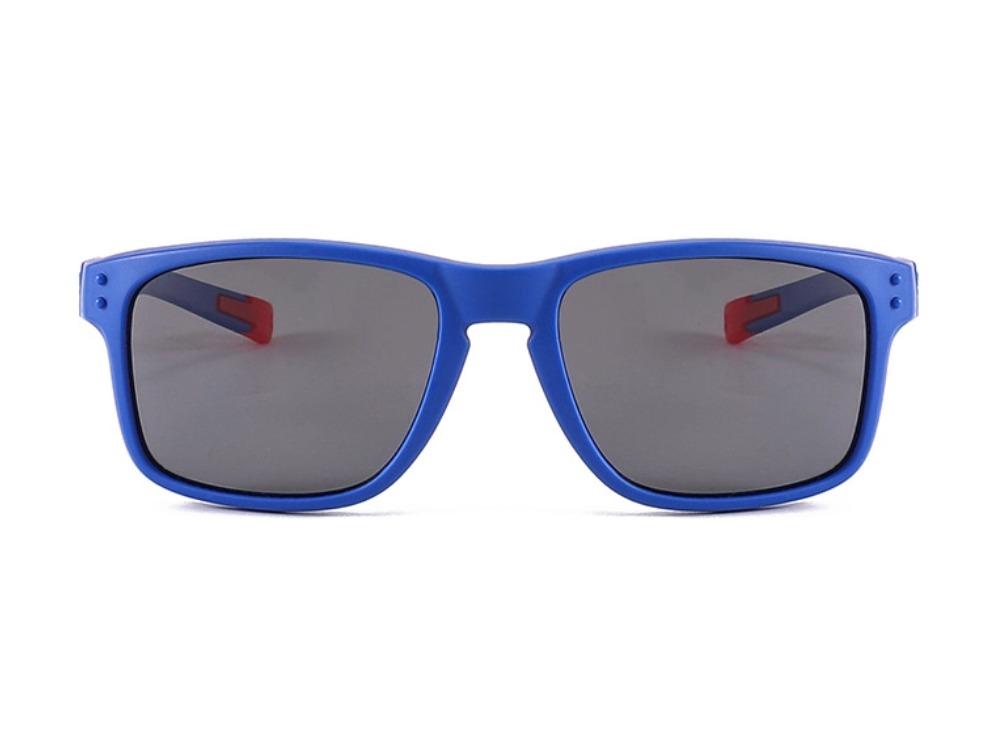
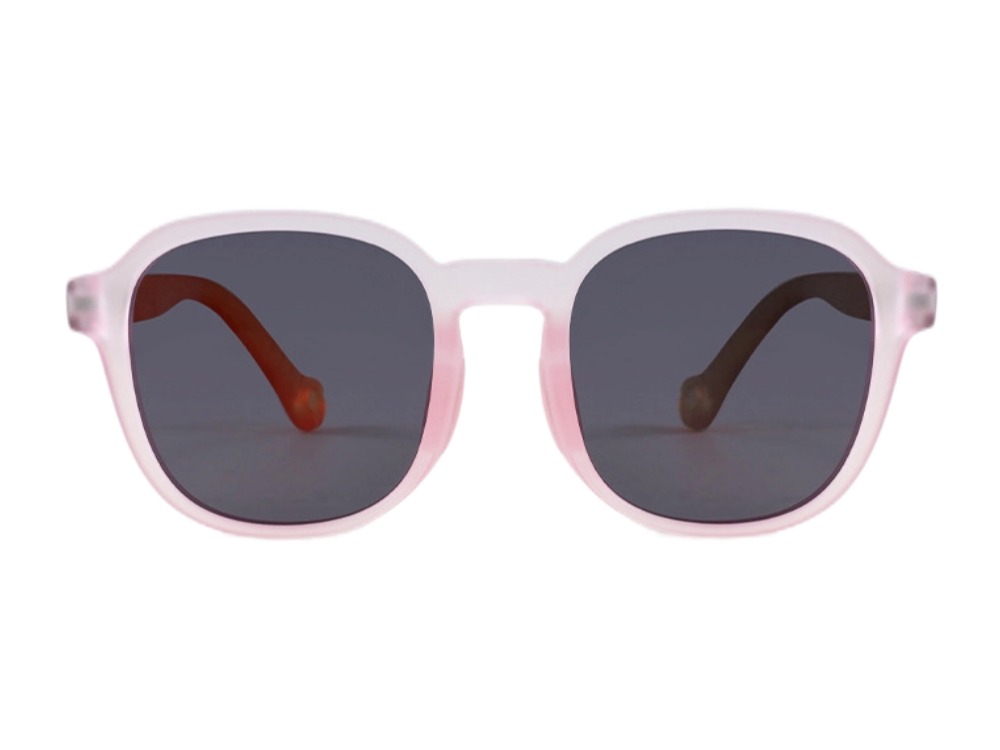
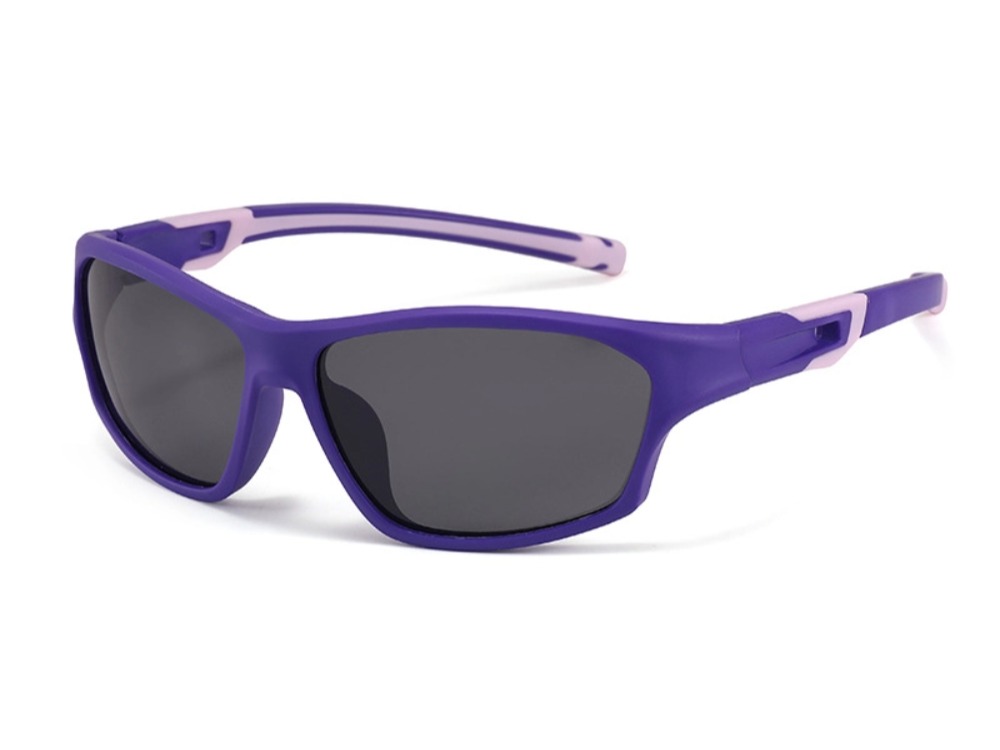
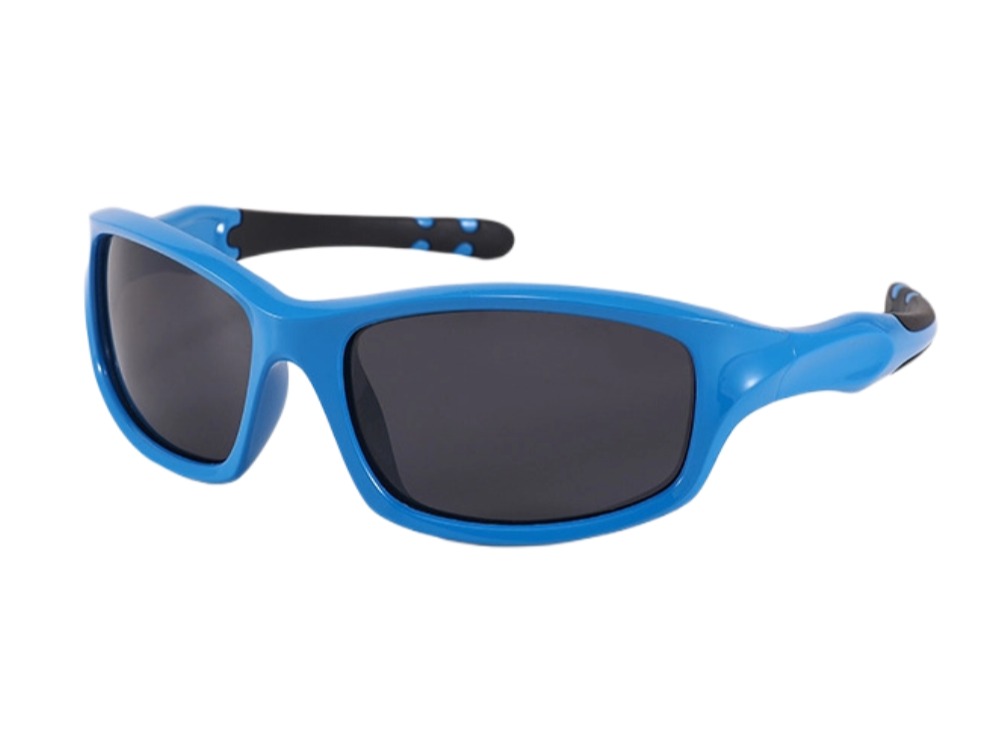
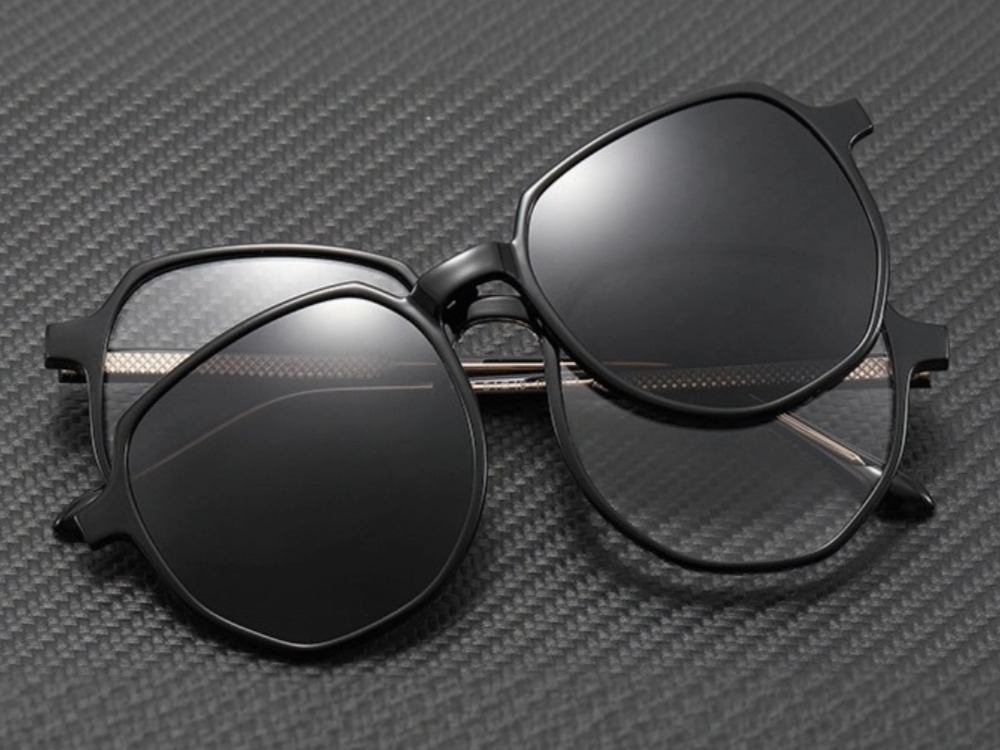
Active kids need to see clearly and protect their eyes from the sun. The question is: at what age can they start wearing prescription sports sunglasses? The answer depends on face fit, activity level, and lens safety. For most children, the ideal window falls between 5 and 13 – old enough to wear them reliably, young enough to build lifelong habits. But every child is different. Below are five key points to help you decide.
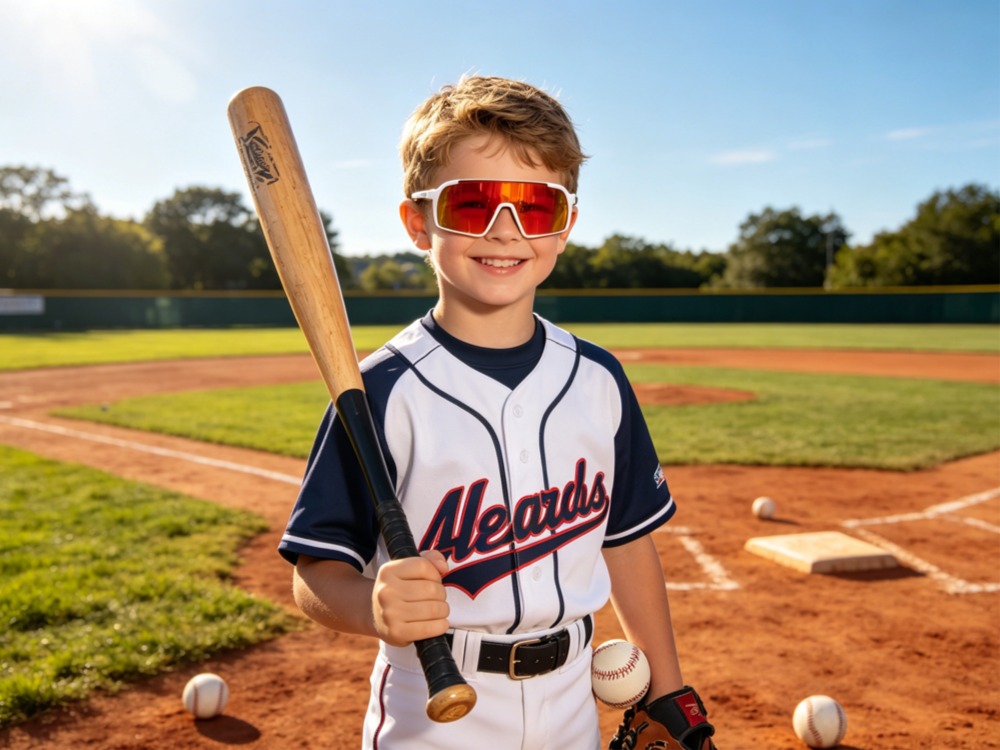
Eye development and age milestones
A child’s vision changes rapidly until age 6‑7, then slows down. Prescription sports sunglasses are safe at any age, but the child’s ability to keep them on is what matters.
- Under 2 years – Rarely needed. Only if a doctor prescribes for significant refractive errors.
- 2‑3 years – Possible but challenging. Most toddlers pull glasses off. Use soft, strap‑on goggle styles if you try.
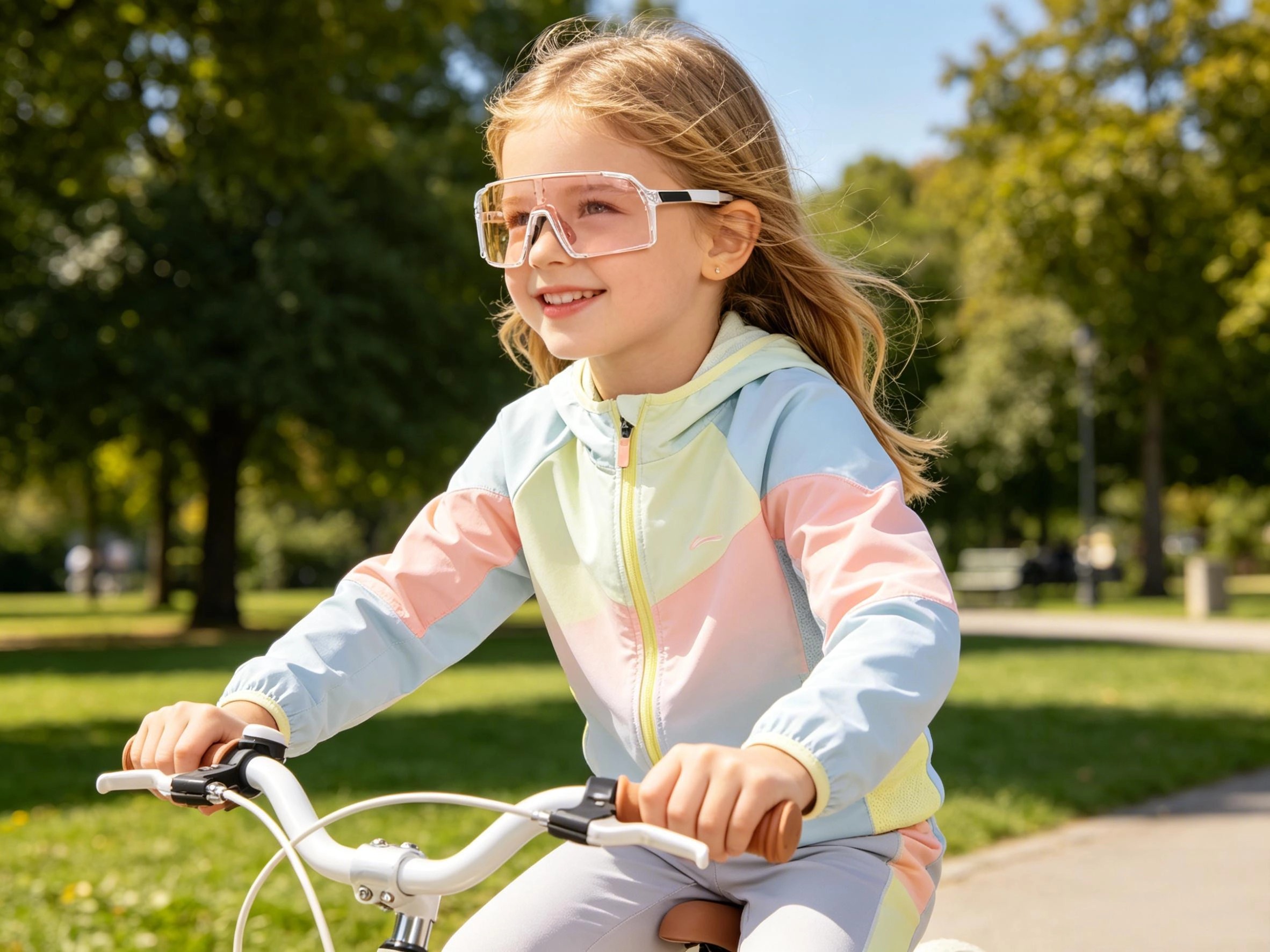
- 4‑5 years – Earliest practical age for many children. They can wear small sports frames with a silicone head strap.
- 6‑7 years – Ideal starting age. Kids this age follow routines well and can wear youth‑sized sports sunglasses without constant supervision.
- 8 years and older – Standard use. Most children can wear small adult frames, often without a strap, for most outdoor sports.
- By the time a child reaches the 5‑13 range, they are typically ready for regular use. But the right age ultimately depends on the individual child.
Fit matters more than age
A child’s nose bridge is not fully developed until around age 10‑12. That is why fit is the number one safety factor, regardless of age.
- Good fit signs - The frame stays put when the child runs or jumps. Adjustable nose pads allow customization. The frame is lightweight. A silicone head strap is helpful for younger or very active children.
- Poor fit signs - Glasses slide down constantly, leave red marks, or touch the cheeks. The child repeatedly removes them.
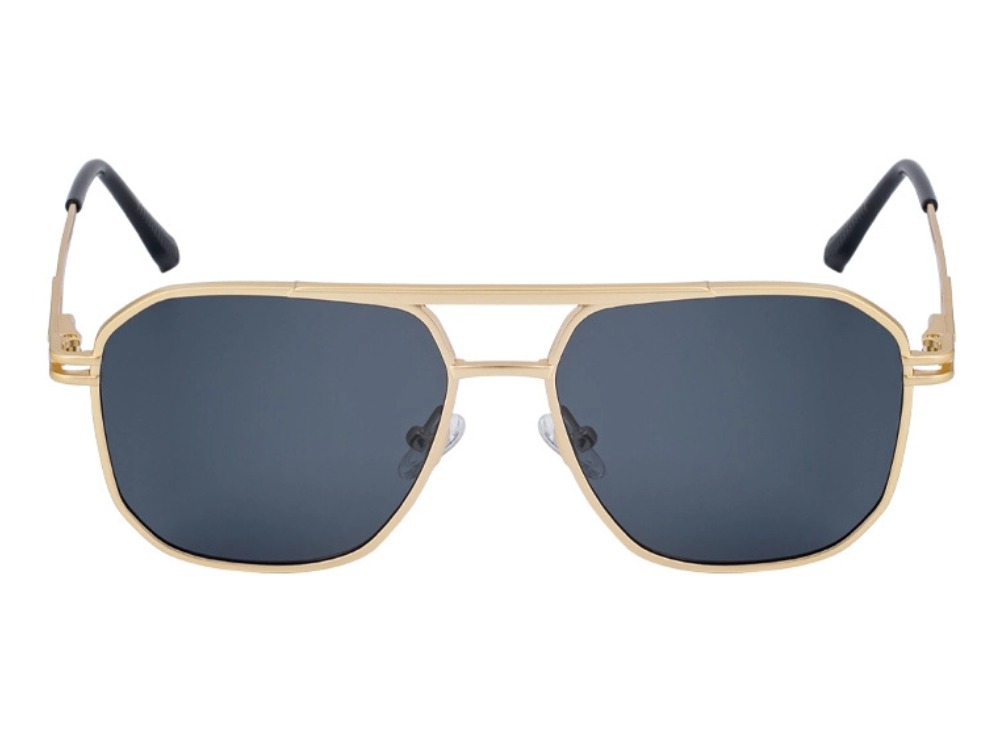
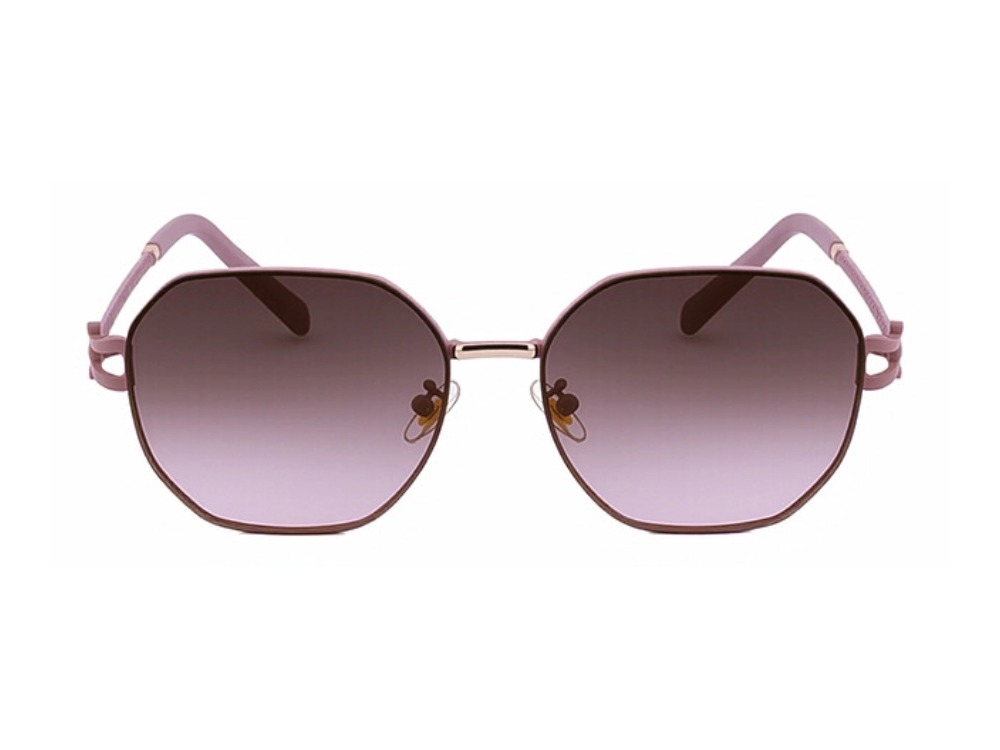
For children under 5, choose flexible rubber frames or strap‑on goggles. For ages 5‑10, look for youth‑specific frames with adjustable nose pads. From age 10 onward, many small adult frames fit well.
Lens safety rules – non‑negotiable
Children’s sports sunglasses must meet higher safety standards than adult sunglasses. There is no compromise here.
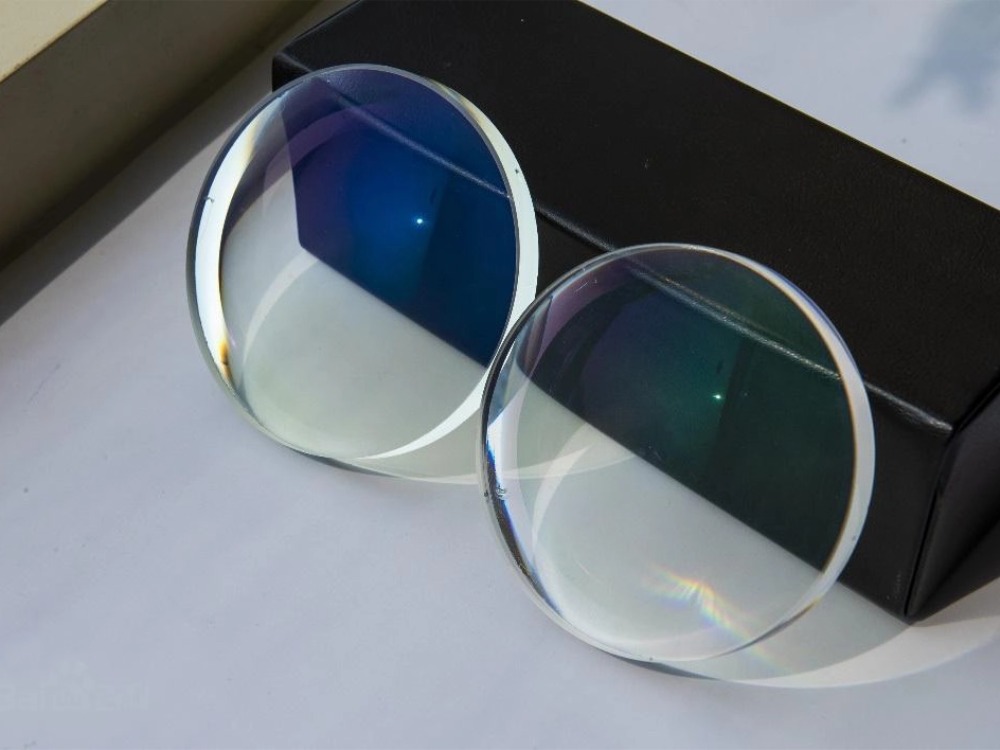
- The only lens material to use is polycarbonate.
It is shatterproof, impact‑resistant, and blocks 100% of UV rays. Glass and CR‑39 lenses can shatter on impact – never use them for active children. - Coatings matter
A scratch‑resistant coating is almost necessary. For children under 5, avoid mirror coatings that can peel off. Simple, solid tints are safer. - Polarized vs. Photochromic
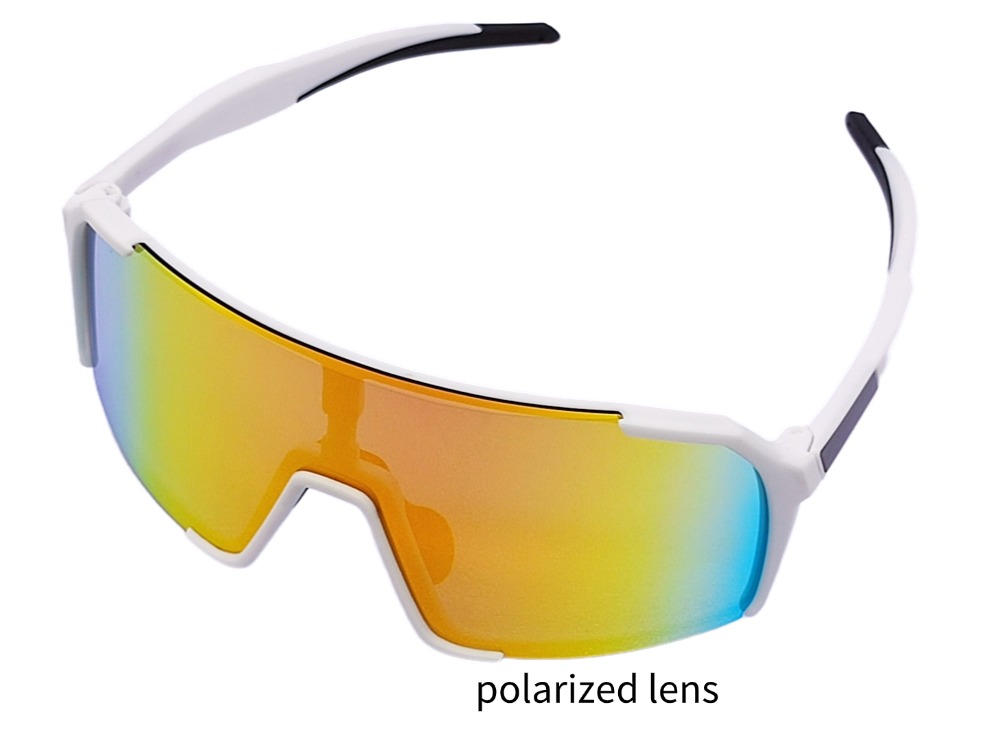
Polarized lenses are excellent for reducing glare on fields, snow, or water. Photochromic (transition) lenses are safe, but some parents prefer fixed tint for consistency. For young kids, fixed tint is simpler.
Quick tips for parents
- Start early with short trials.
Let a toddler wear non‑prescription sports sunglasses for a few minutes at a time. Once comfortable, introduce prescription versions. - Check fit every 6‑12 months.
Children’s heads grow fast. Adjust nose pads and temple lengths as needed. - Buy a spare pair.
Kids break, lose, or scratch things. A backup saves stress. - Let the child choose frame colors.
They are far more likely to wear glasses they like. - For indoor sports, use separate clear prescription glasses.
Photochromic lenses may not lighten fast enough. - Watch for rejection signs.
If a child constantly removes the glasses, check fit first, then the prescription. If both are correct, try a different frame style.
Final answer
For most children, age 4‑5 is the earliest practical age to start wearing prescription sports sunglasses for regular outdoor activities. By age 6‑7, it becomes easy and routine. The 5‑13 range is where most kids get the most benefit, but every child is unique. Prioritize polycarbonate lenses, a secure fit, and UV400 protection.