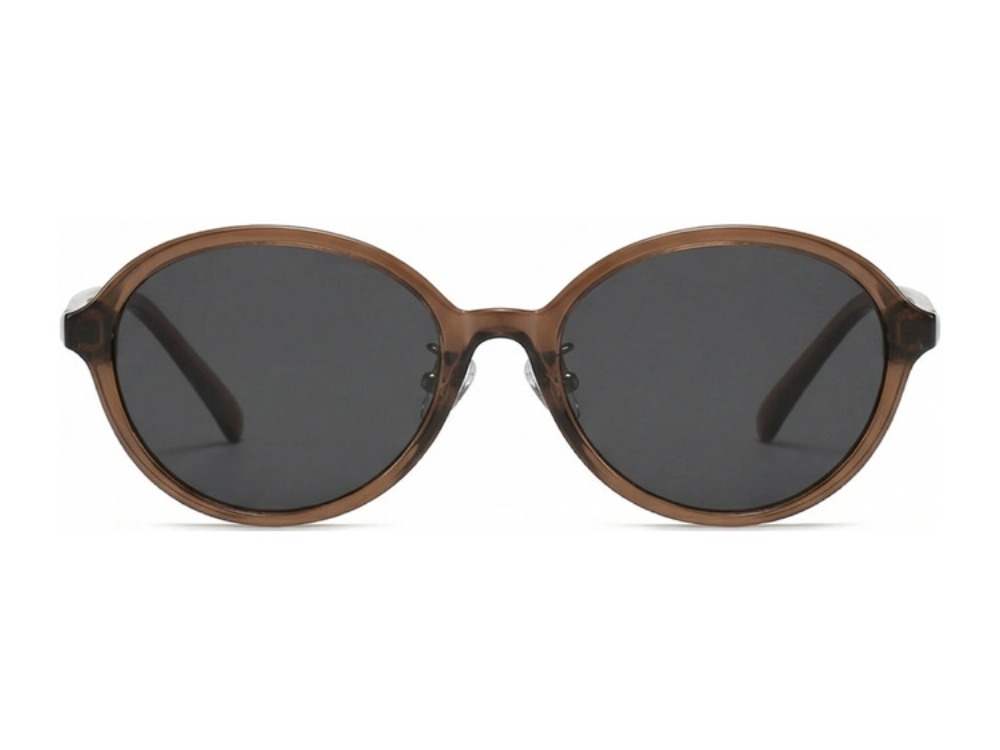
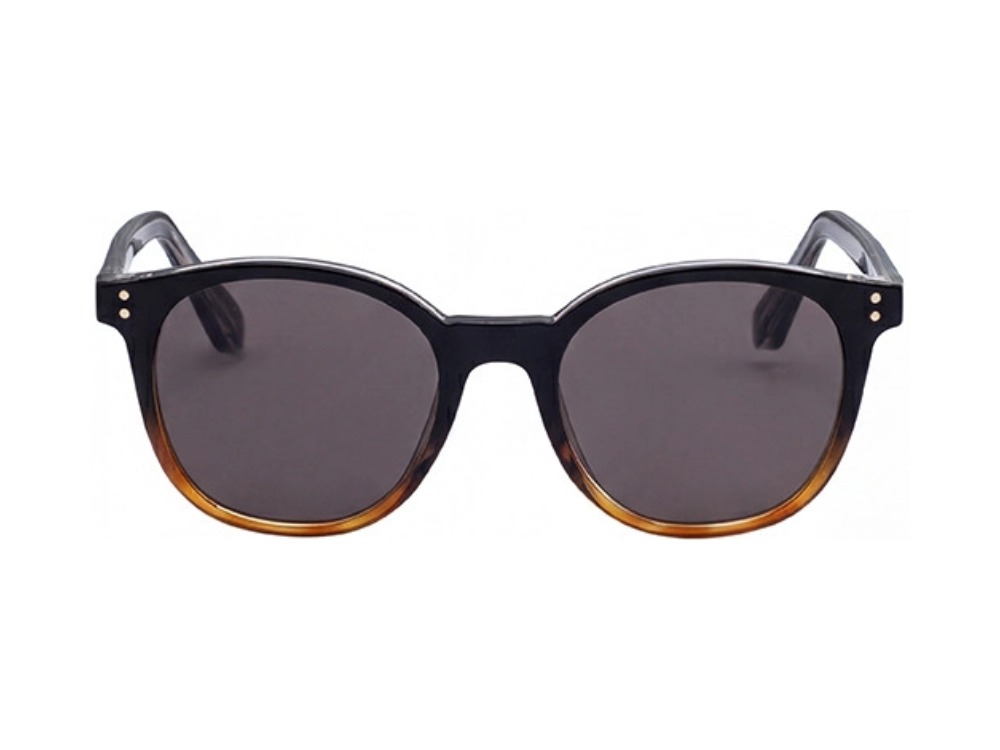
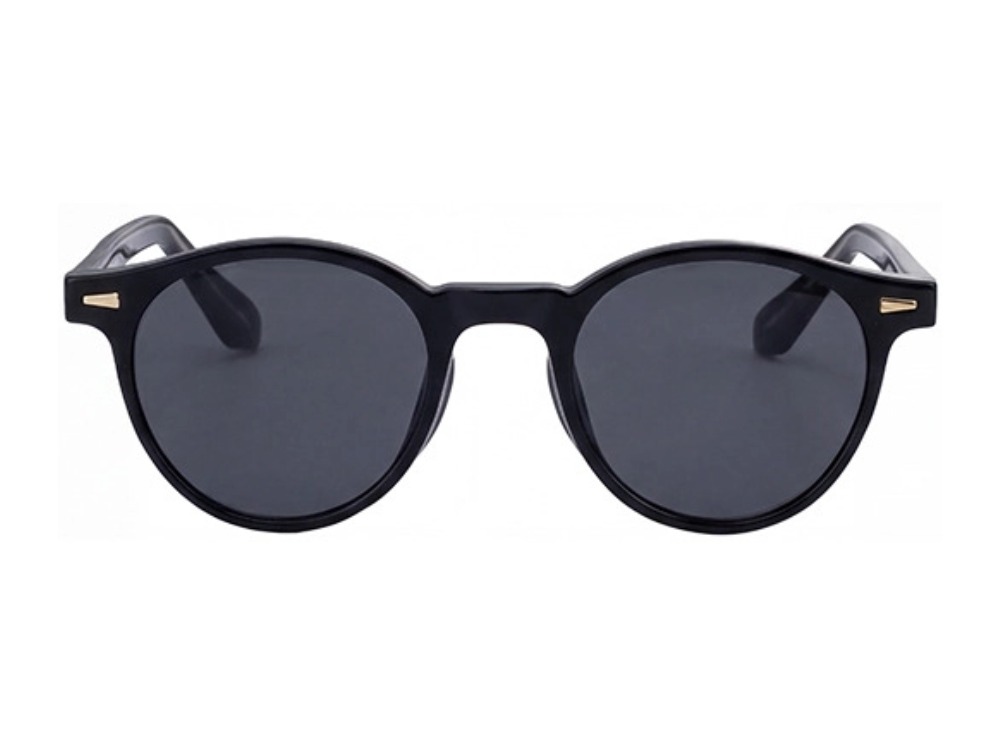
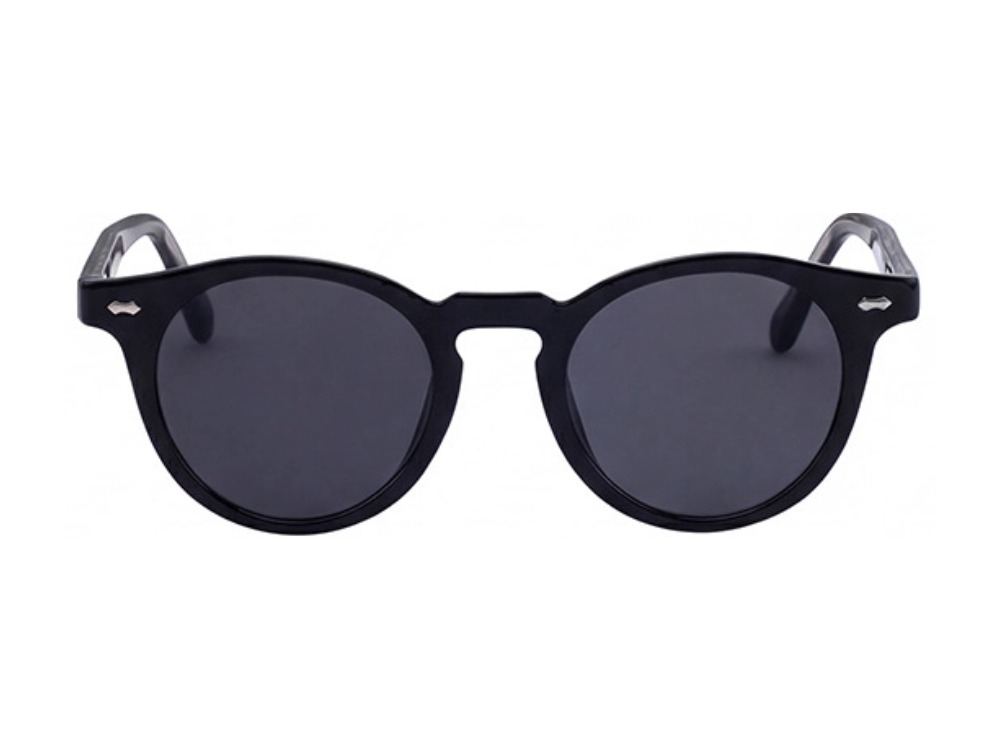
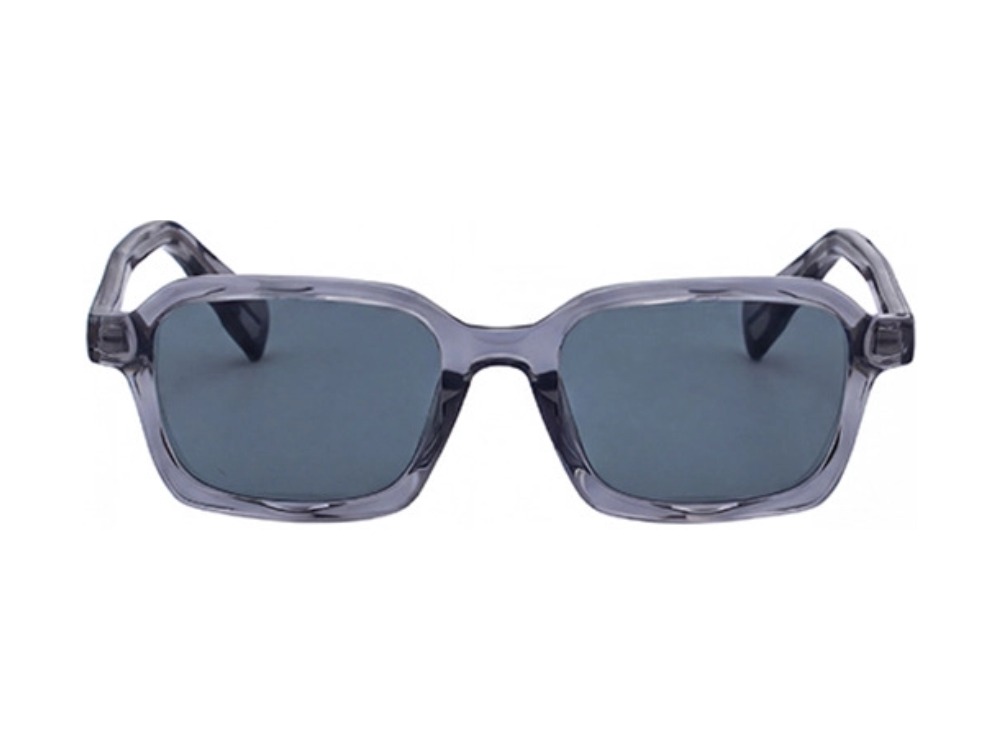
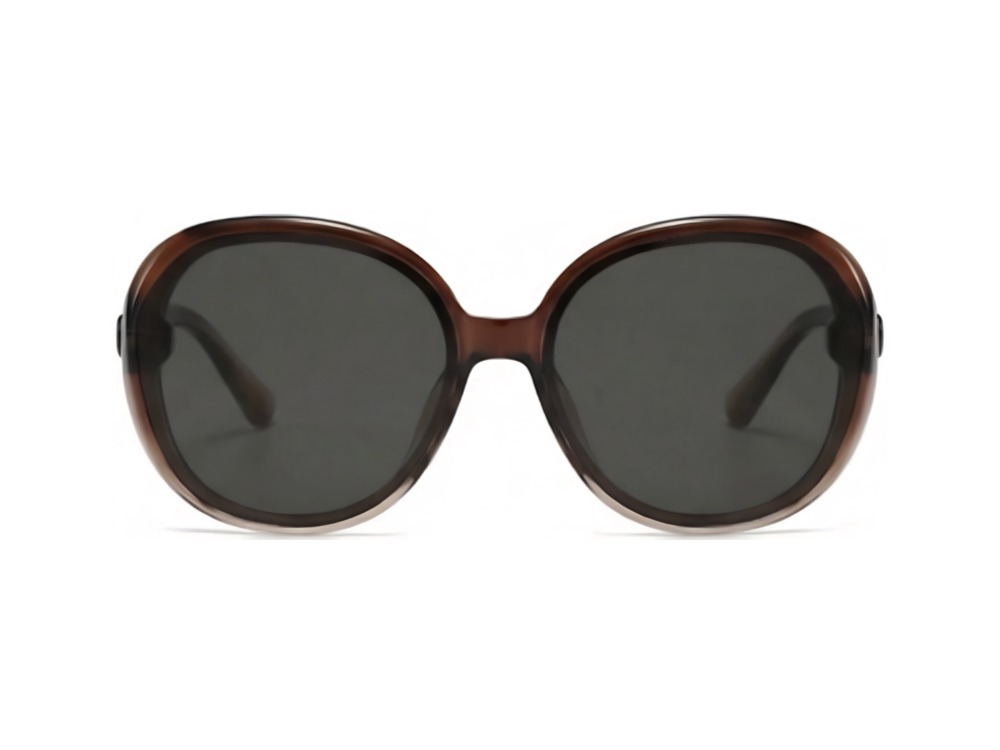
Lens thickness matters beyond appearance — it directly shapes visual clarity, comfort, and daily wear performance. There are tradeoffs between thinness, optical quality, and cost, and thinner is not always better.
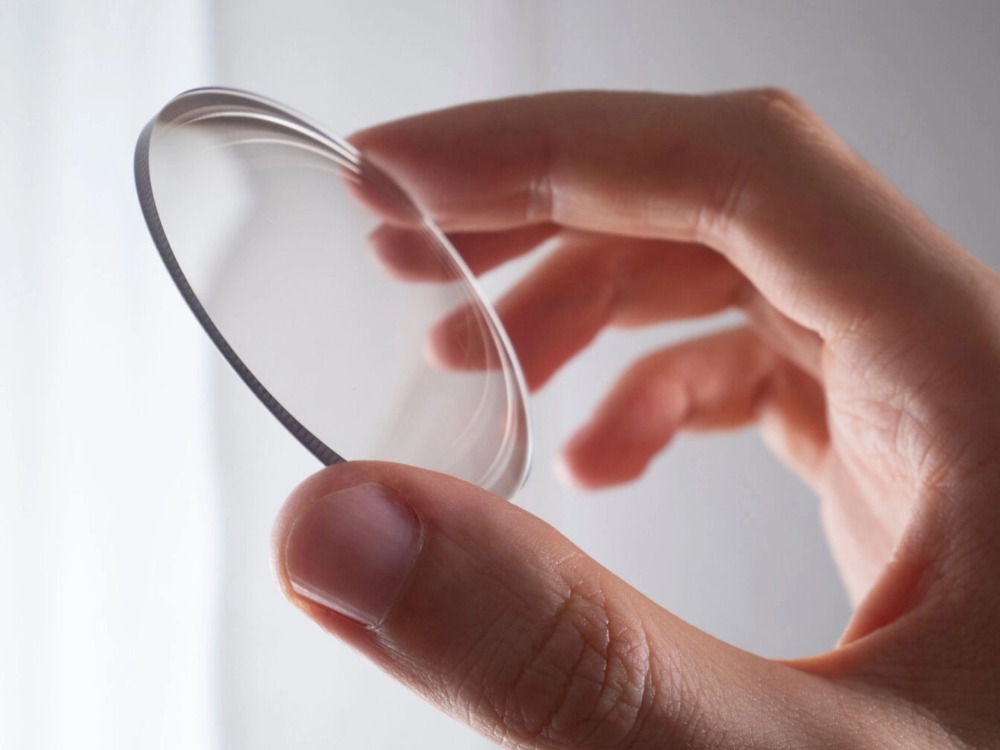
What determines lens thickness
- Prescription power: Higher prescriptions require thicker lenses. Myopia lenses are thickest at the edges; hyperopia lenses are thickest at the center.
- Refractive index: Higher-index materials bend light more efficiently, so they achieve the same correction with thinner material.
- Frame size: Larger frames exaggerate edge thickness, especially for strong myopia prescriptions.
- Lens design: Aspheric designs reduce overall thickness compared to basic spherical lenses.
How thickness impacts your vision
- Peripheral distortion: Thicker lenses amplify the edge prism effect, causing more visible warp and a “swimming” sensation when turning your head. Thinner lenses deliver more natural peripheral vision.
- Fit sensitivity: Thick lenses are far less forgiving of frame slippage or slight PD misalignment, which easily triggers eye strain and dizziness. Thinner lenses have a wider tolerance for small fit shifts.
- Color clarity: Ultra-thin high-index lenses usually have lower Abbe values, which can create faint color fringing around bright objects. Standard-thickness lenses typically offer truer, more natural color perception.
- Indirect fatigue: Heavier thick lenses slip down the nose more often, keeping optical centers misaligned and causing steady daily eye strain. Lighter thin lenses stay in place better for consistent clear vision.
Common myth: Thinner ≠ better vision
For low prescriptions (under ±2.00D), standard lenses deliver sharper, more color-accurate vision at a lower cost. Thinner lenses provide the most noticeable benefits for medium and high prescriptions, where they drastically cut weight and distortion.
Quick selection guide
- Low prescriptions (±2.00D or less): 1.56 index, best clarity and value
- Medium prescriptions (±2.00 to ±4.00D): 1.61 index, thinner with minimal clarity loss
- High prescriptions (above ±4.00D): 1.67 or 1.74 high-index, significantly reduces thickness and distortion
Pro tip: Smaller full-rim frames hide thick lens edges very effectively.
Final takeaway
The best thickness option balances clarity, comfort, and appearance for your exact prescription. Match the lens index to your power, and pair with a well-fitted frame for the best all-around results.