20/40 vision means you can see at 20 feet what a person with “normal” 20/20 vision can see at 40 feet. In other words, your distance vision is about half as sharp as average. An object that looks clear to someone with normal vision from 40 feet away is only clear to you when you move up to 20 feet away. 20/40 is below the standard for normal visual acuity but is still mild vision loss.
How 20/40 Vision affects daily life
Without glasses:
- You can recognize faces across a room (maybe slightly blurry).
- You can watch TV from 8–10 feet away, but text may be fuzzy.
- You might not see small print on menus or road signs until you are close.
- Night driving can be more difficult because low light reduces contrast further.
With glasses or contacts:
Most people with 20/40 can be corrected to 20/20 easily with a mild prescription. Once corrected, there is no practical difference in daily activities.
Can 20/40 vision improve?
- If caused by refractive error (nearsightedness, farsightedness, astigmatism): Glasses or contact lenses will bring you to 20/20 instantly. LASIK or PRK can permanently fix it.
- If caused by early cataracts: No exercise or glasses will fully restore 20/20 – only cataract surgery.
- If caused by corneal irregularity: Rigid gas permeable (RGP) contacts or scleral lenses may help.
- If it’s your natural eyesight: You cannot “train” your eyes from 20/40 to 20/20 with eye exercises. That is a myth.
Do you need glasses for 20/40 vision?
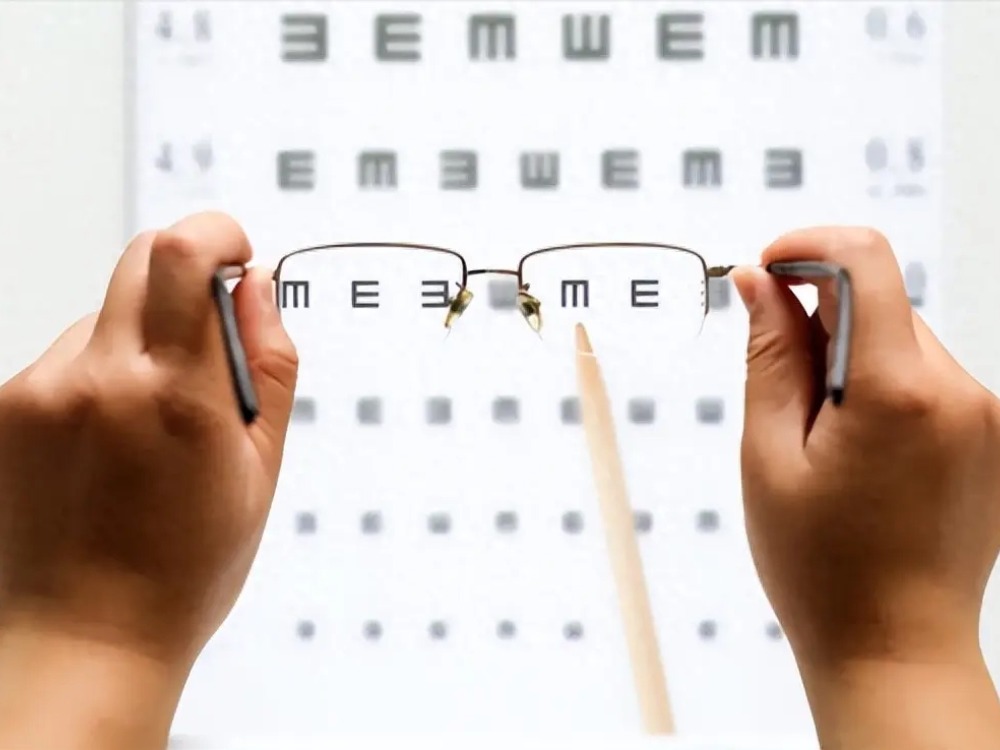
It depends on your lifestyle and local laws.
- You might not need glasses if:
- You do not drive (or driving is not affected).
- You feel comfortable reading, watching TV, and recognizing faces.
- Your job does not require sharp distance vision.
You should consider glasses if:
- You drive frequently, especially at night or on highways.
- You are a student who needs to see the blackboard from the back.
- You experience eye strain, squinting, or headaches.
- You want the sharpest vision possible for safety and comfort.
- Many people with 20/40 wear glasses only for driving, movies, or watching sports – not all the time.
20/40 vision is mild nearsightedness or slightly reduced sharpness. It is not a disability. Most people with 20/40 live fully independent lives, drive legally, and only need glasses for specific tasks. A simple pair of glasses can correct 20/40 to 20/20 with no effort. The most important step is to get a comprehensive eye exam to rule out underlying eye disease.