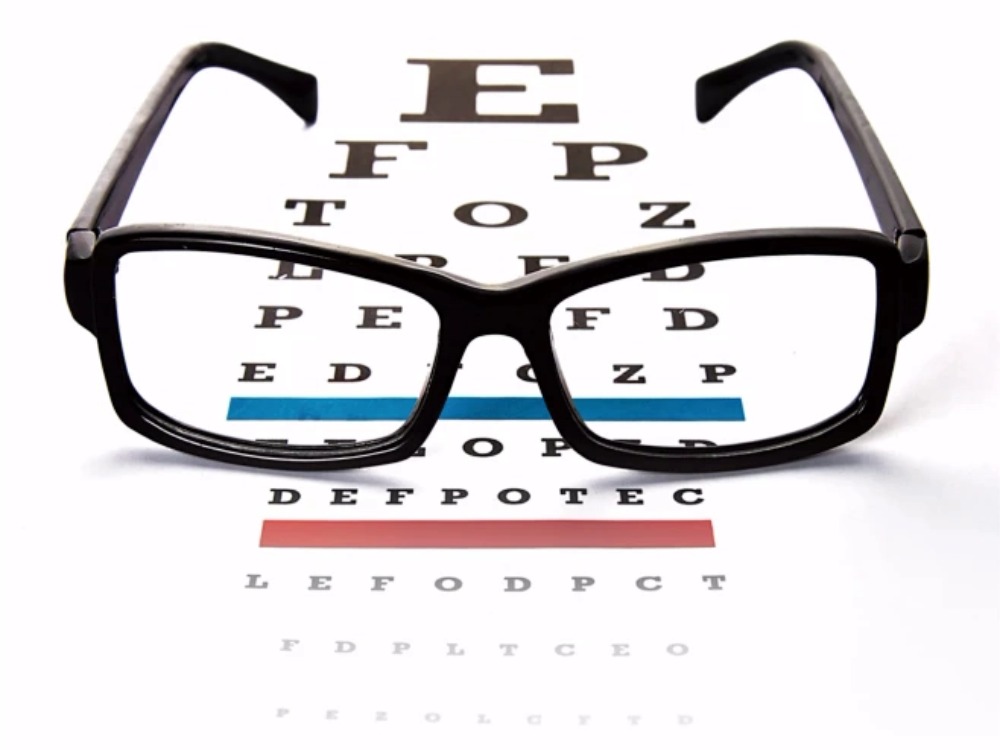
20/20 vision is a term that describes normal visual acuity – the sharpness and clarity of your eyesight at a distance. If you have 20/20 vision, you can see an object clearly from 20 feet away that a person with “standard” vision can also see from 20 feet away.
Why “20/20” does not mean perfect vision
Many people mistakenly believe 20/20 equals perfect eyesight. In reality, it only measures one specific skill: how well you recognize high‑contrast letters at a distance. It does not measure:
- Peripheral vision (side vision)
- Depth perception (3D vision)
- Color vision
- Contrast sensitivity (seeing in dim light or fog)
- Eye teaming (how well both eyes work together)
- Focusing flexibility (switching between near and far)
A person with 20/20 vision can still have poor night vision, trouble reading, or difficulty seeing subtle contrasts.
Common myths about 20/20 vision
- Myth 1: “If you have 20/20, you never need an eye exam.”
Truth: Eye exams check for more than acuity – glaucoma, macular degeneration, and diabetic eye disease have no early symptoms. A person with 20/20 can still go blind from these conditions. - Myth 2: “20/20 means you see perfectly.”
Truth: As explained above, 20/20 does not measure peripheral vision, night vision, depth perception, or color vision. - Myth 3: “Children should be tested for 20/20 in school screenings.”
Truth: School screenings are useful but miss many issues. A comprehensive eye exam is still recommended. - Myth 4: “Once you have 20/20 with glasses, your eyes will stay that way.”
Truth: Prescriptions can change over time due to aging, disease, or lifestyle. Regular check‑ups are necessary.
How to test your 20/20 vision at home (informally)
You cannot get an official diagnosis at home, but you can get a rough idea:
- Print a standard Snellen eye chart (available free online).
- Hang it at eye level, 20 feet away (or 10 feet with a mirror).
- Light the chart well (no glare).
- Cover one eye and read down the smallest line you can see.
- Repeat with the other eye.
If you cannot read the 20/20 line correctly, you likely have less than 20/20 vision. However, this is not a substitute for a professional eye exam - many errors come from poor lighting, incorrect distance, or uncorrected astigmatism.
The bottom line
20/20 vision is normal distance visual acuity – not perfect vision. It measures only how well you see at 20 feet. Many people with 20/20 vision still need glasses for reading, computer work, night driving, or eye strain. Visual acuity declines with age, especially near vision after 40. Annual eye exams are important even if you think you have 20/20 vision – they detect eye diseases that do not affect visual acuity until later stages. If you have better than 20/20 (20/15 or 20/10), consider yourself lucky. If you have less than 20/20, glasses or contacts can likely bring you to normal vision. The goal is not perfect vision – it is comfortable, functional vision for your daily activities.