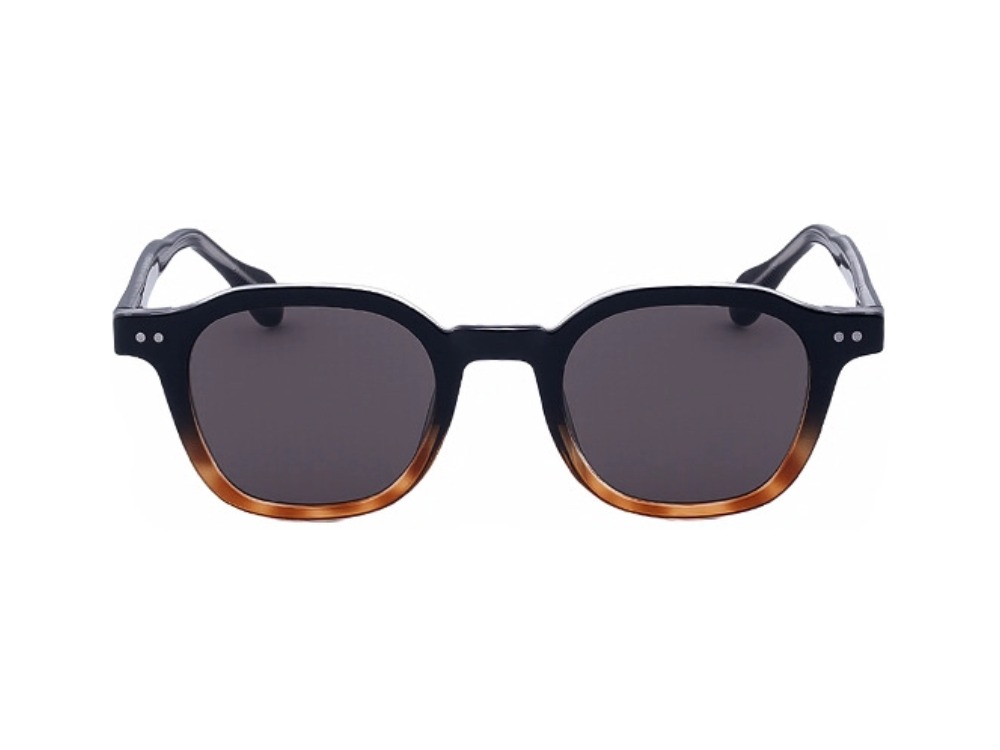
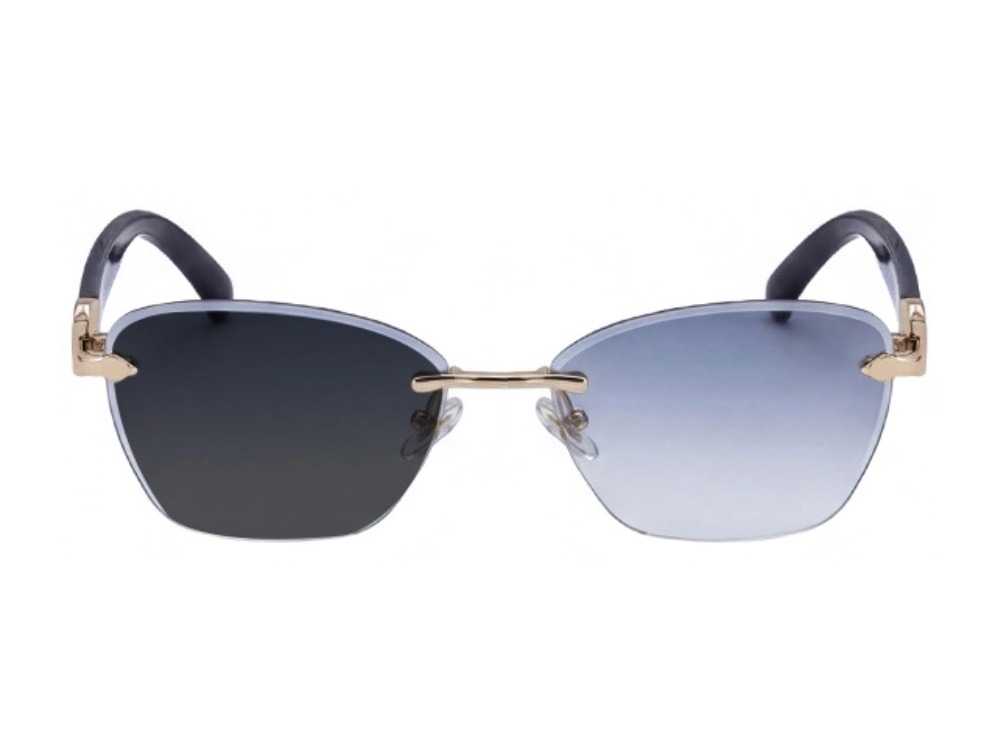
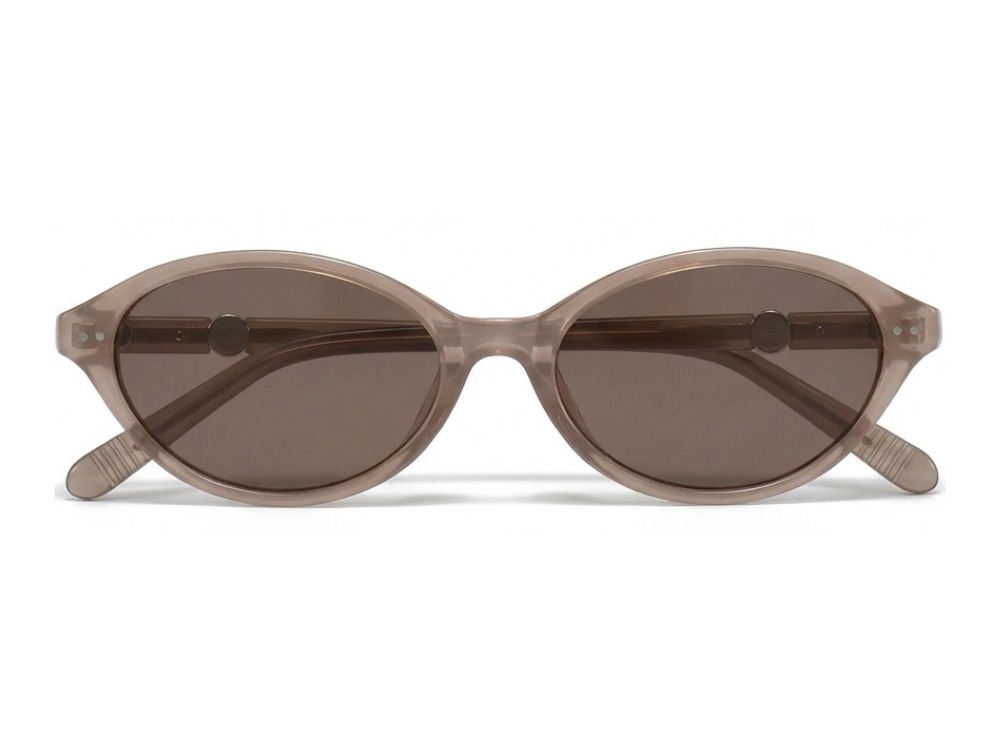
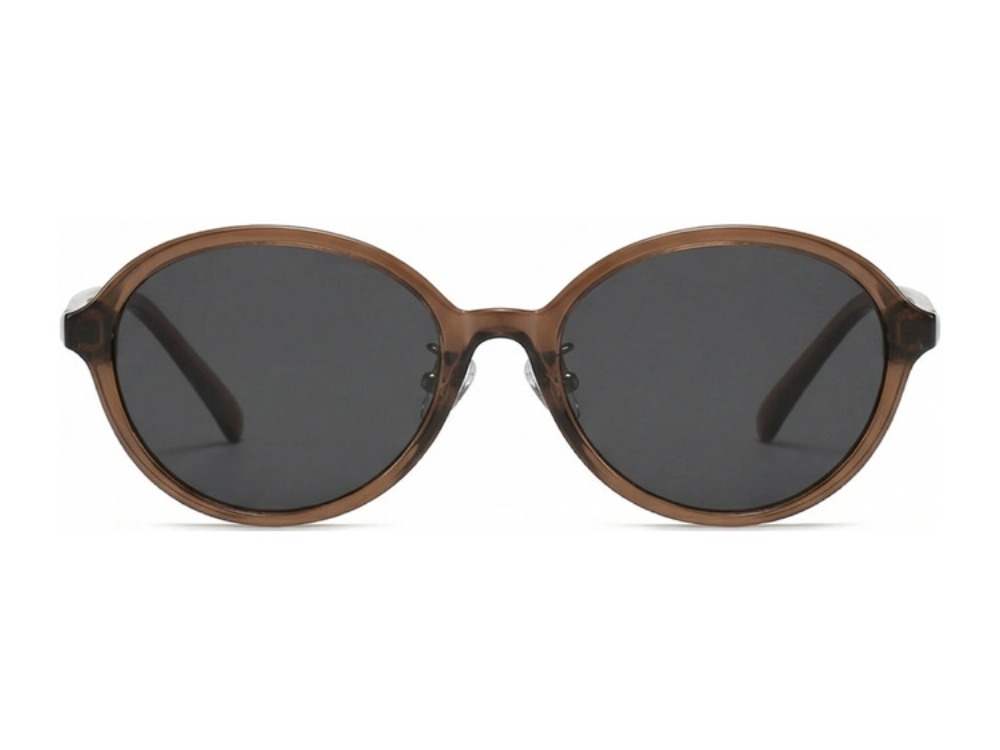
You're trying to pick a new pair of sunglasses or prescription eyewear, and three lens types come up: polarized, photochromic, and fixed tint. Which one actually fits your daily life?
This guide breaks down every angle – convenience, visual quality, real‑world activities, prescription needs, and the ultimate setup – so you can pick the right lens without wasting money.
How they work
- Polarized – A microscopic "venetian blind" inside the lens blocks glare from reflected light (water, road, glass).
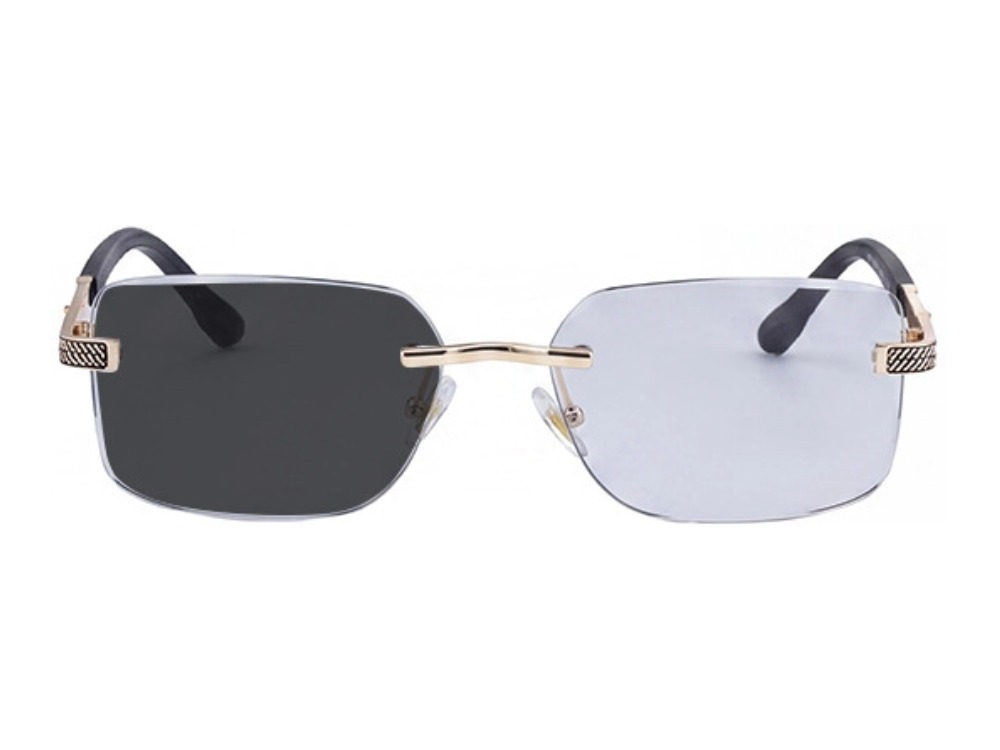
Key feature: Glare killer – super clear view on water or road. - Photochromic – Light‑sensitive molecules darken when exposed to UV and turn clear again indoors.
Key feature: One lens for indoors & outdoors – auto tint. - Fixed tint – Color pigments are mixed into the lens material or coating; the tint depth never changes.
Key feature: Simple, reliable, endless color and style options.
Light adaptation & everyday convenience
- Indoor → outdoor transition
Polarized: ❌ Must remove (too dark indoors)
Photochromic: ✅ Automatic, seamless
Fixed tint: ❌ Swap glasses or suffer - Coming out of a tunnel
Polarized: ⚠️ Stays dark – fine
Photochromic: ⚠️ 2‑5 min delay – briefly blinding
Fixed tint: ⚠️ Fixed darkness – too dark inside tunnel - Night use
Polarized: ❌ Absolutely dangerous
Photochromic: ✅ Clear – can be worn as regular glasses
Fixed tint: ❌ Any tint reduces night vision - Works inside a car?
Polarized: ✅ Polarization works fine
Photochromic: ✅ Barely clear (windshields block UV)
Fixed tint: ✅ Tint stays the same – fine for driving
Visual quality & special situations
- Glare reduction (water, snow, road, glass)
Polarized: ⭐⭐⭐⭐⭐ – kills reflections completely.
Photochromic & fixed tint: ⭐⭐ – only dim overall brightness, cannot eliminate directional glare. - Viewing screens (phone, GPS, dashboard)
Polarized: ⚠️ Major drawback – screen may turn black or rainbow.
Photochromic & fixed tint: ✅ No problem – just darker. - Color accuracy
Polarized: Excellent (gray/brown/green, natural).
Photochromic: Great (clear indoors; gray/brown when dark).
Fixed tint: Depends on color – gray/brown good; red/blue/yellow distort colors.
Best lens for your activity
- Daytime driver – Best: Polarized.
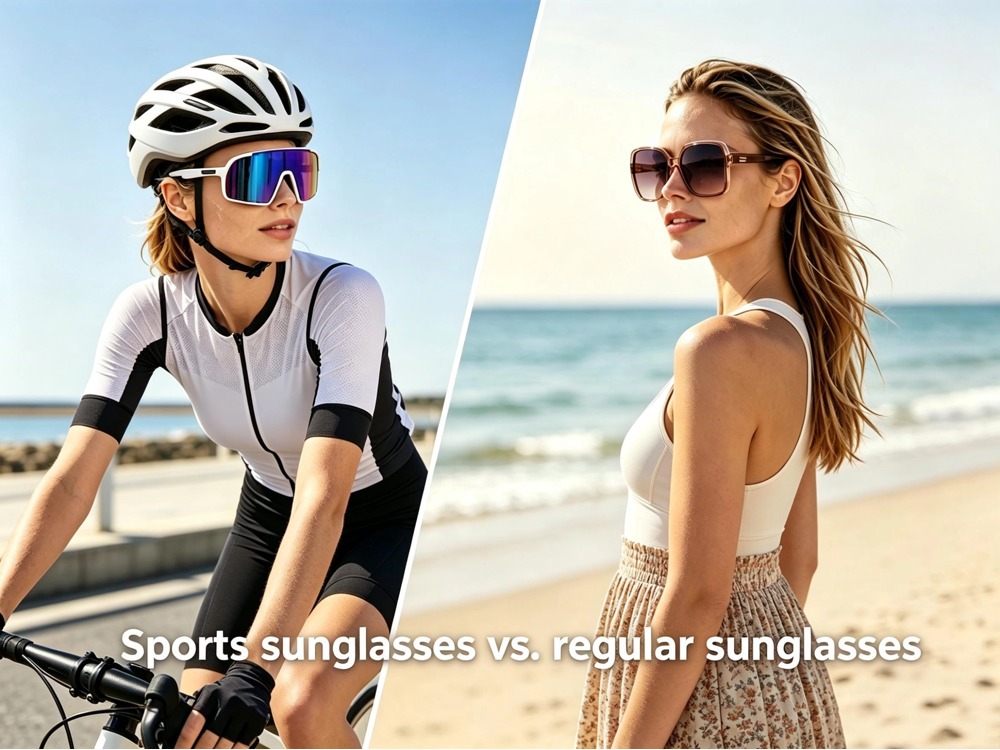
- Road cyclist / runner – Best: Photochromic.
- Fishing / boating / beach – Best: Polarized.
- Office worker – Best: Photochromic.
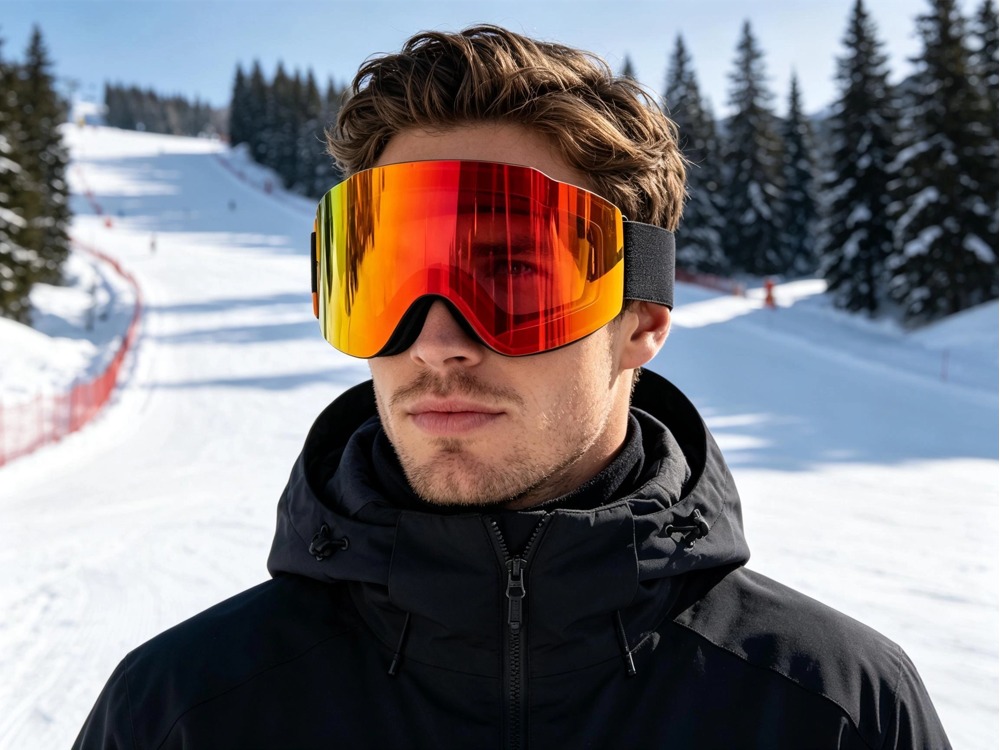
- Skiing / mountaineering – Best: Polarized (cold‑optimized).
- Fashion / street style – Best: Fixed tint (widest color choices).
- Night driving – Best: Clear or photochromic (clear at night).
What if you need prescription?
- Prescription polarized – Yes, available. For high prescriptions, may see rainbow edges.
- Prescription photochromic – Very mature. The best "one‑lens‑for‑all" solution for eyeglass wearers.
- Prescription fixed tint – Simplest and cheapest. Just pick a tint depth.
Tip: Photochromic darkening is temperature‑sensitive – darker in summer, lighter in winter, slower fading in cold. Choose cold‑optimized if you live in a cold climate.
In Short
- Photochromic → For convenience lovers who move between indoors and outdoors all day.
- Polarized → For glare‑obsessed drivers, fishermen, and skiers.
- Fixed tint → For fashion‑first buyers, tight budgets, or those who don't mind carrying two pairs.
No perfect lens exists – only the one that fits your life.