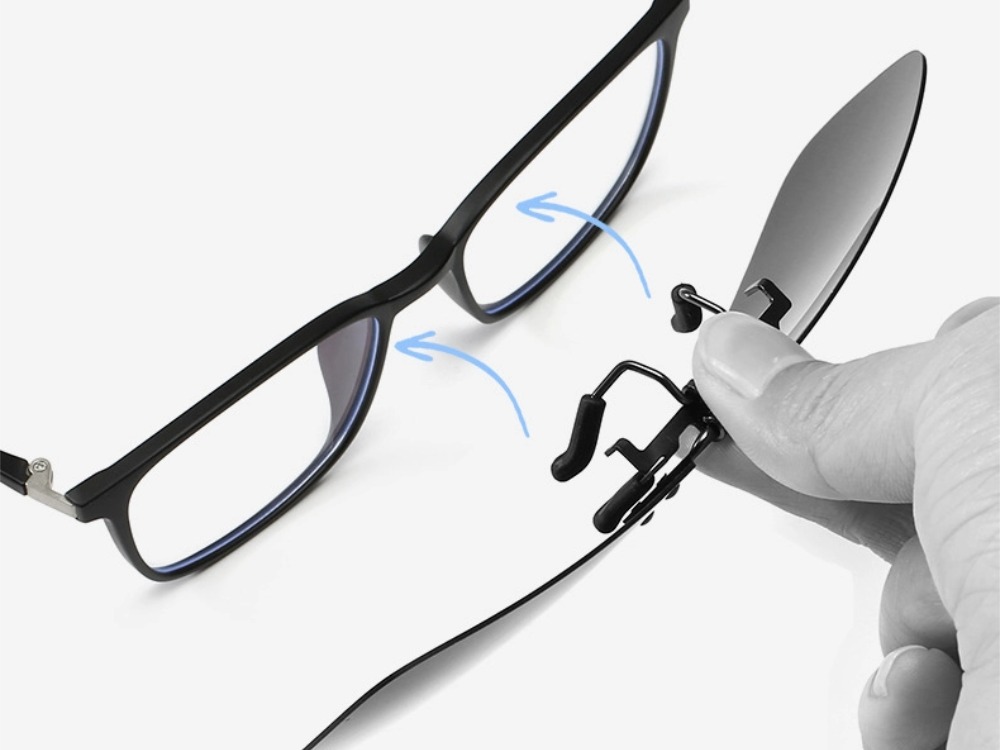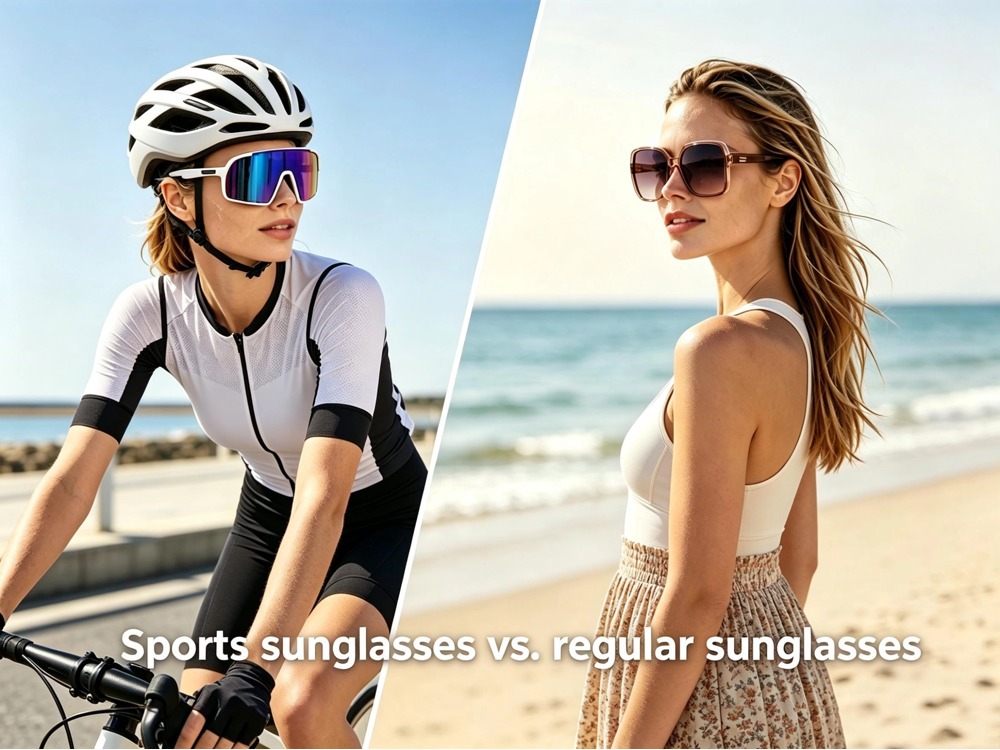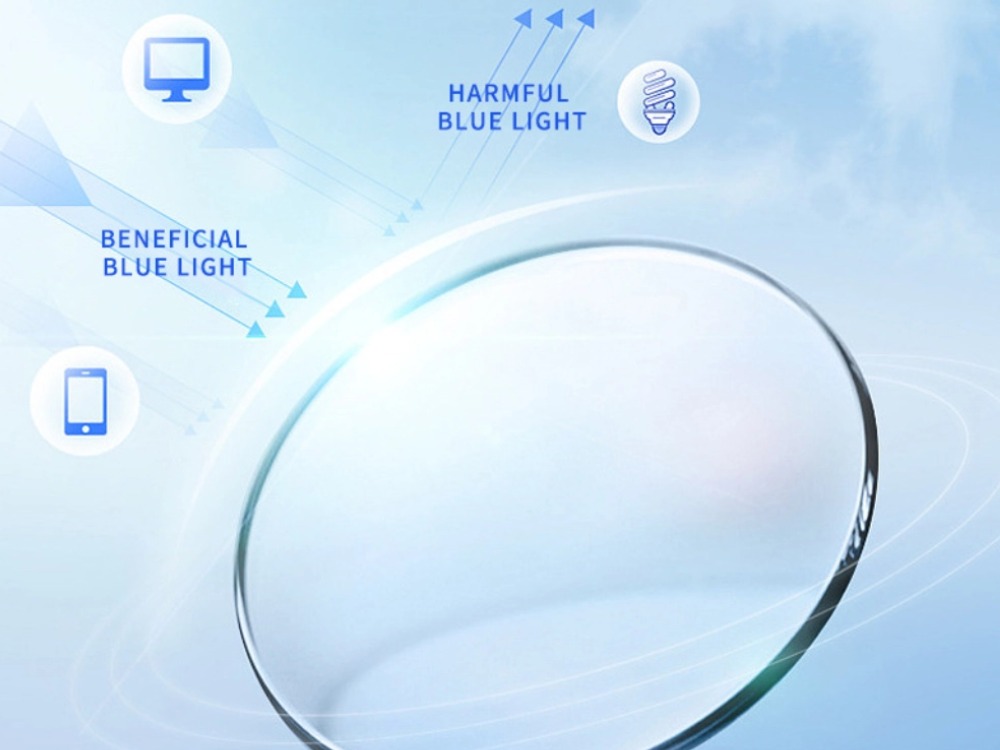
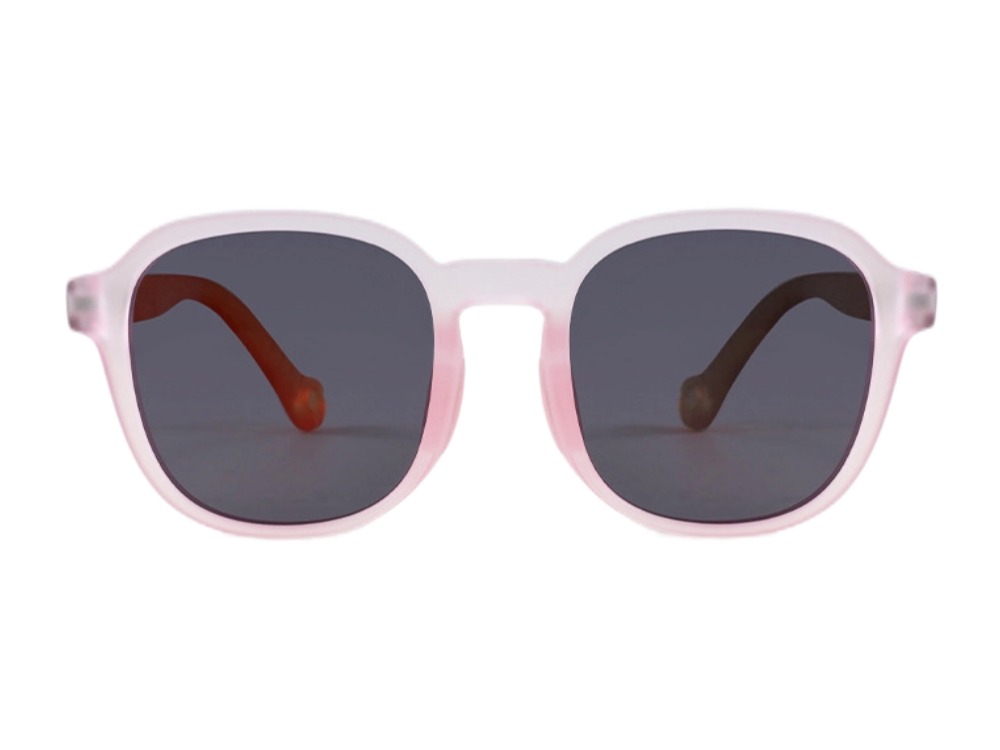
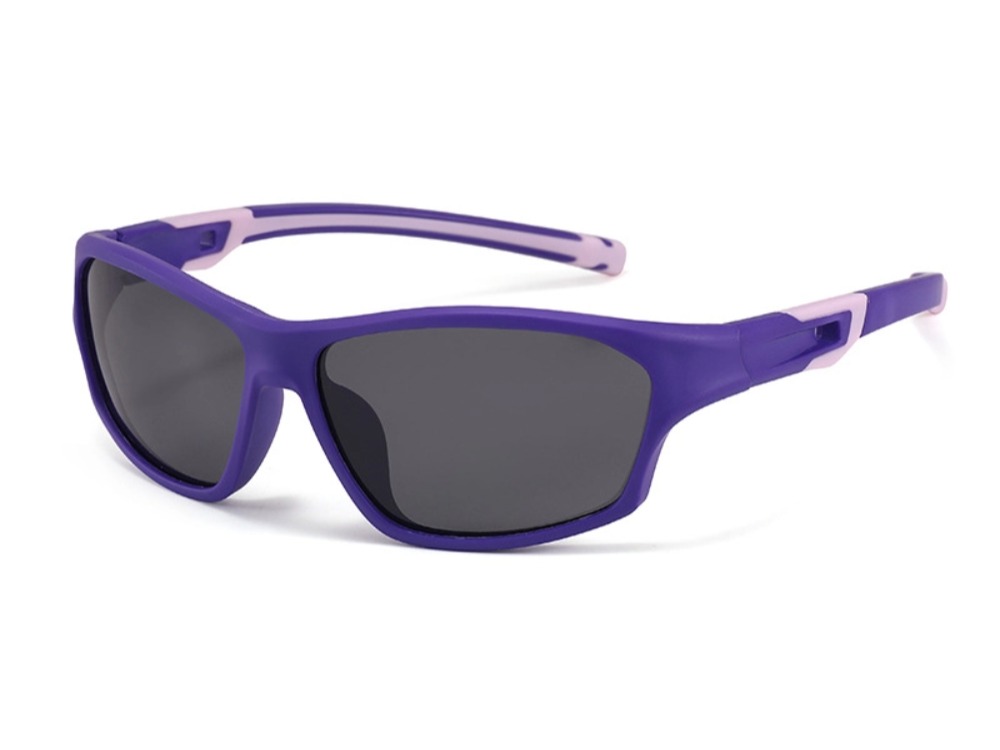
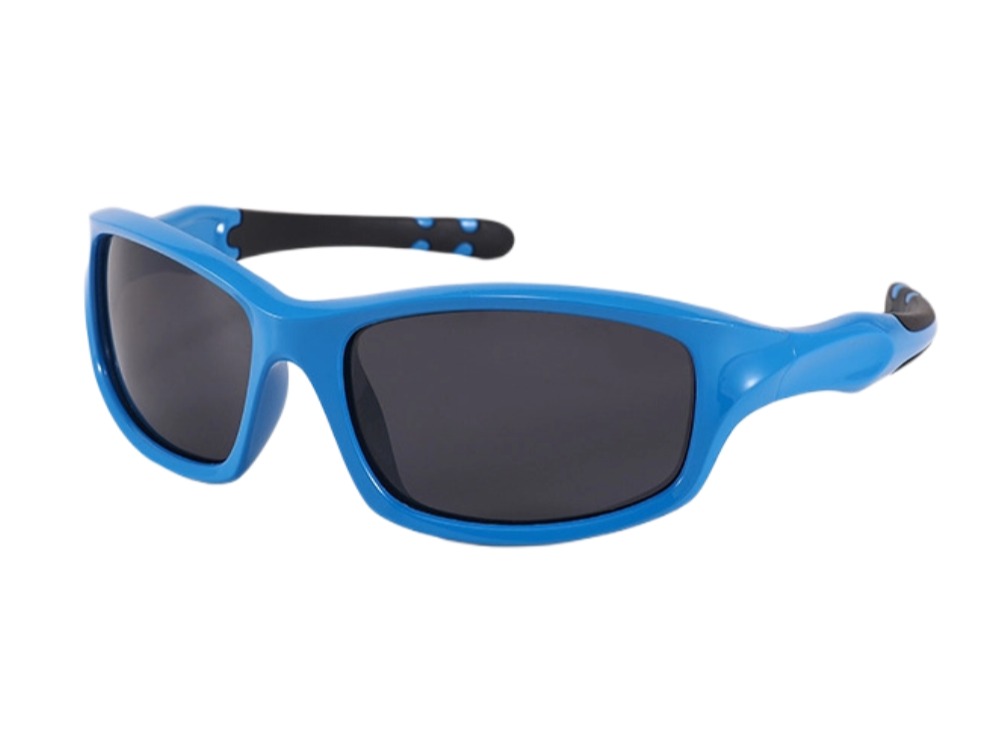
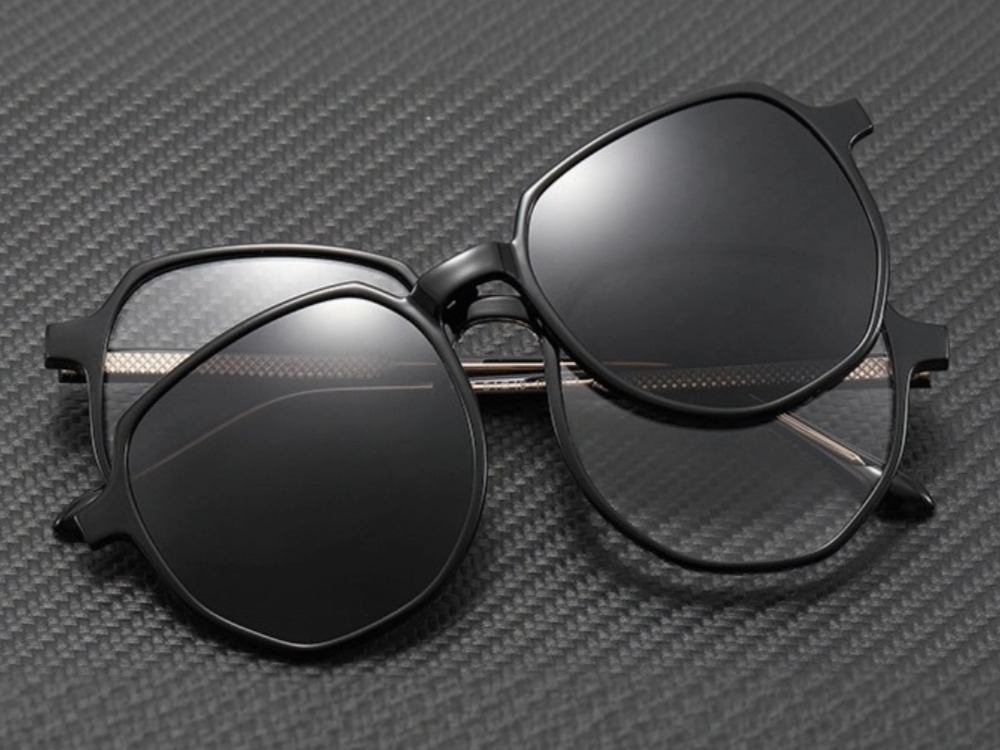
Standard lenses are basic prescription lenses built solely to correct refractive errors (myopia, hyperopia, astigmatism). They focus light accurately onto the retina for clear vision, with no special light-filtering coatings. Blue light filtering lenses are built on standard corrective lenses, with an added anti-blue-light coating or tinted lens material that blocks or absorbs high-energy short-wave blue light from digital screens and LED lighting.

Key Side-by-Side Differences
How they work
- Standard lenses: Only adjust light refraction to fix blurry vision. They transmit all visible light evenly without filtering specific wavelengths.
- Blue light lenses: Use either a reflective surface coating to bounce blue light away, or embedded pigments in the lens material to absorb blue light before it reaches the eye.
Appearance & visual experience
- Standard lenses: Fully clear with zero color distortion. They deliver natural, true-to-life color perception with no tint or reflective sheen.
- Blue light lenses: Clear-coated versions look nearly transparent but show a faint blue/purple reflection under light. Tinted versions have a subtle yellow base and add a warm tone to all vision, with minor color distortion.
Practical benefits
- Standard lenses: Provide accurate vision correction and full visual clarity, with no extra protective features.
- Blue light lenses: Reduce blue light exposure from screens, which may ease digital eye strain and dryness from long screen hours. They also reduce blue light-induced melatonin suppression, which can help improve sleep quality for people who use devices before bed.
Note: Blue light lenses do not cure myopia, prevent eye diseases, or eliminate all eye fatigue. They only address blue light-related strain.
Ideal users
- Standard lenses: Suitable for all users, especially those who spend most of their time outdoors, prioritize true color accuracy, or need general everyday eyewear.
- Blue light lenses: Best for people who spend 6+ hours daily in front of screens (office workers, students), or who frequently use phones/tablets at night before sleep.
Cost
- Standard lenses have the lowest base price and are widely available at all budget levels.
- Blue light lenses cost 10%-30% more than equivalent standard lenses due to the extra coating or specialized material.
Quick Decision Guide
- Choose standard lenses if you want natural color perception, spend lots of time outdoors, need general all-purpose glasses, or want the most budget-friendly option.
- Choose blue light filtering lenses if you work long hours at a computer, use devices late at night, or regularly feel eye tiredness after screen time.
Final Takeaway
Standard lenses are the reliable, cost-effective baseline for vision correction. Blue light lenses are a targeted upgrade for heavy digital screen users, not a universally better option. Pick based on your daily screen time and lifestyle, not marketing claims.