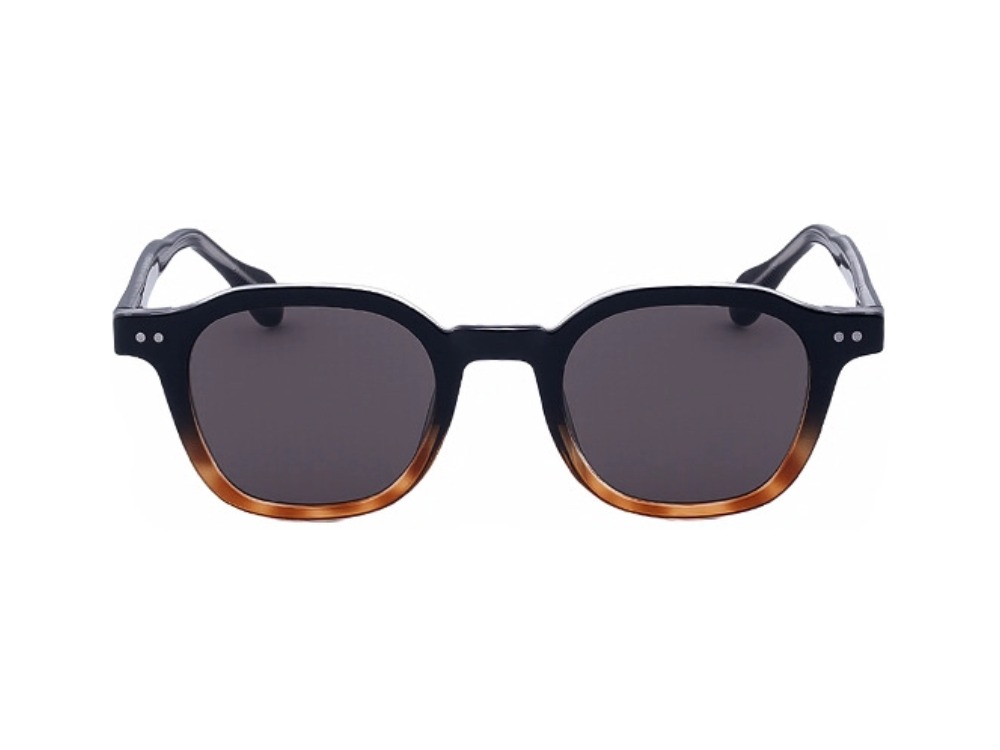
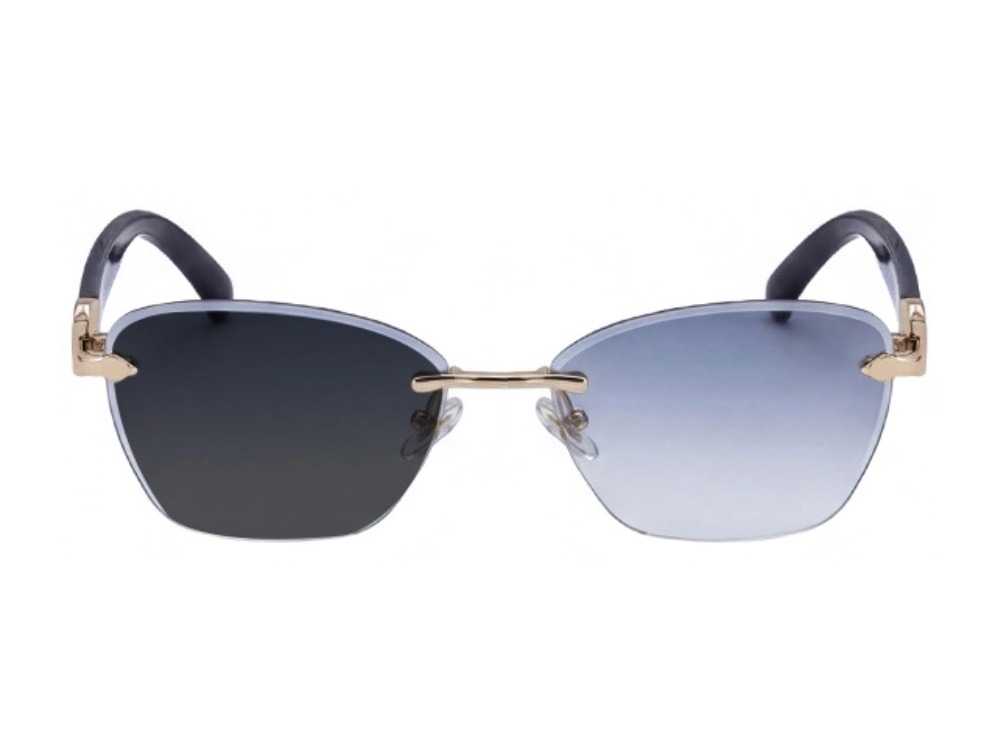
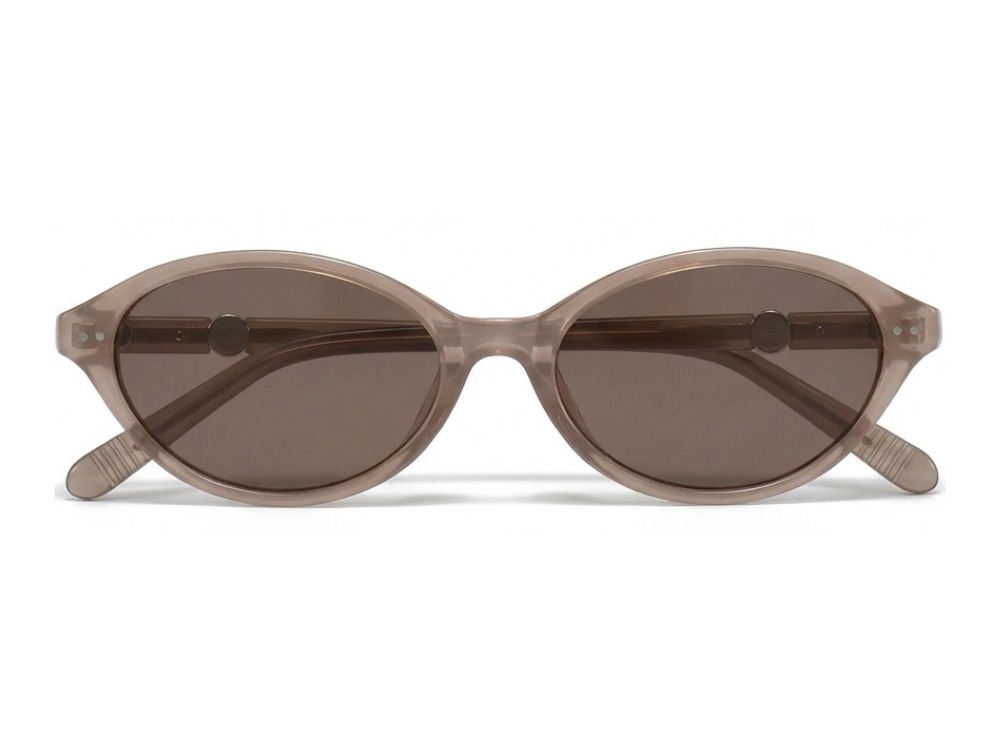
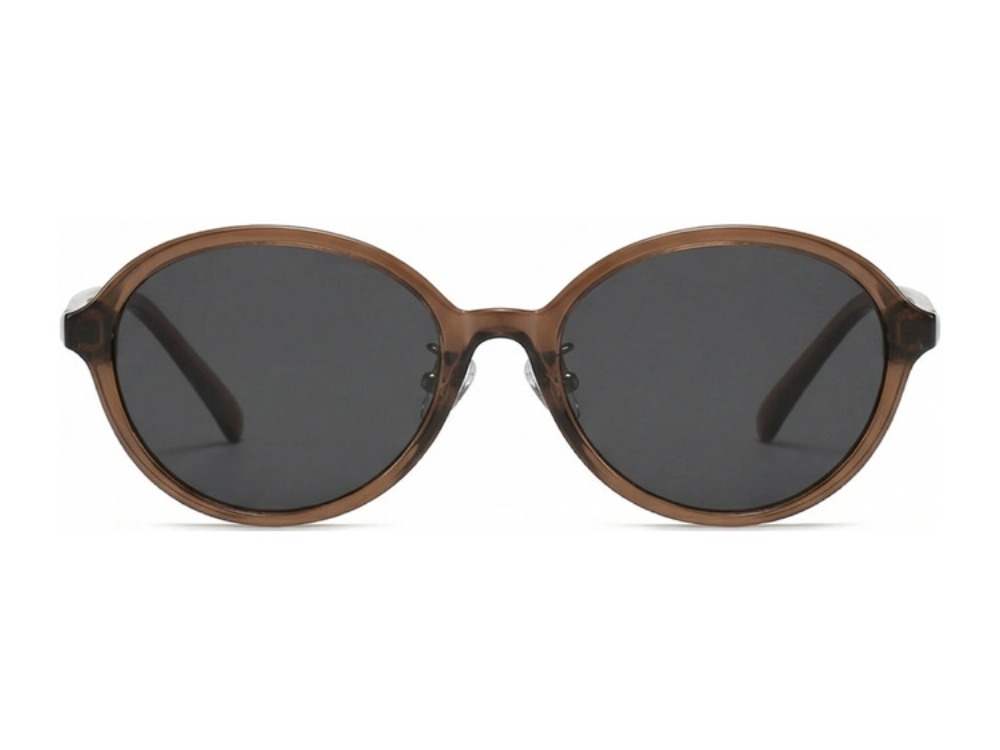
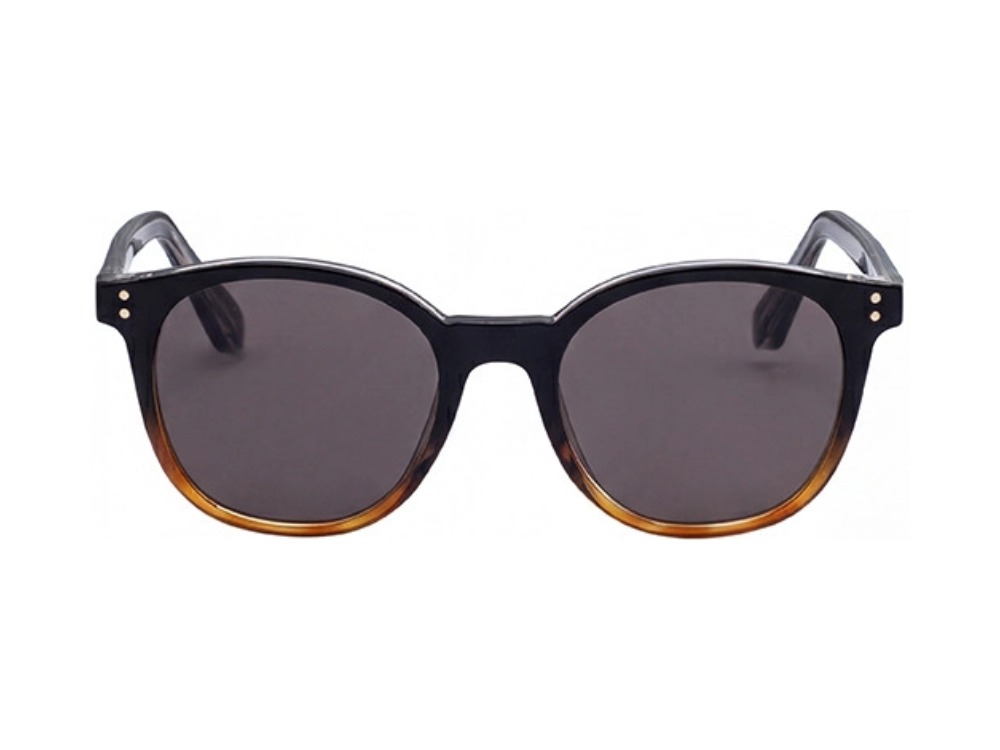
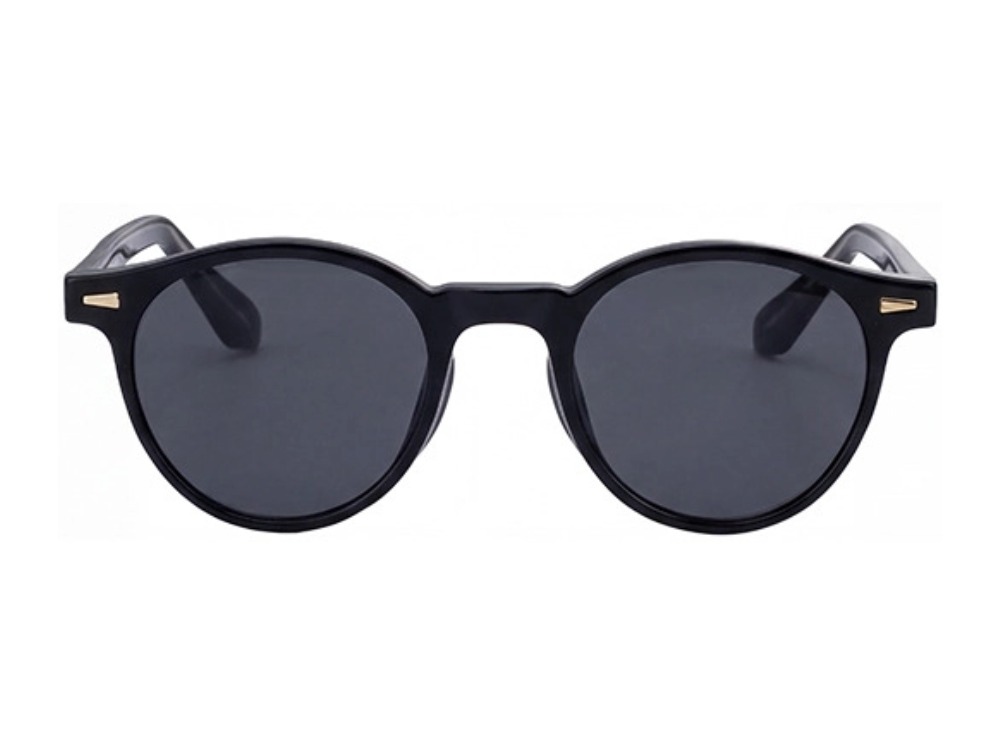
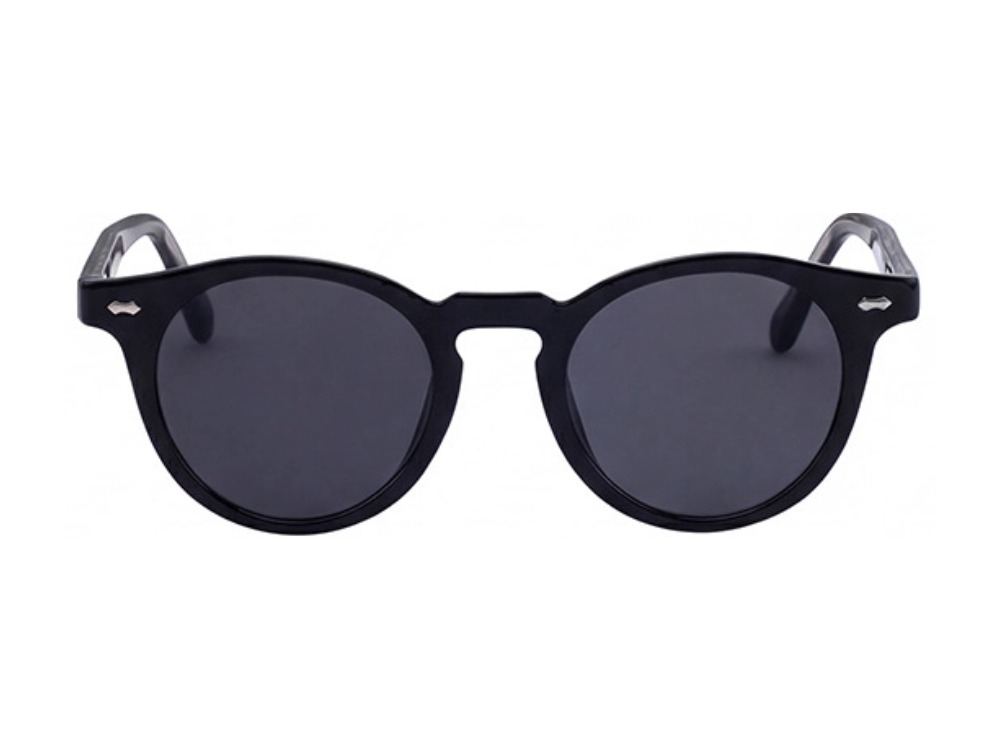
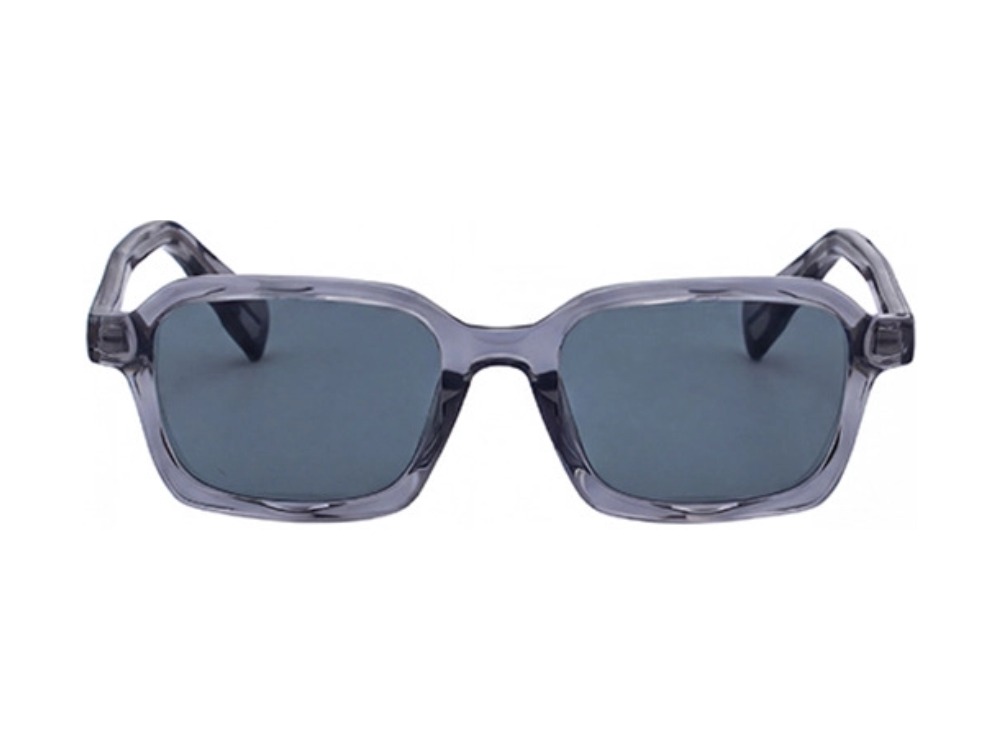
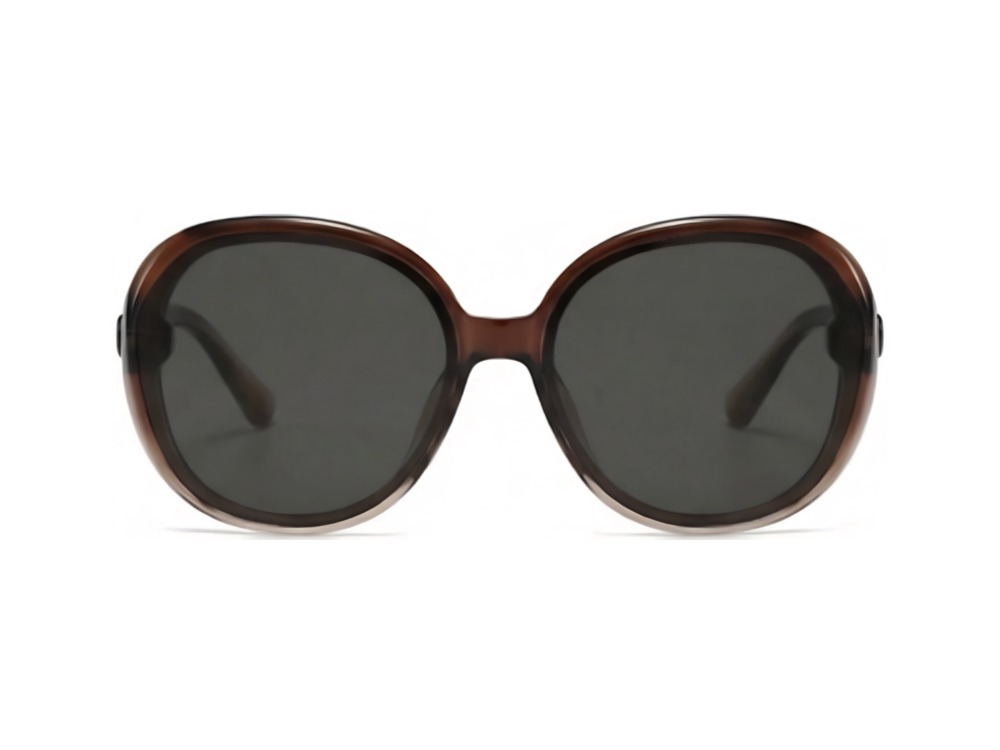
Polarized lenses are sunglass lenses with an embedded chemical film that acts as a microscopic “venetian blind.” The filter blocks horizontally oriented light waves (the source of glare) and only admits vertically oriented waves, which provide useful visual information.
How do polarized lenses work?
Normal sunlight scatters in all directions. When light hits a flat, non-metallic surface (asphalt, water, snow, a car hood), it becomes horizontally polarized – meaning the waves align side‑to‑side. This alignment creates intense glare.
A polarized lens contains a vertical filter that absorbs these horizontal waves while letting vertical waves pass through. The result: glare disappears, while overall brightness is only slightly reduced.
Polarized vs Non‑Polarized Lenses
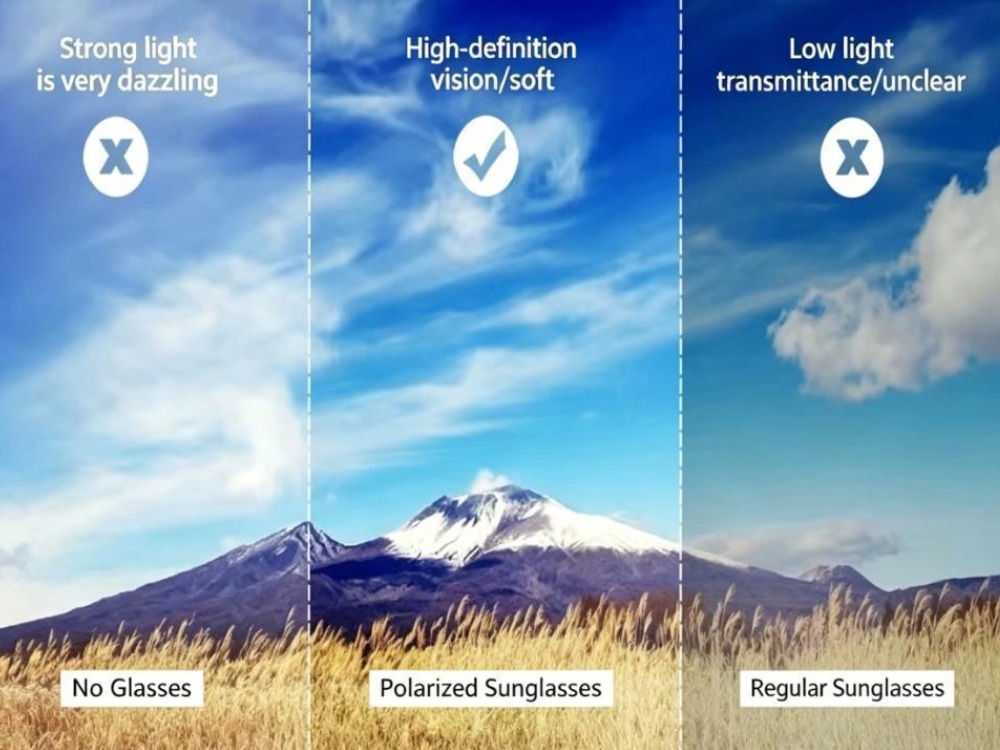
To understand the difference, imagine looking at a lake:
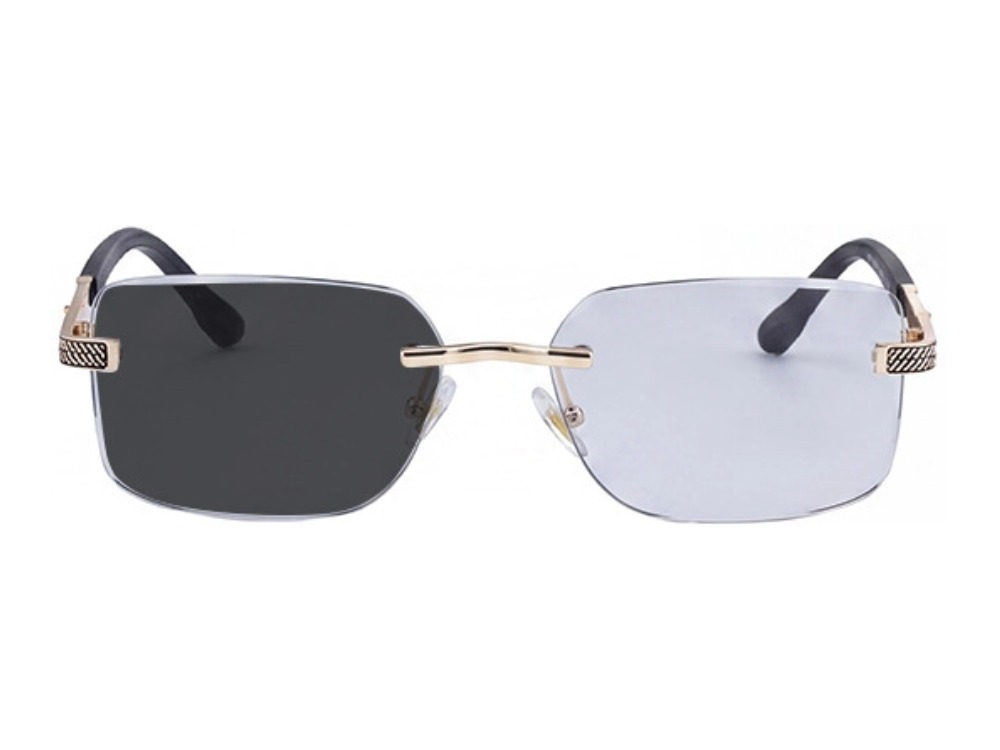
With a non‑polarized lens – You see a bright, hazy sheet of reflected sunlight. The water surface looks white and shiny. You cannot see below the surface.
With a polarized lens – The reflection disappears. You see through the water – rocks, fish, and depth become visible. Colors are more saturated, and details are razor‑sharp.
The same applies to road glare, snow fields, and even store windows.
Key benefits of polarized lenses
- Eliminates up to 99% of reflected glare – The primary reason people choose them.
- Reduces eye strain and fatigue – Your eyes don’t have to constantly squint or adjust.
- Improves contrast and depth perception – Objects stand out clearly, which is critical for driving and sports.
- Provides 100% UV protection – Quality polarized lenses always include UV400 blocking.
- Safer driving – Wet road glare and dashboard reflections no longer blind you.
Who should use polarized lenses?
✅ Ideal for:
- Drivers (especially daytime or long‑distance)
- Fishermen, boaters, and anyone on the water
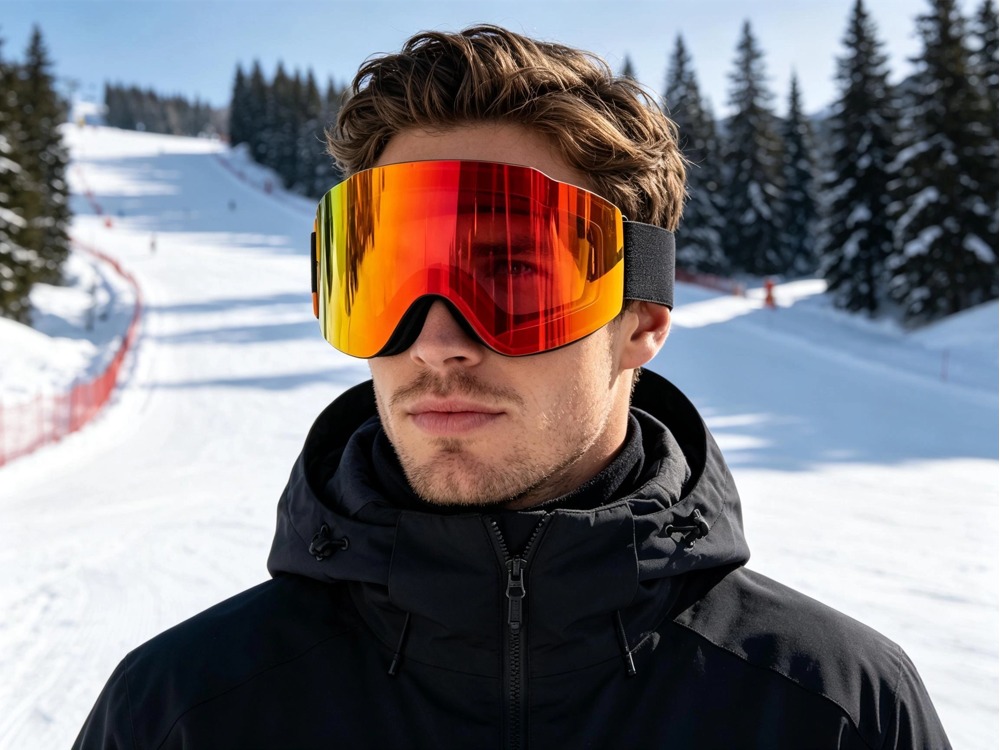
- Snow sports (skiing, snowboarding) – prevents snow blindness
- Beachgoers and poolside loungers
- Outdoor workers (construction, landscaping)
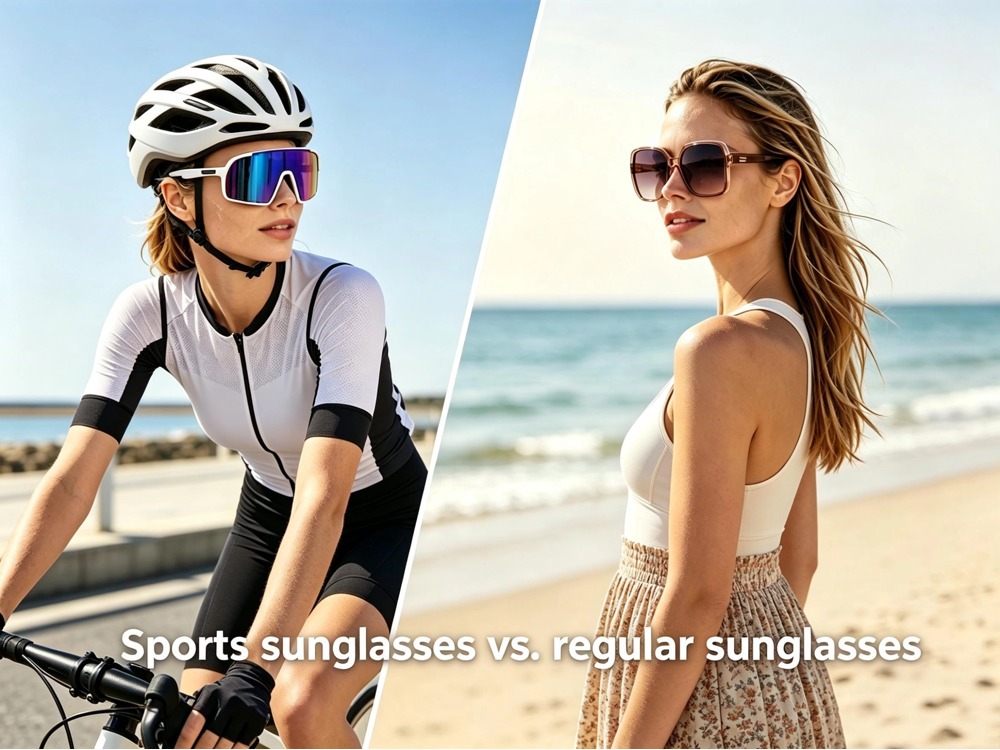
- Cyclists and runners on bright days
❌ Not recommended for:
- Night driving (lenses are too dark)
- Pilots reading LCD instrument panels (some polarization creates rainbow effects)
- People who constantly check phones or GPS devices (screen may appear dim or distorted – though newer lenses are better)
Polarized lenses are one of the most practical upgrades you can make to your everyday sunglasses. They don't just make the world look better – they reduce actual physical eye strain and make outdoor activities safer.