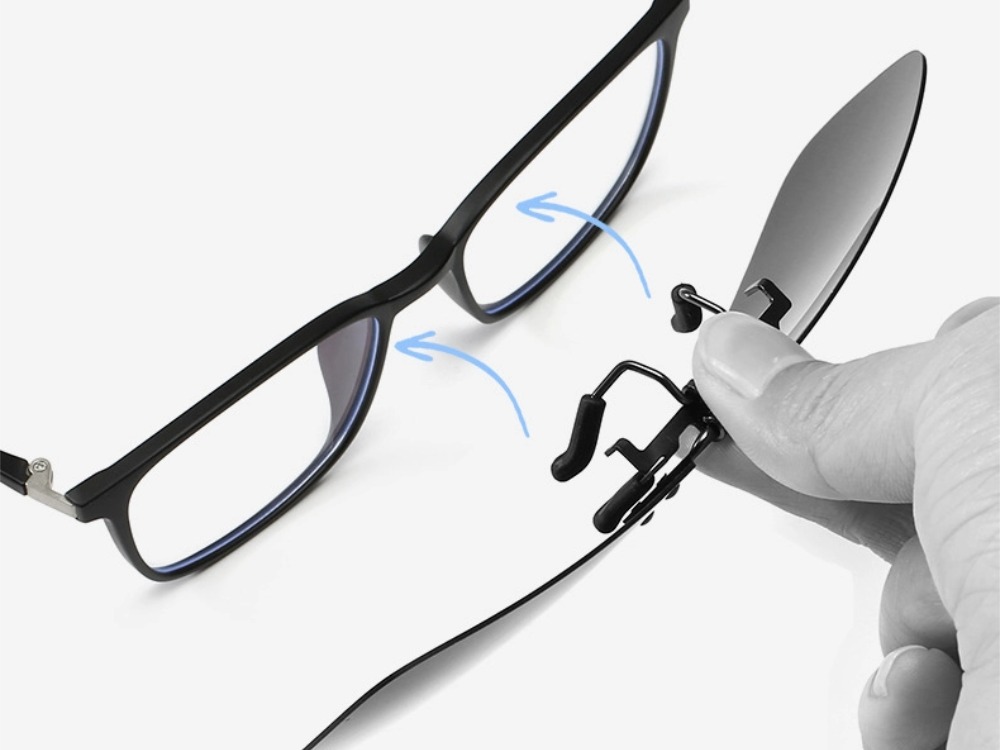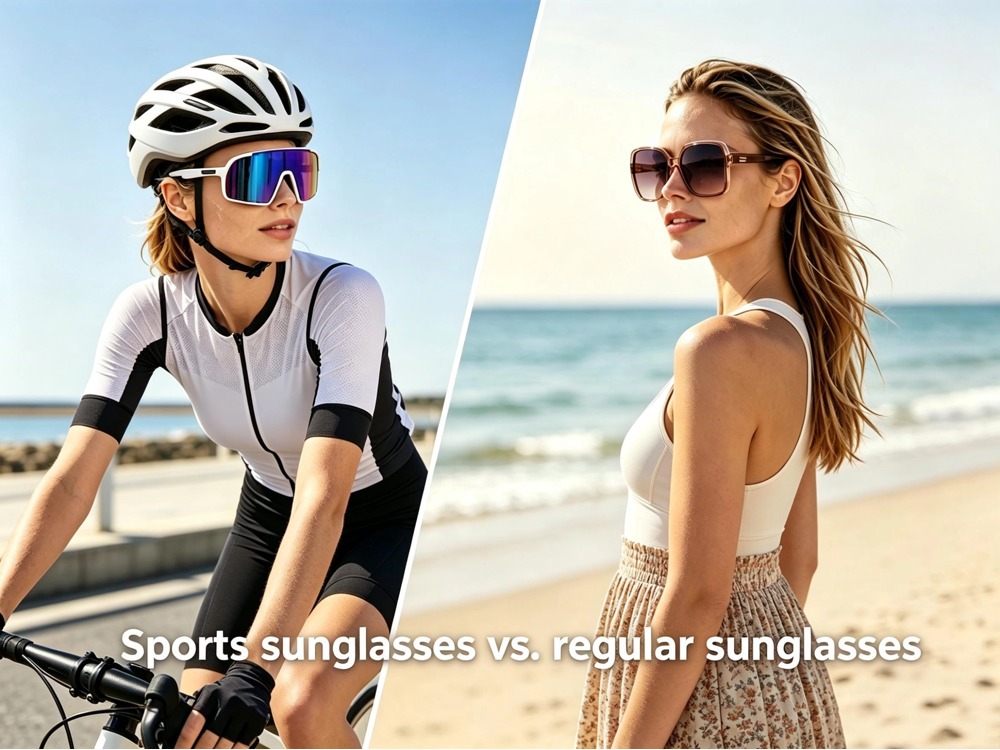
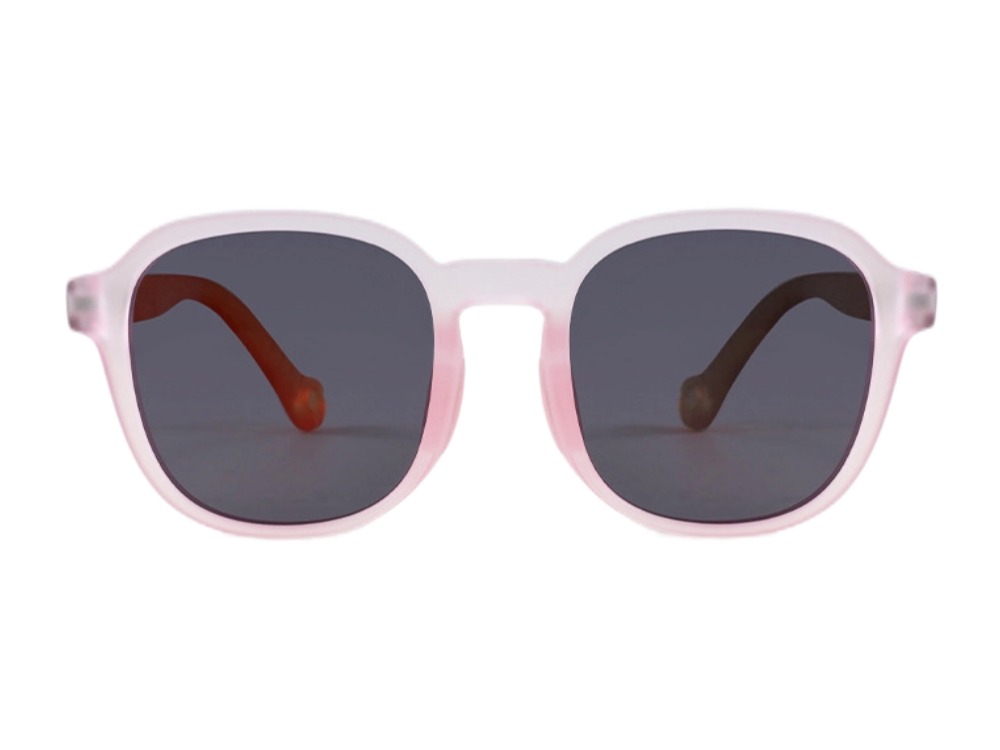
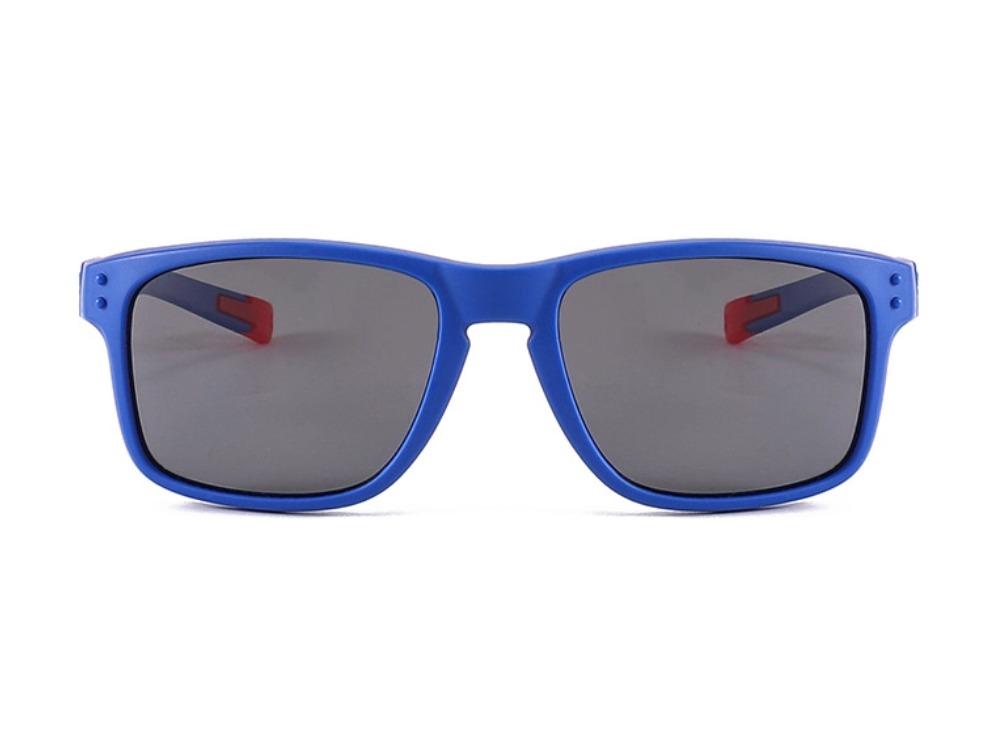
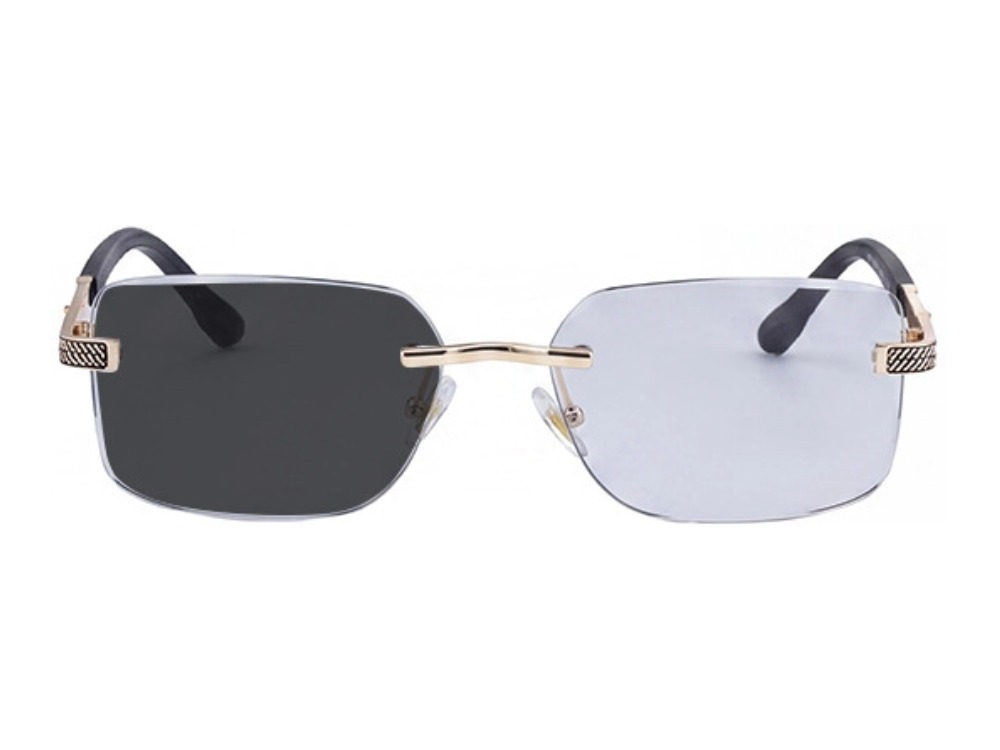
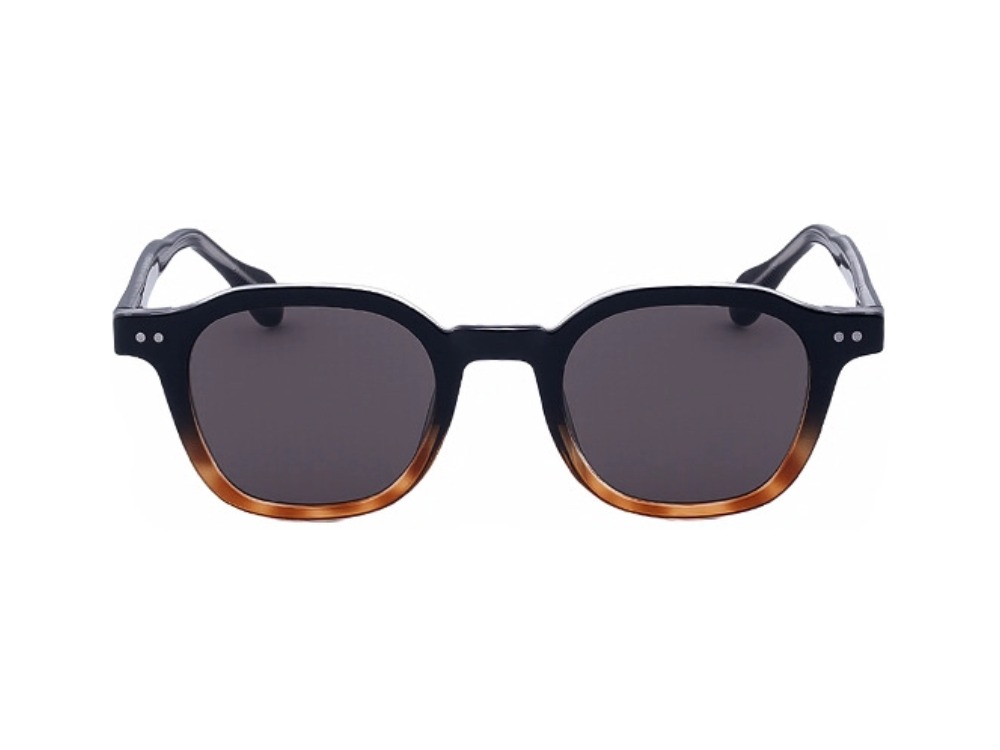
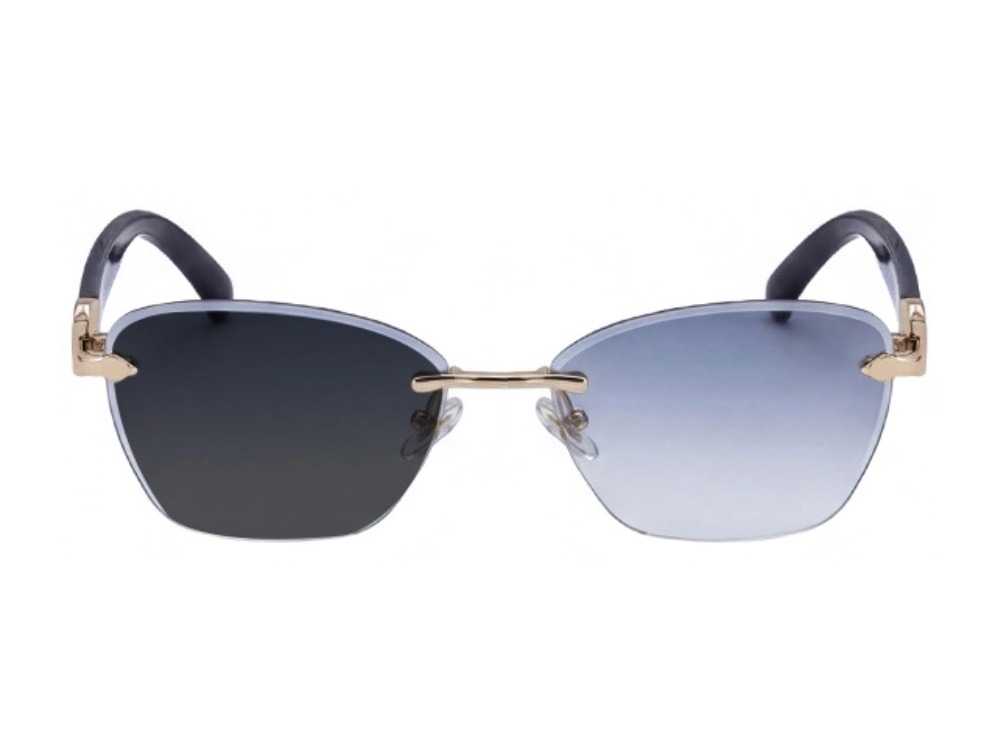
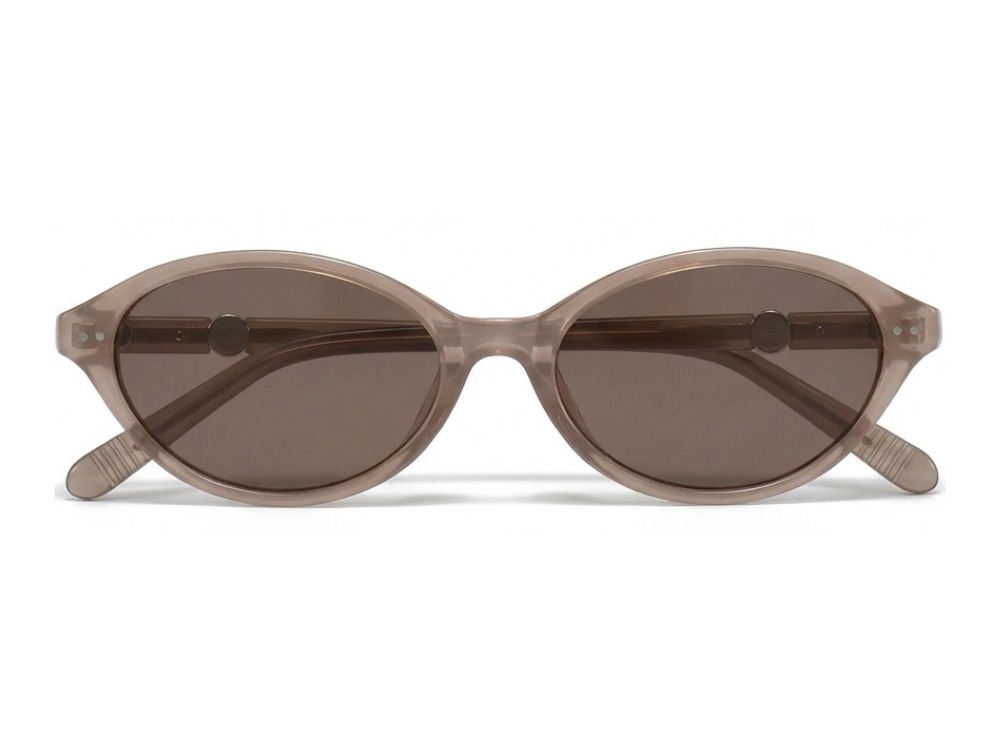
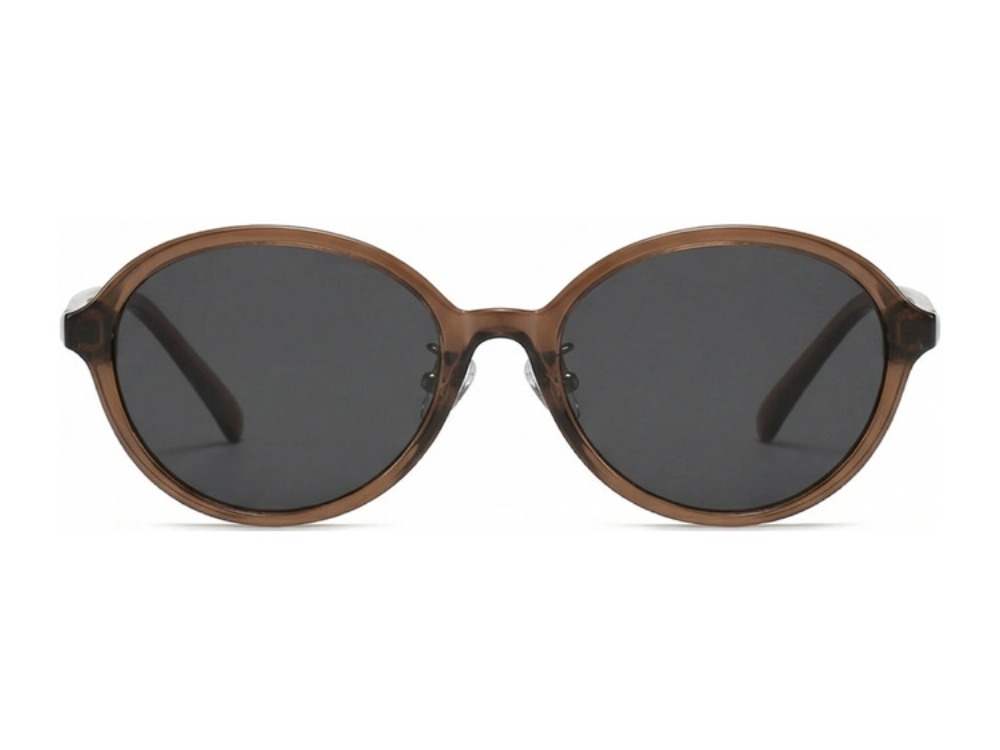
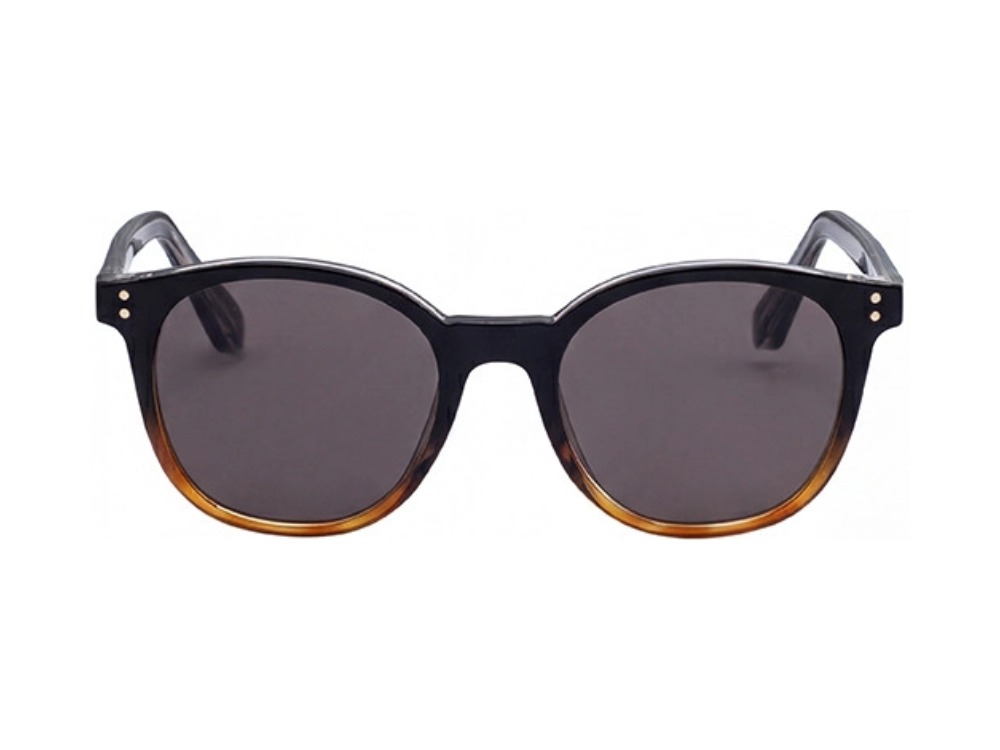
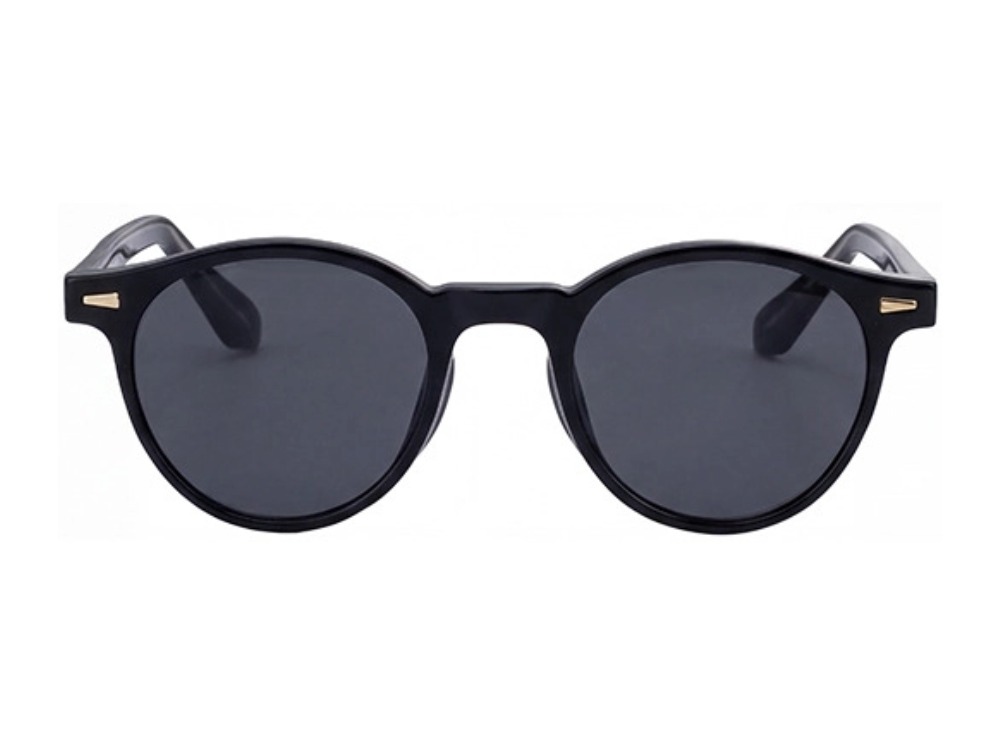
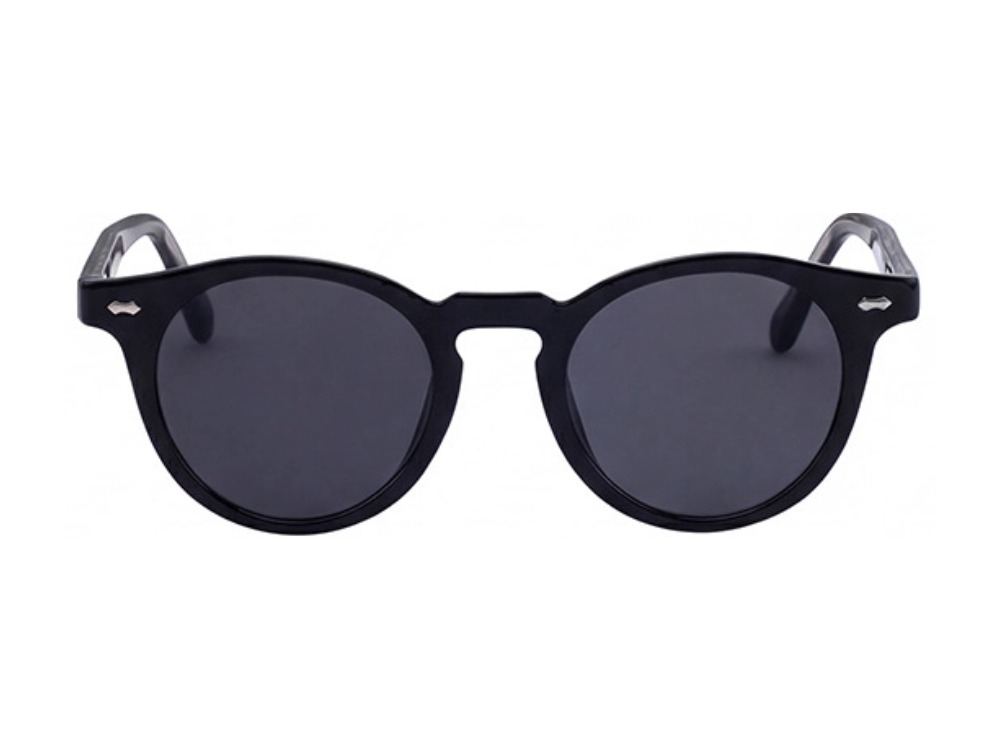
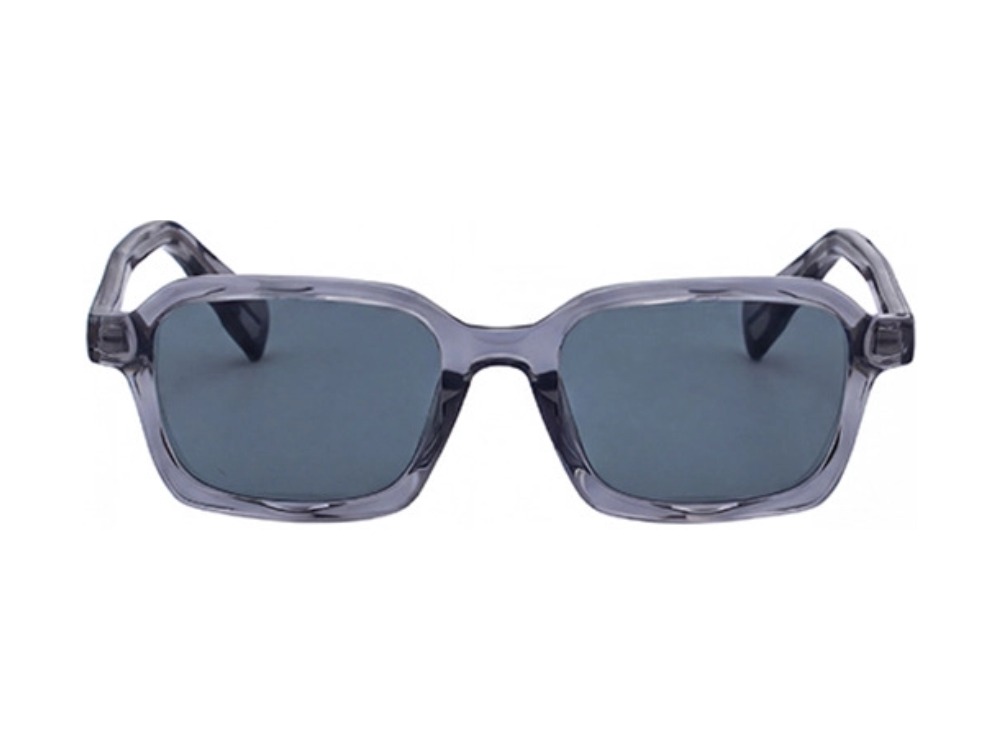
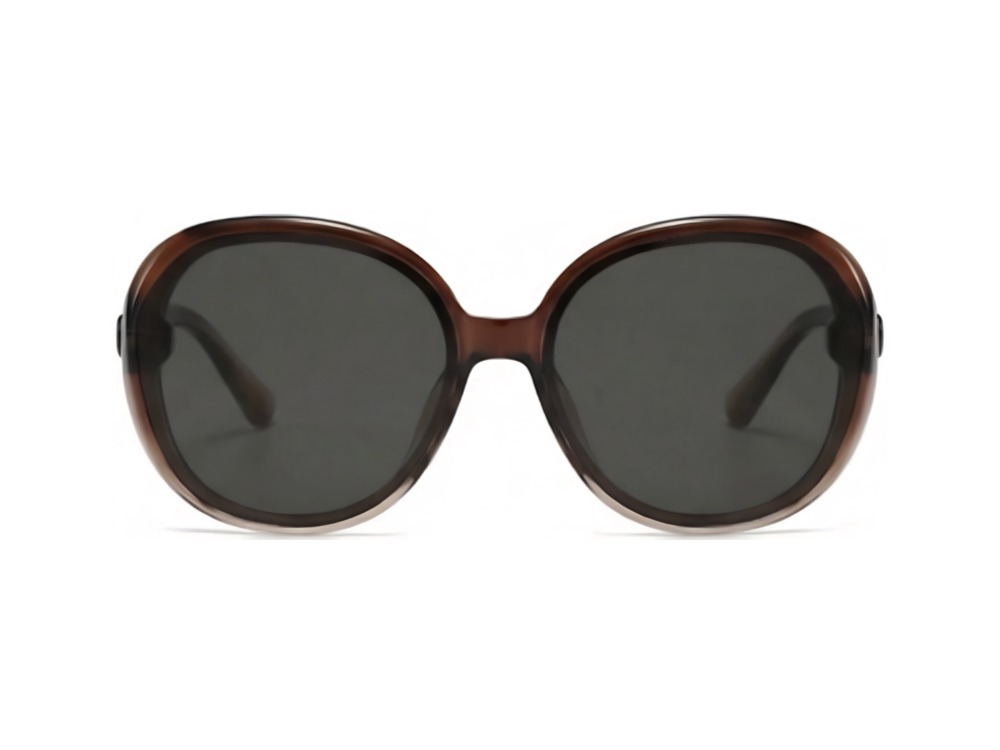
Blue light is a high-energy visible light emitted by the sun and digital screens like phones, computers, and tablets. While it’s not all harmful, prolonged screen exposure - especially at night - can cause digital eye strain and disrupt sleep.
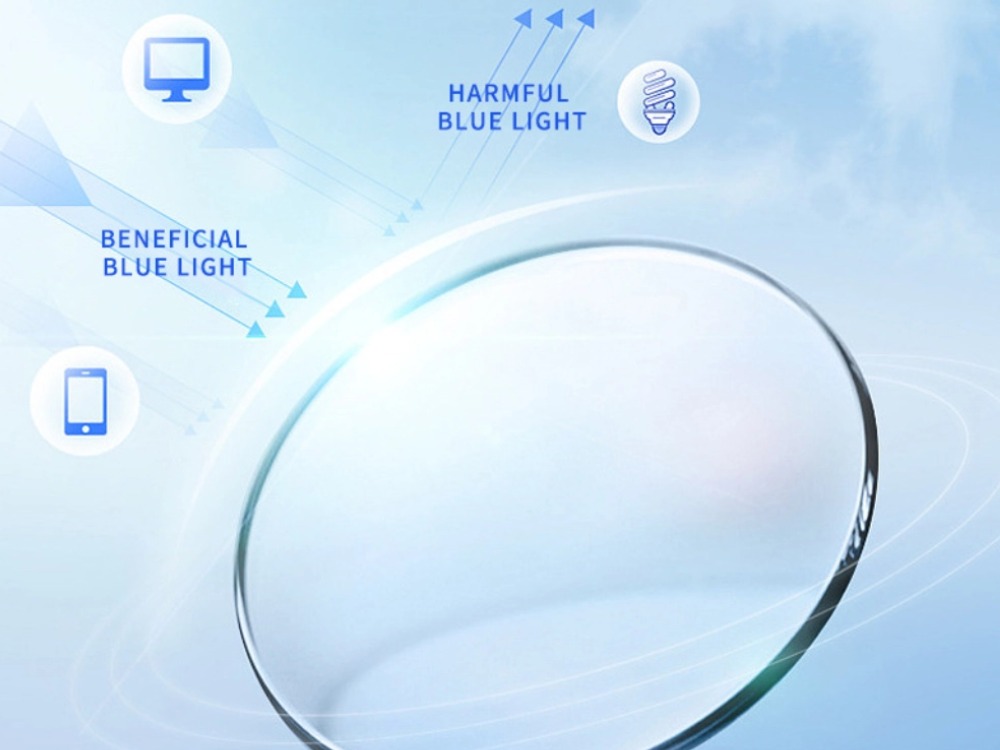
How the Lenses Block It
The lenses filter out a portion of blue light before it reaches your eyes, typically through two methods:
- Absorption: This is the most common method. The lens material itself contains compounds that absorb blue light. You may notice a yellow or amber shimmer. This keeps colors more natural.
- Reflection: A special coating on the lens surface reflects blue light away. You may notice a subtle blue or purple shimmer — that’s the protection at work.
Many premium lenses combine both for broader filtering.
What About the Yellow Tint?
Lenses with a warm yellow or amber tint block a higher percentage of blue light, often preferred for evening use. These types of lenses are also called night-vision lenses. Clear or nearly clear lenses are designed for all-day wear - they filter the most harmful blue-violet wavelengths while maintaining a natural look.
Do They Help?
Yes. By reducing blue light intake, these lenses can:
- Ease visual discomfort during long screen sessions.
- Support healthier sleep rhythms when worn in the evening.
- Offer a more relaxed viewing experience under artificial lighting.
They don’t block all blue light — some is needed for color vision and daytime alertness. The goal is balanced filtration, not total removal.
Choosing Your Pair
For all-day computer work, clear, lightly filtering lenses are ideal. For nighttime scrolling, a warmer tint works best.
All prescription eyeglasses at OptiOut are available to add a blue light blocking feature. Check it out now.